English
  Magyar
Rózsakő

Where its grown

What its wine tastes like

Wine & food pairing

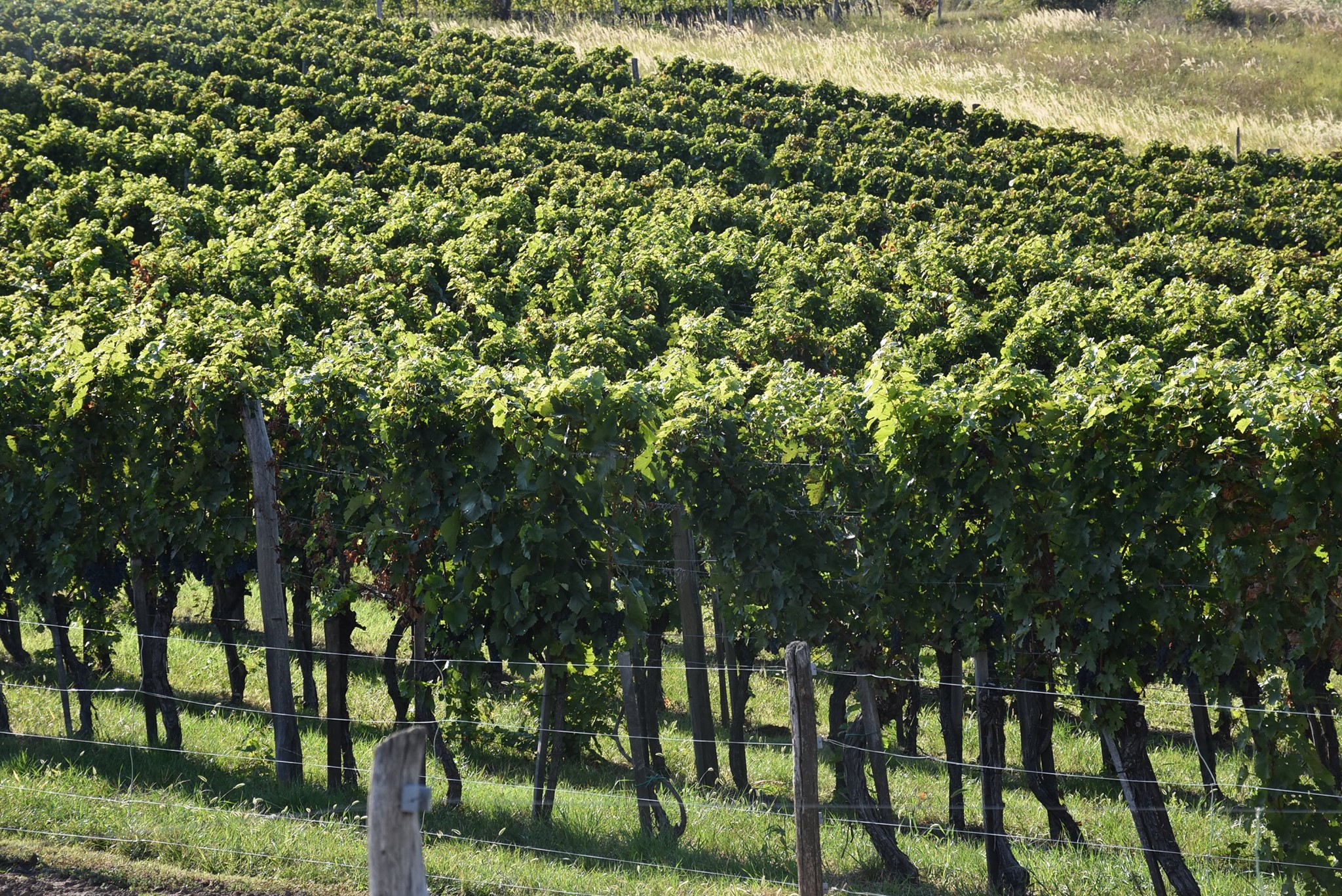
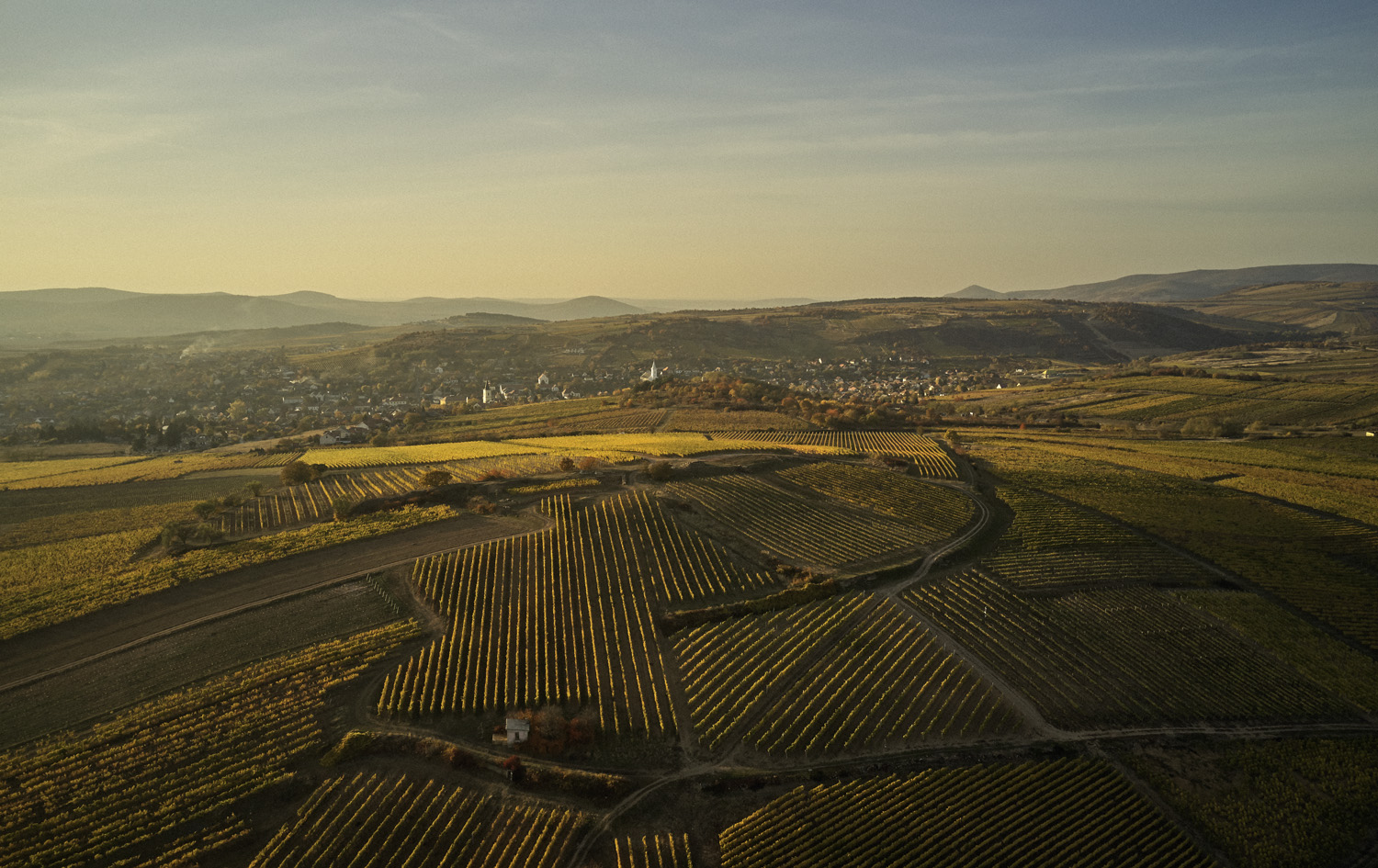
The variety is only found in the Balaton wine region, where it is cultivated on 15 hectares in Badacsony as well as on 3 hectares in the Balaton Highlands wine district.
Its historical relevance is closely connected to the Badacsony wine district, where it can now be found on its own as a monovarietal wine too. It is similar in style to Kéknyelű and likewise thrives on volcanic soil. Some producers balance its high acidity with a little residual sugar, resulting in an off-dry style, while the variety itself is also a good sugar pump.
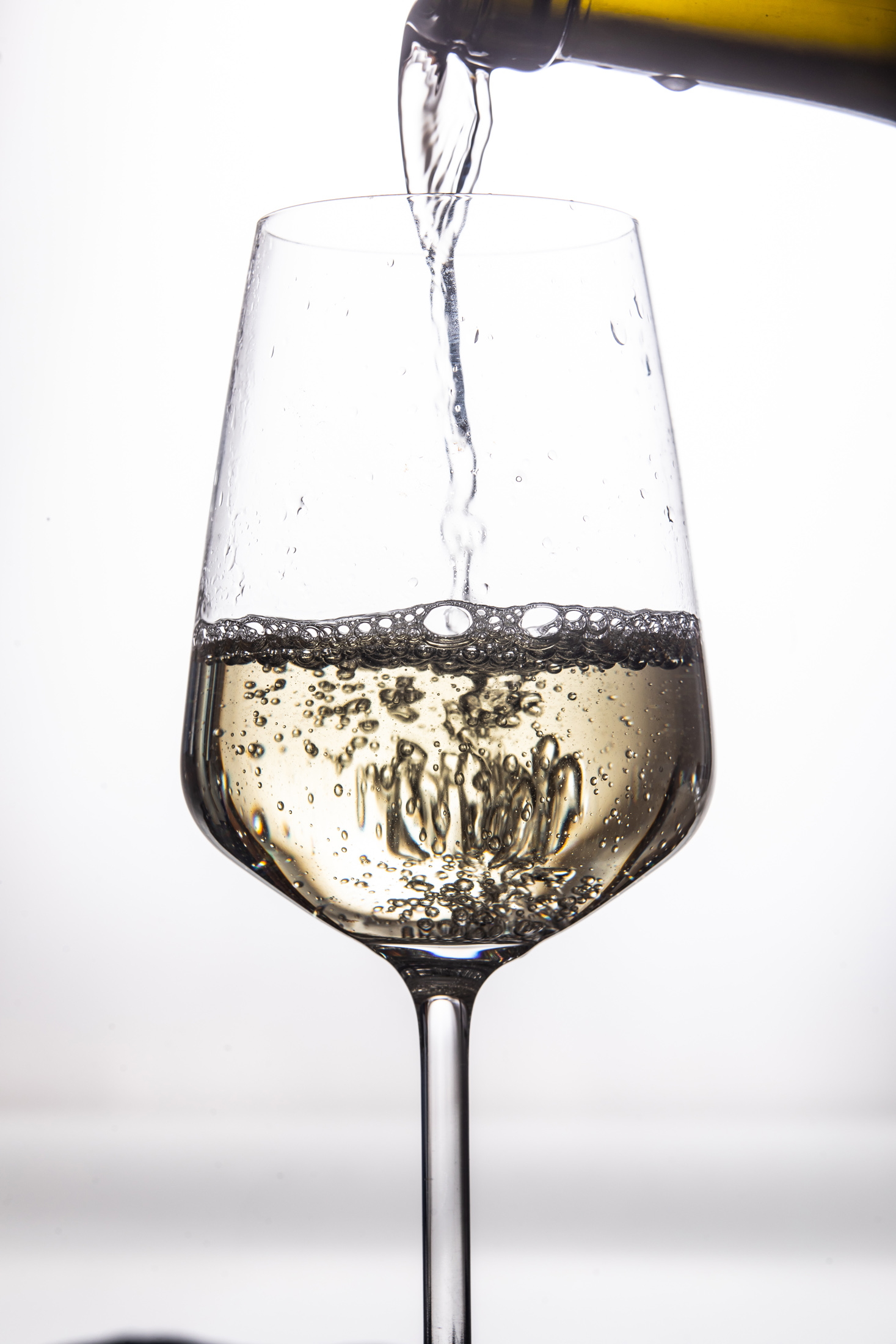
When young, the wine is pale straw-yellow in colour with restrained, somewhat neutral citrus fruit, stone and mineral aromas, rather reflecting the characteristics of the terroir instead. It is usually produced in a dry or off-dry style and is characterised by moderate alcohol, medium body and high acidity. Wines are dominated by delicate floral notes, apricot blossom, green apple and citrus aromas, and may also have a creamy, stony character. This Badacsony variety is characterised by high acidity, good sugar levels and delicate aromas.
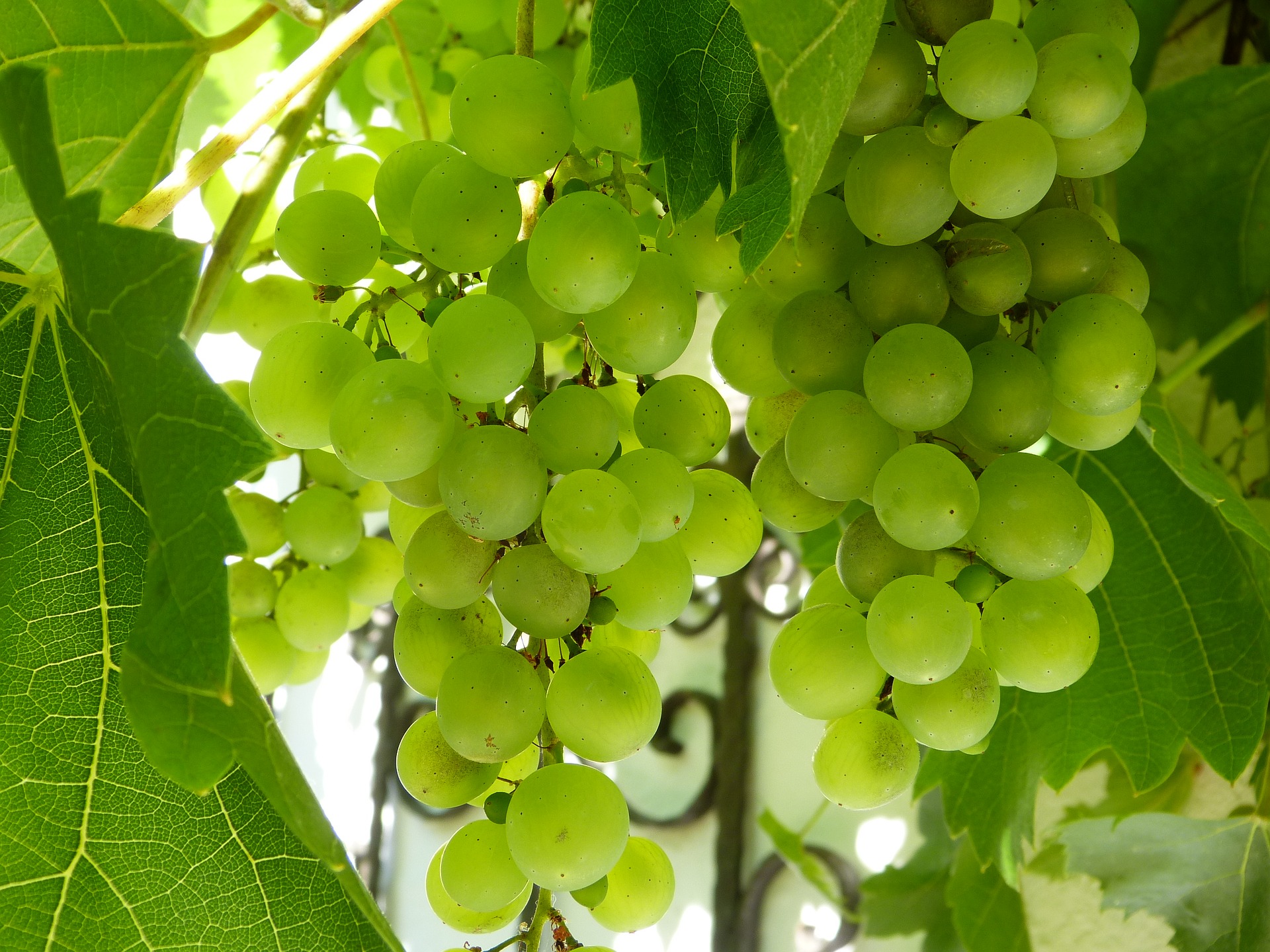
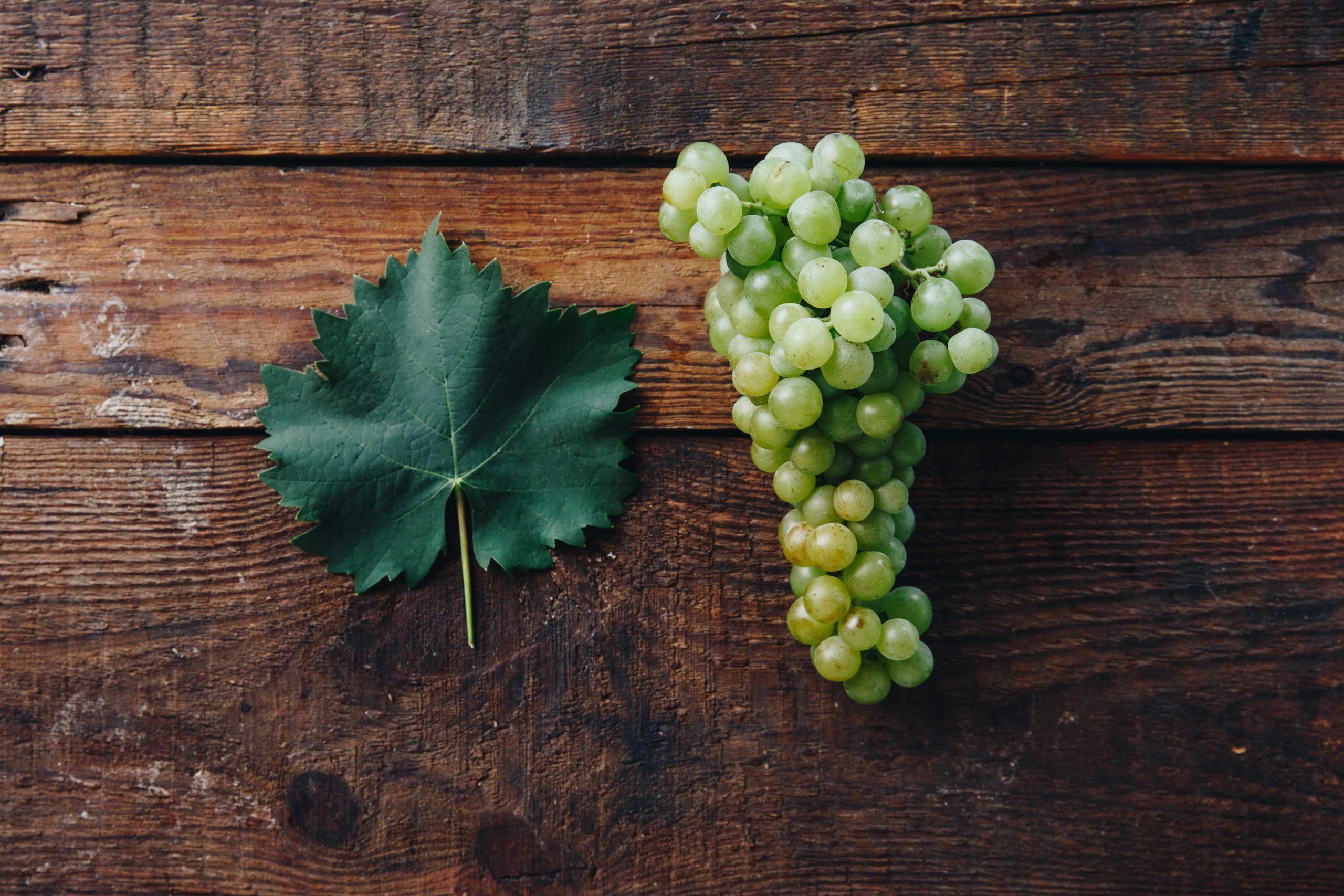
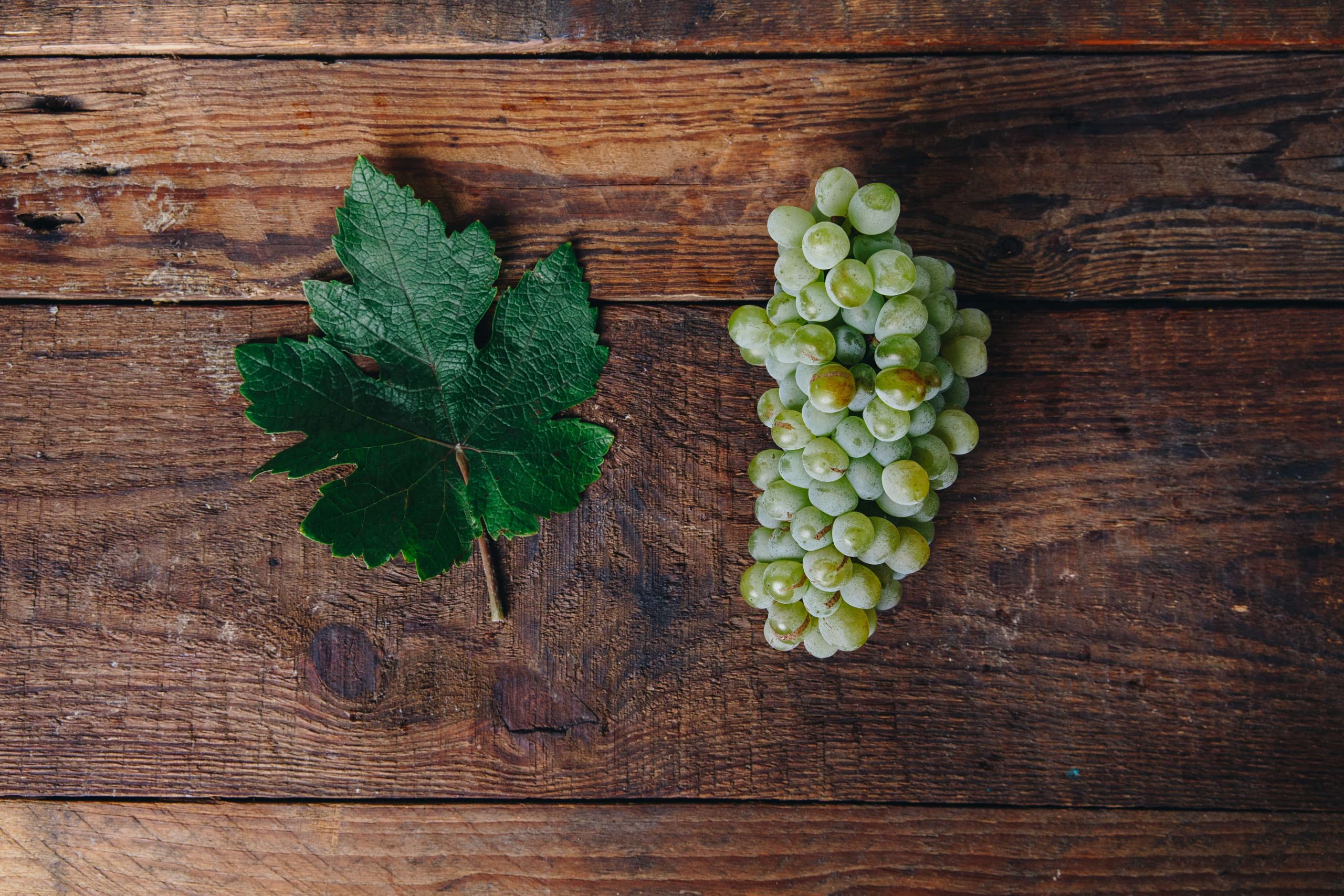
Rózsakő grape bunch and leaf
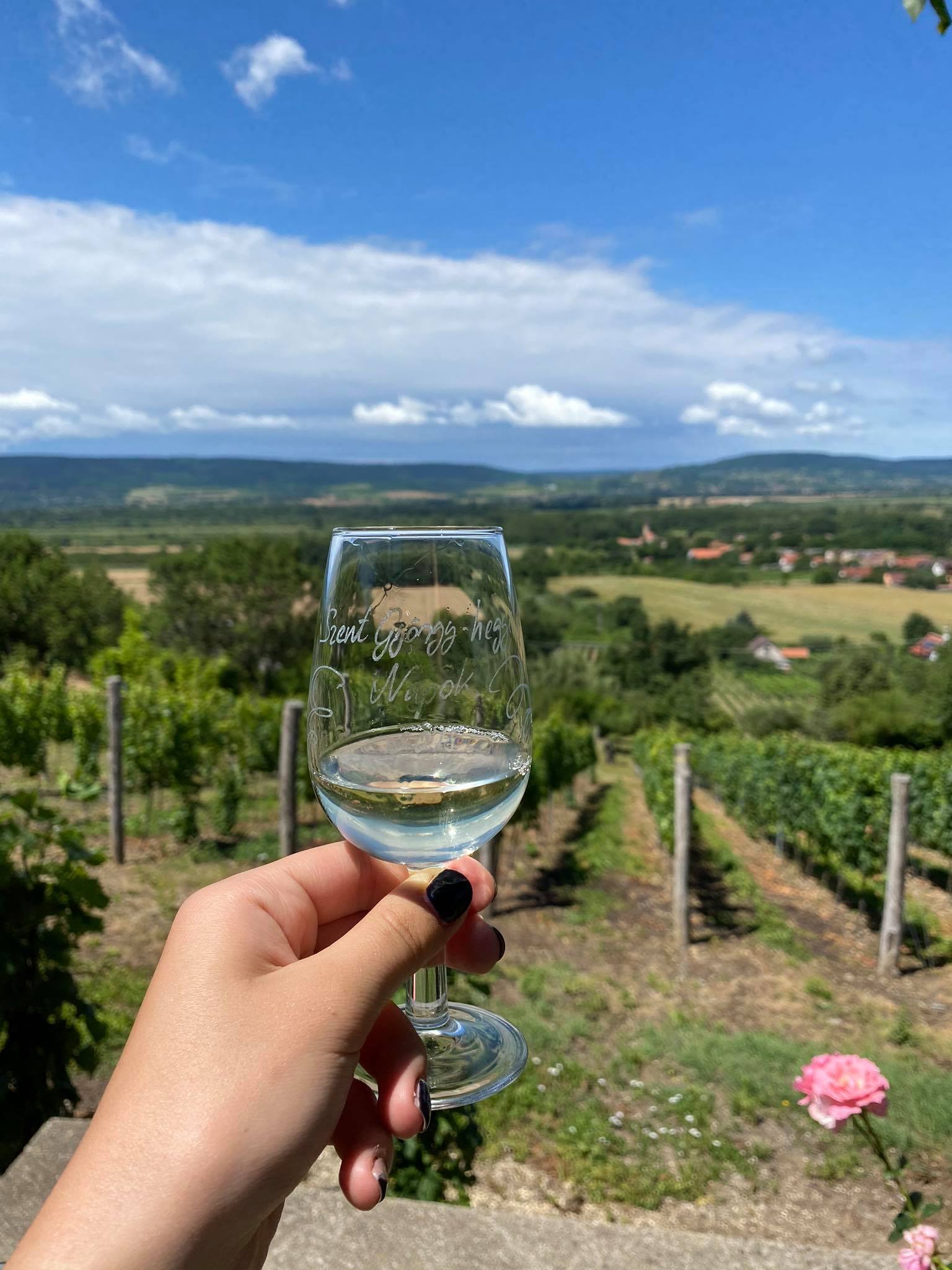
Rózsakő is a very rare variety, which is only grown on 18 hectares in Hungary, thus hardly ever encountered. It is a wine with mineral notes, restrained aromatics and refreshing acidity. Its notes of citrus and stone make it a perfect food wine, with dry styles complementing salads, vegetable dishes, stewed vegetables, full-fat cheeses and creamy meat dishes. Styles with a little residual sugar also work well with fruit salads and Asian noodle dishes. It is best consumed when youthful and fresh, preferably from the latest vintage. Store in a cool place, away from direct sunlight and heat, to best preserve its aromatics. Serve chilled straight from the fridge at about 8-10°C in a tulip-shaped white wine glass.
Ingredients that best match the flavour and texture of wines made from Rózsakő include lettuce, cauliflower, fennel, legumes, citrus fruit, apricots, apples, pears, young, light goat and cow’s cheeses, fresh herbs, poultry, white fish and light pork dishes. For example, a crisp green salad with citrus dressing and grilled gomolya cheese, a vitamin-packed spring salad or baked pikeperch with roast vegetables would make delicious pairings.