
 English
  Magyar
Badacsonyi Wine district

History | Natural Geography

Vineyards | Origin Protection

History
The Romans had already discovered the region’s excellent climate, so large settlements were established during the rule of Emperor Probus along the Roman Road at the foot of the hill on the south-facing volcanic slopes overlooking Lake Balaton. Oenological continuity was presumably interrupted between their departure in the 390s and the arrival of the Hungarians 500 years later, but Badacsony wine was revived on royal estates and in monasteries in the 11th century. In the 13th century, most of the vineyards in the wine region were owned by the church, while other parts were owned by the Atyusz clan.
The wine region reached one of its local peaks during the reign of Matthias, the great king of Hungary, but after his death, the regulations affecting the rights of landowners changed, and grape cultivation in the region began to decrease. Although the Turkish conquest did not reach the region, and Szigliget Castle remained in Hungarian hands throughout, wine culture declined.
In the 18th century, the wine region gained the status and enormous prestige that still influence it today. New vineyards and new technologies arrived, and by the mid-18th century, Badacsony wine was considered the best Hungarian wine. Running a winery in Badacsony was considered very prestigious at the time, partly because grapes occasionally botrytised.
During this period, the range of varieties also began to take shape. It has been proven that the Kéknyelű variety was already established by this time, but the main variety was still Furmint, and it was not until the 19th century that Olaszrizling began to gain ground.
The appearance of phylloxera at the end of the 19th century was a significant setback for Badacsony, but at the same time, the wine region – when replanting – chose to proceed by building retaining walls up to 4-5 metres high in certain places to combat erosion, which was otherwise causing serious problems. The 1936 wine law reorganised the wine region under the name Badacsony-Balatonfüred-Csopak, which also includes the villages in the Kál Basin. The latter situation ceased to exist with the amendment of 1941. The cult of beachgoing took off at the beginning of the 20th century, which, with the arrival of socialism, turned into mass tourism catering to modest needs, state-run mass wine production, and the servicing of similarly low requirements on the lakeshore. This situation remained virtually unchanged until the regime change.
The wine district has undergone an interesting transformation since the fall of communism. The loss of socialist markets in both wine and tourism in the first dozen years brought further erosion, with only a few diehards keeping the flag flying. The recovery happened gradually, in very small steps, and this is related to the overall development of Lake Balaton. Nowadays, there are dozens of commercial wineries operating in the wine district, including old and new faces, those that have remained small and those that have grown large, and those that have also strengthened their position in the tourism and hospitality sector. The wine quality has also risen to unprecedented heights, and there is still no end in sight…
Natural Geography
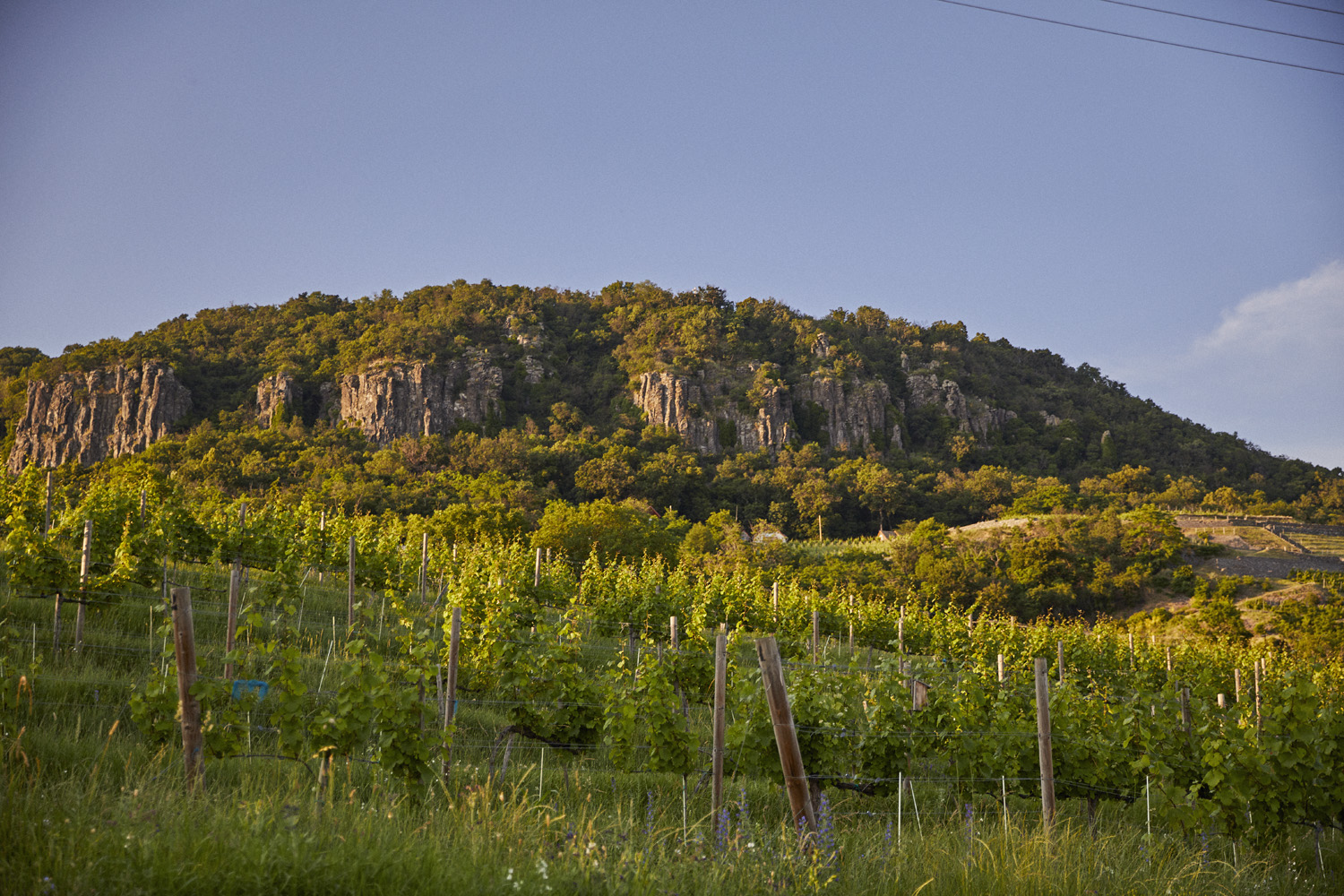
By the beginning of the 21st century, the wine district had become almost entirely white wine-producing, mainly due to the soil conditions, as the wine district is located on the slopes of former volcanoes stretching along the shores of Lake Balaton (Badacsony, Csobánc, Szent György-hegy, Gulács, Tóti- and Sabar-hegy, Őrsi-hegy and the Szigliget Hills). These represent the common feature of the wine district’s geological composition, as basalt is its dominant bedrock. Over thousands of years, fine-grained layers from the Pannonian Sea have been deposited on top of this, which can today be classified as sand and clay-sized grains. The brown forest soils of the Badacsony vineyards then formed on this.
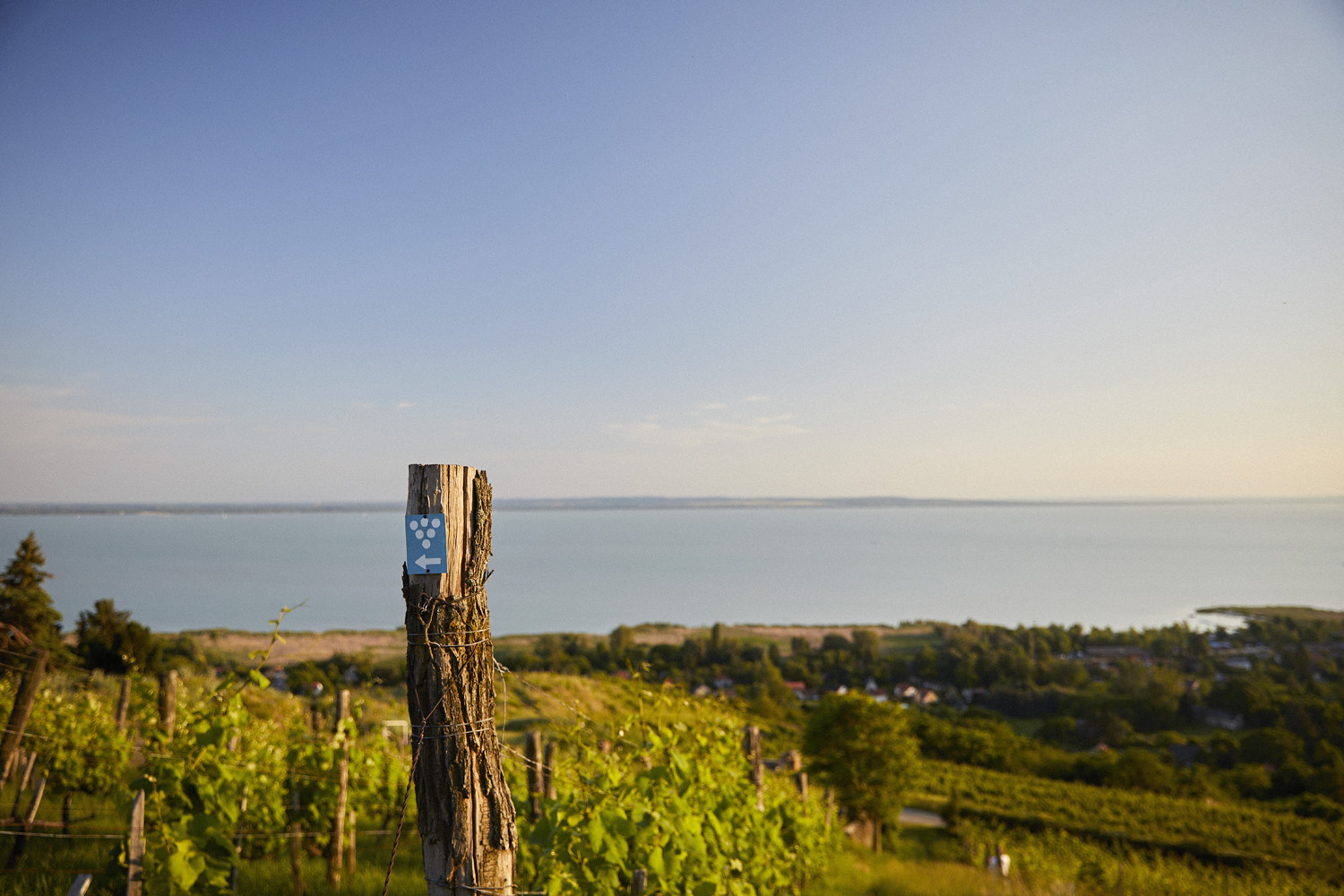
The vineyards of the Badacsony wine district are protected from the north by the Bakony Hills, while from the south, the temperate Lake Balaton lends the area a sub-Mediterranean character. Extreme weather conditions are uncommon. Average precipitation is 600-700 mm, while the average annual temperature is above 11°C and the average number of sunshine hours is now 2,000 hours per year. The wine district’s climate is unique in that the hills and forested areas cool the air, and the significant diurnal range is ideal for ripening grapes. However, one disadvantage is that the vineyard areas close to the lake can be problematic from a plant protection perspective.
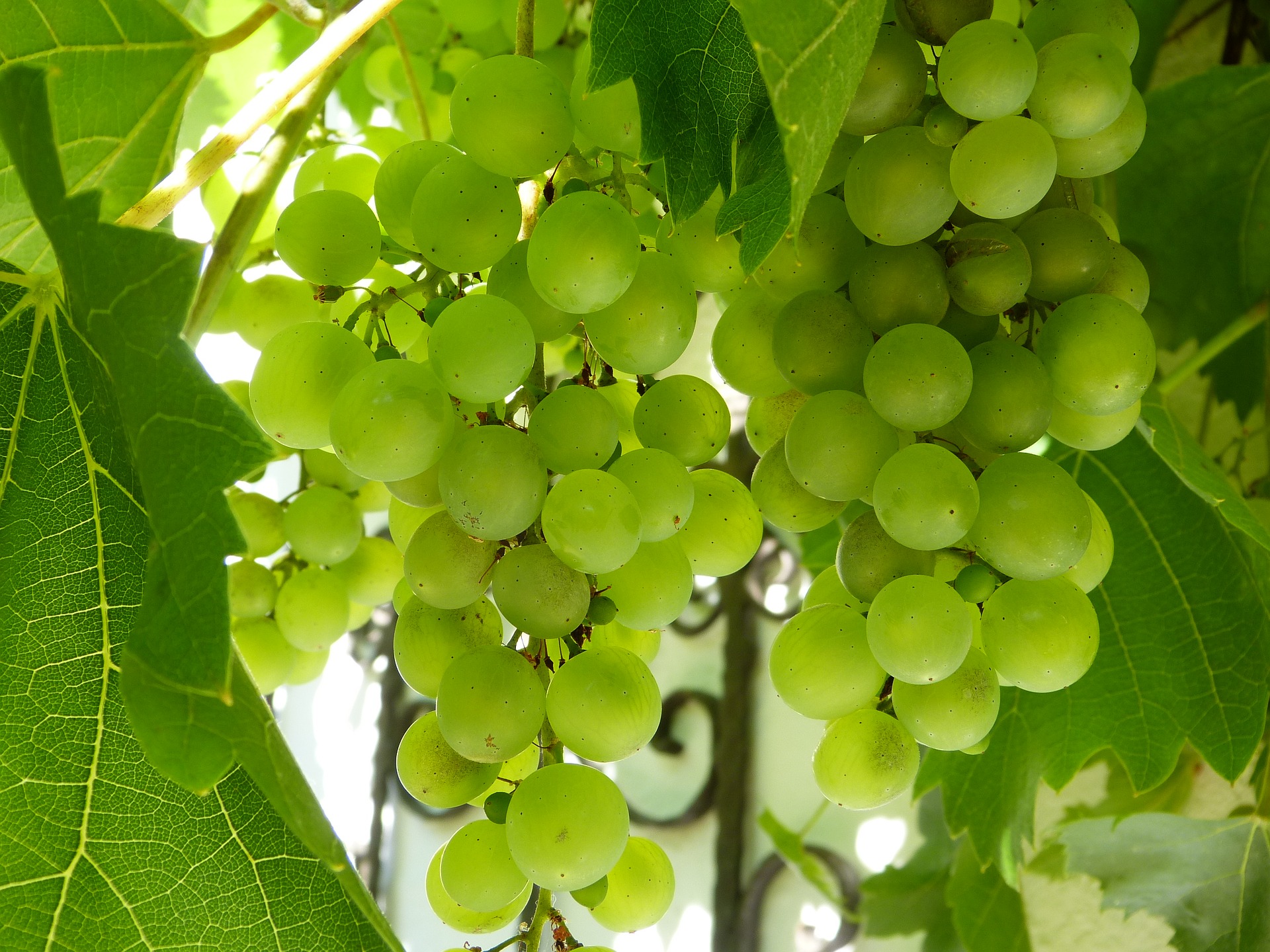
Many grape varieties are permitted in the wine district, but traditionally there are three leading varieties: Olaszrizling, Szürkebarát (Pinot Gris) and Kéknyelű.
Vineyards
It is interesting and contradictory that in one of Hungary’s most distinctive wine-growing regions, no vineyards have been designated, only “hills” are listed as smaller production units. This is because the wine district is defined more by geologically homogeneous hills than by vineyards. These hills are presented below, but it should be noted that production locations not associated with hills can only be identified by the name of the settlement. There are obviously many valuable terroirs among these, but they will not be listed here.
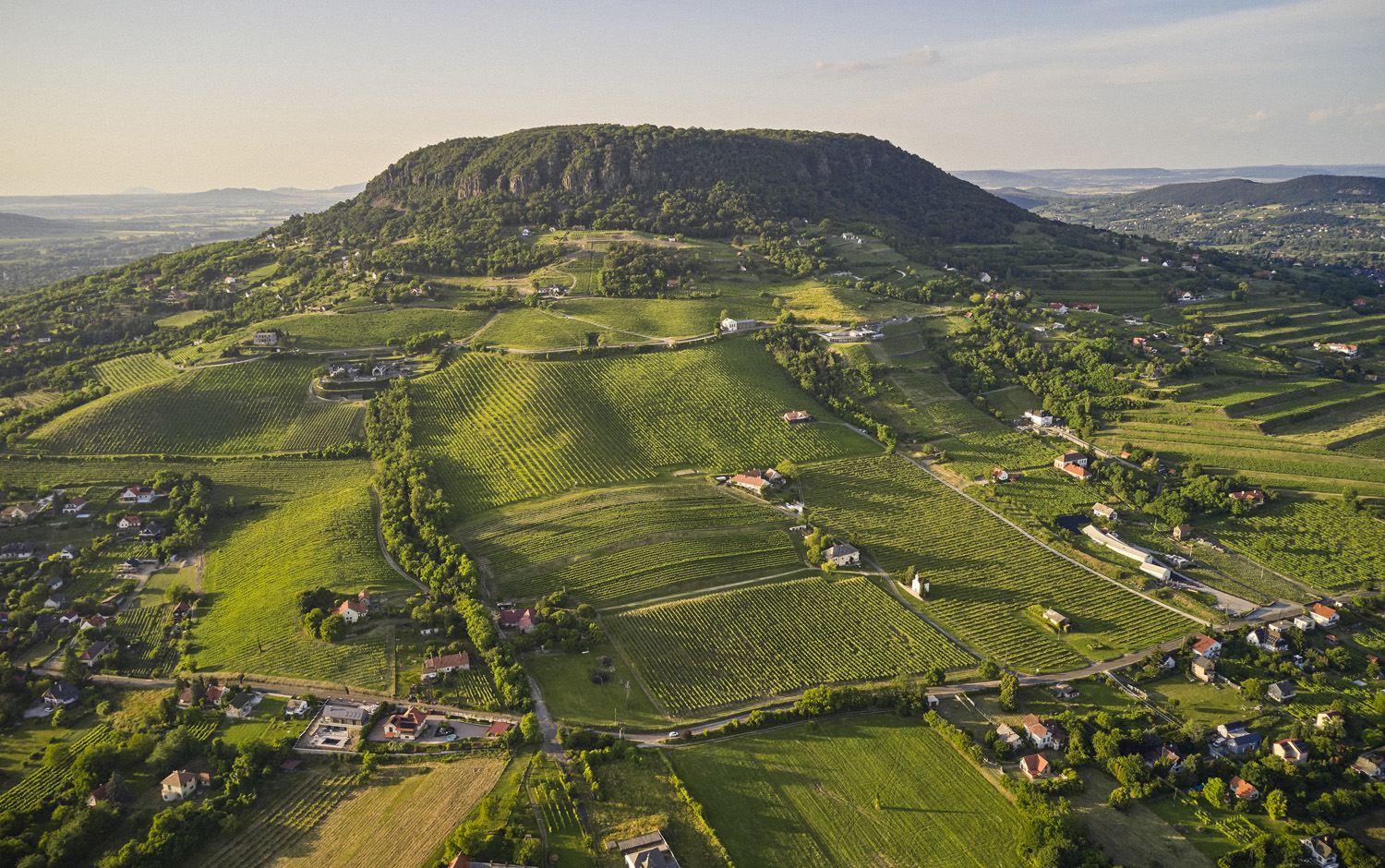
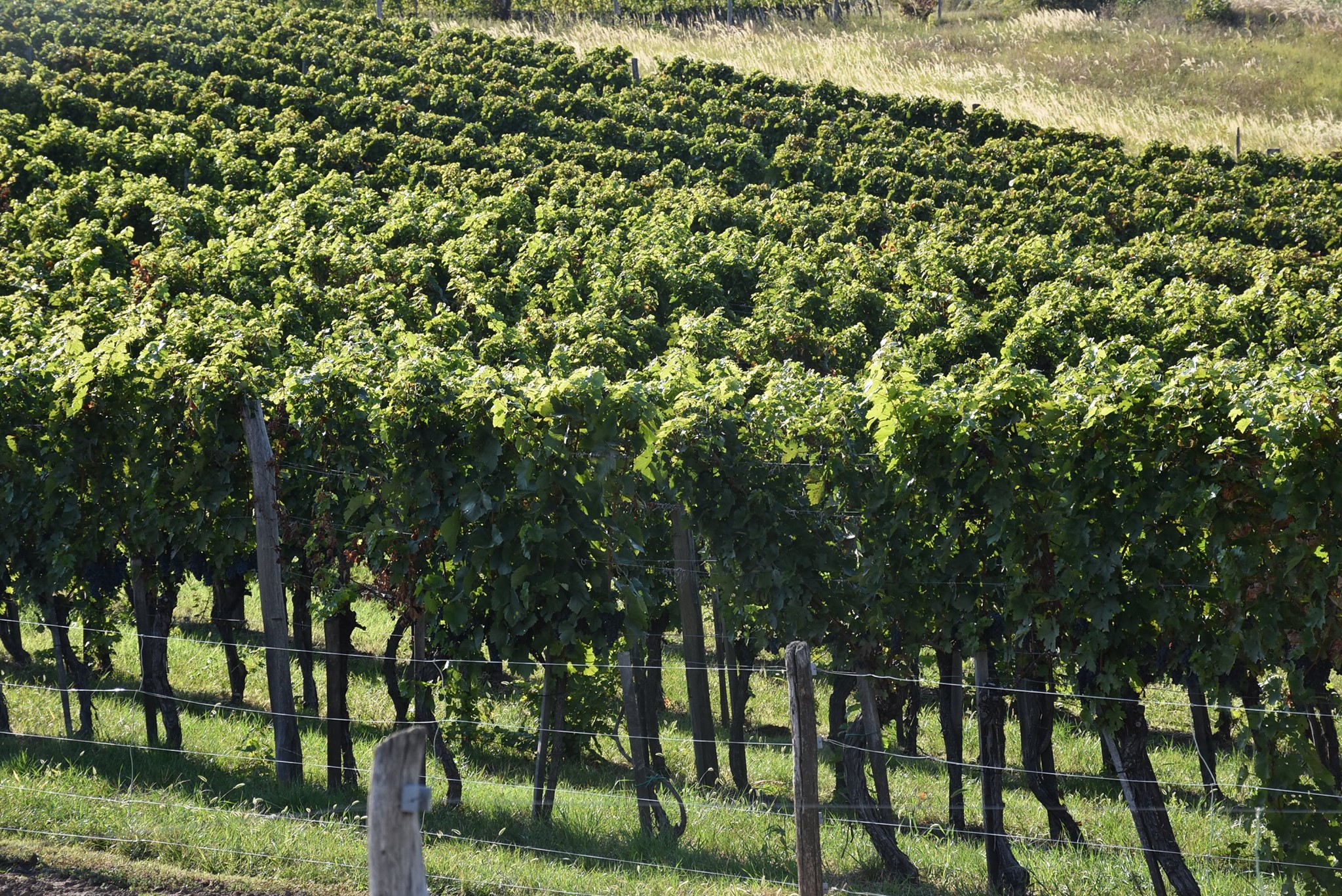
On Badacsony, the vines are planted on loose loess soils mixed with basalt debris at an altitude of 280 metres. The hill has a circumference of 11 km and a highest point of 438 metres. It is bordered by Badacsonytomaj to the east and Badacsonytördemic to the west, which are increasingly swallowing up land from the vineyards. The vineyards still surround the hill, surprisingly even on the northern side, although this slope is gentler, so sunlight still reaches there.
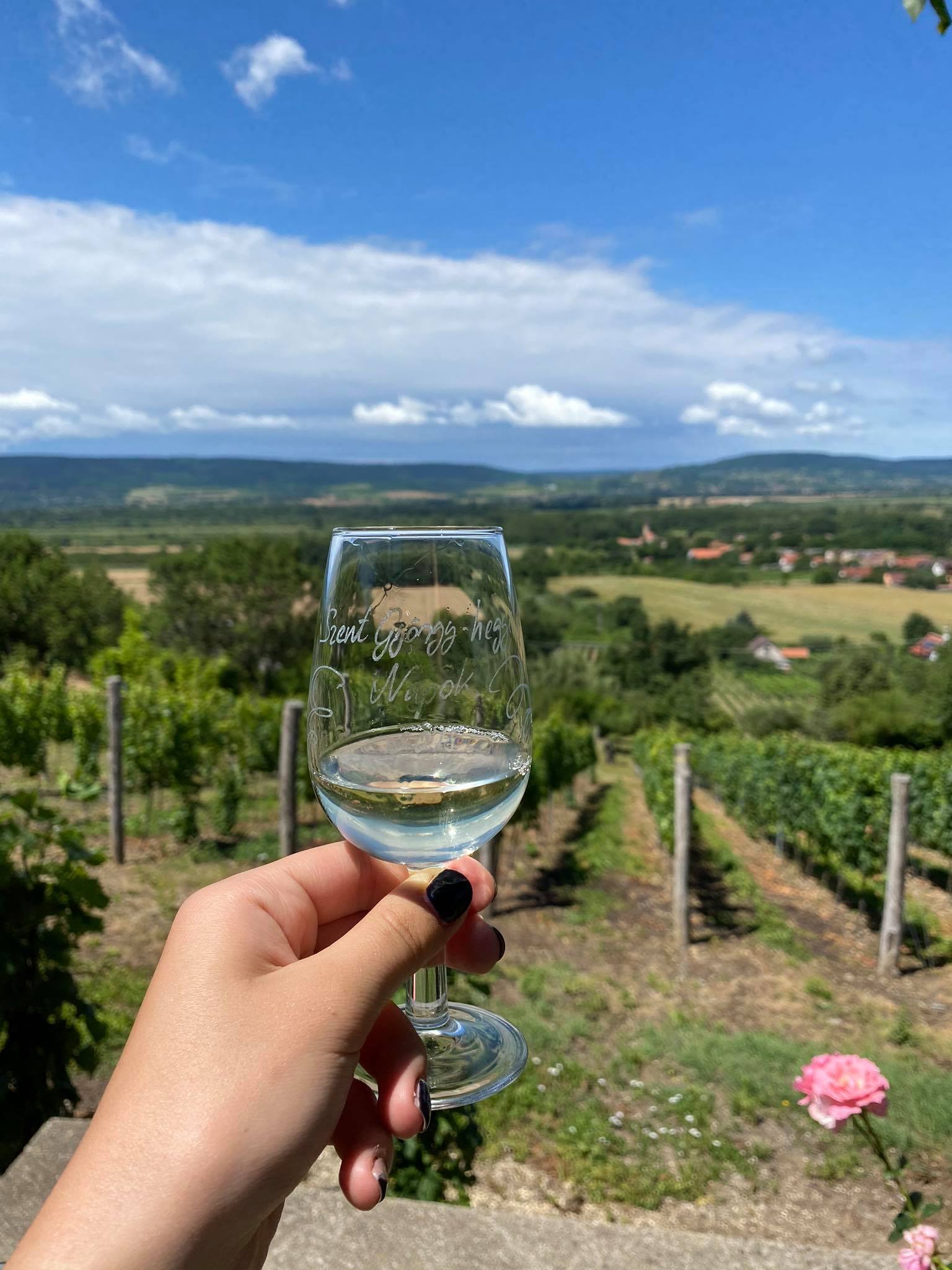
The second most important growing area in the wine district is undoubtedly Szent György-hegy, which rises to 415 metres above sea level. It produces rich, characterful wines that are recognisable on tasting and, moreover, very drinkable. Here, too, vineyards completely surround the hill. Contiguous, large vineyards can only be found on its lower slopes, with small plots of a few hundred square metres around small wine press houses more typical. This also means that far fewer commercial wineries have been established than the hill could potentially support, even though it is one of the areas with the greatest winemaking potential in the country. The vineyards here also extend to above 250 metres. Szent György-hegy is a first-class hiking destination too, and the basalt columns that characterise the hill can be clearly seen from such paths.
Origin protection
As already mentioned, the wine district only protected “hills” rather than vineyards in its designation of origin, but this system works just like for vineyards. Wines bearing the name of the hill can only be made from a limited number of white varieties, and the average yield must be significantly lower (7.5 t/ha) than that of wines with a wine district designation. Wines bearing the name of the hill must be made from 100% grapes from that hill and must be aged for at least nine months, including at least three in oak.






































































































































































































































































































Events
Domestic and international wine programs