
 English
  Magyar
Neszmélyi Wine district

History | National Geography

Vineyards | Origin protection
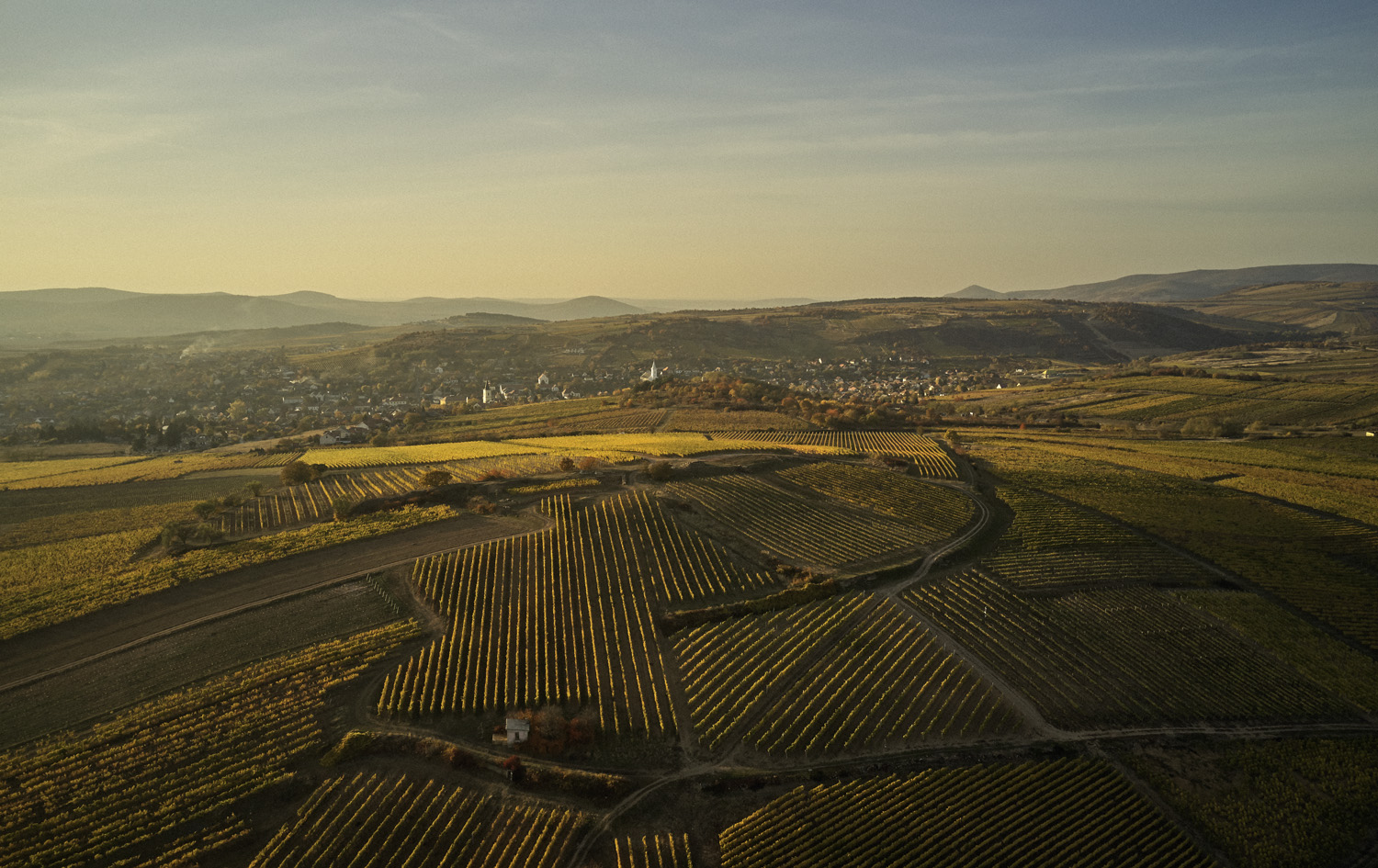
Where its grown

History
The history of the Neszmély wine region began with the legend of Emperor Probus, the Roman ruler who enlisted his legions to work planting vineyards. The arrival of the Hungarian tribes (9th century) and the early Middle Ages provide little meaningful information. After 1410, Tata, which belongs to the wine district, was a favourite residence of King Zsigmond of Hungary, who, according to contemporary documents, loved wine. After the defeat at the Battle of Mohács in 1526 against the Turkish conquerors, the passing Turkish armies almost completely destroyed the region’s settlements and population. However, according to a document from 1581, Ászár had once again become a significant settlement by that time. The region recovered only slowly after the expulsion of the Turks in the late 17th century.
Tata became the property of the noble Esterházy family in 1727, while the Bársonyos region belonged to the Pannonhalma Abbey until the mid-20th century. Neszmély was purchased by the noble Zichy family in the mid-19th century. The high acidity of Neszmély wines made them well suited to transportation, thus the region became increasingly well known. It is perhaps thanks to this that the Canons of St Augustine in Klosterneuburg purchased the properties in Almas and Neszmély from the Zichy family in 1855, as well as part of the land.
The boom came to an end with the arrival of phylloxera. The Pannonhalma Abbey helped with protection and replanting in the Bársonyos region, while the Esterházy family established a model vineyard in Ászár. Finally, the Neszmély wine region was established in 1897. At that time, it also included the areas of today’s Mór, Pannonhalma and Etyek wine districts.
Mass production under communism degraded quality to such an extent that the region lost its status as an independent wine region and was absorbed into the Bársonyos-Császári wine region in the 1950s, only to be reestablished under its old name in 1977, thanks in part to new plantings. Following the regime change, the Neszmély winery Hilltop Neszmély became the wine district’s emblematic winery and was then followed by dozens of small wineries.
Natural Geography
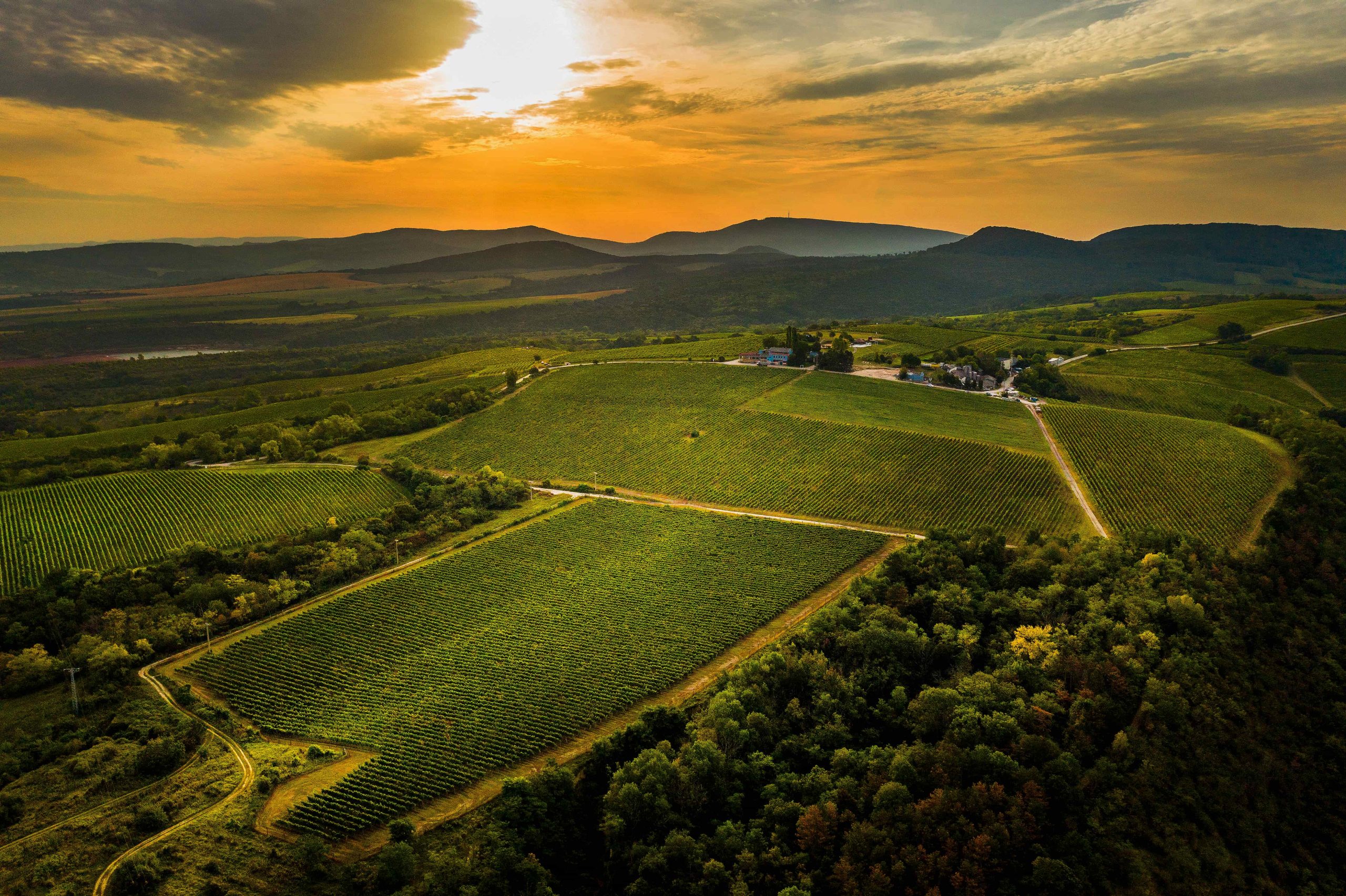
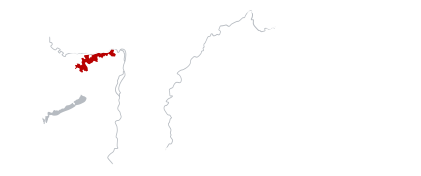
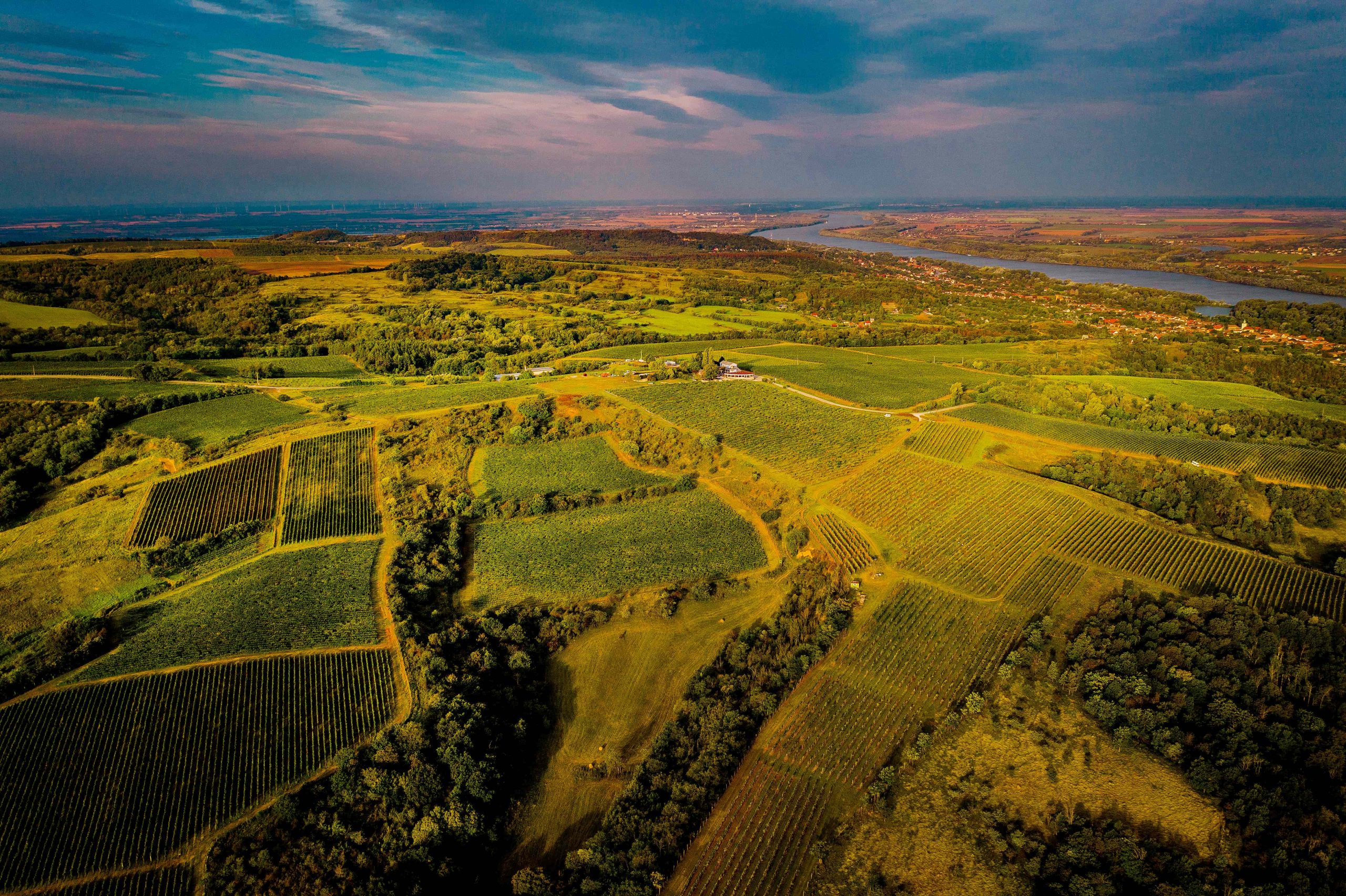
The wine district is very fragmented, so it is almost impossible to define its geographical boundaries. Travelling from west to east, you first arrive in the Ászár sub-district, which is part of the Bársonyosi Hills. The area consists of clayey-sandy lake sediments and Quaternary loess. Loess is also the most important soil-forming rock in the vineyards. Most of the area has brown forest soil with clay deposits. The hills are bordered by the Által Stream to the south, Bakonyalja and Sokoró to the west, Gerecse to the east and the Igmánd-Kisbér Basin to the north. The wine district also extends into the latter two areas, where the clay hills of the Igmánd-Kisbér Basin are covered in loess and sandy sediment. The villages of Nagyigmánd, Csép and Kocs are in this area. The wine district’s core is located on the western and northern slopes of Gerecse. The range consists mainly of Dachstein limestone and dolomite, but the foothills are covered with loess up to an altitude of about 350 metres, while travertine also occurs at the mouth of the Által Stream and near Vértesszőlős. The area surrounded by the towns of Dunaszentmiklós, Dunaalmás and Neszmély is both the historical and current heart of the wine district. Nagy-Somló (not to be confused with Somló), Korma-hegy (300 m) and Meleges (274 m), located on the outskirts of Neszmély, are also the most well-known vineyard sites. The north-facing slopes are warmed by the sun’s rays reflected by the Danube, while the north winds reduce the risk of fungal diseases.
On the northeastern side of Gerecse, towards Süttő, Lábatlan, Nyergesújfalu and Bajót, some of the vineyards are located on the sandy ridges along the Danube, while others are located on the northern (i.e. facing the Danube) side of the limestone hills, or on the southern foothills further away from the Danube. The vineyards of Tát lie to the east on the alluvial soil near the Danube, while the vineyards of Esztergom and Kesztölc are located on the limestone and dolomite massif of the Pilis Hills. The entire wine district enjoys balanced climatic conditions, with around 2,000 sunshine hours per year and 550-650 mm of precipitation.
Vineyards
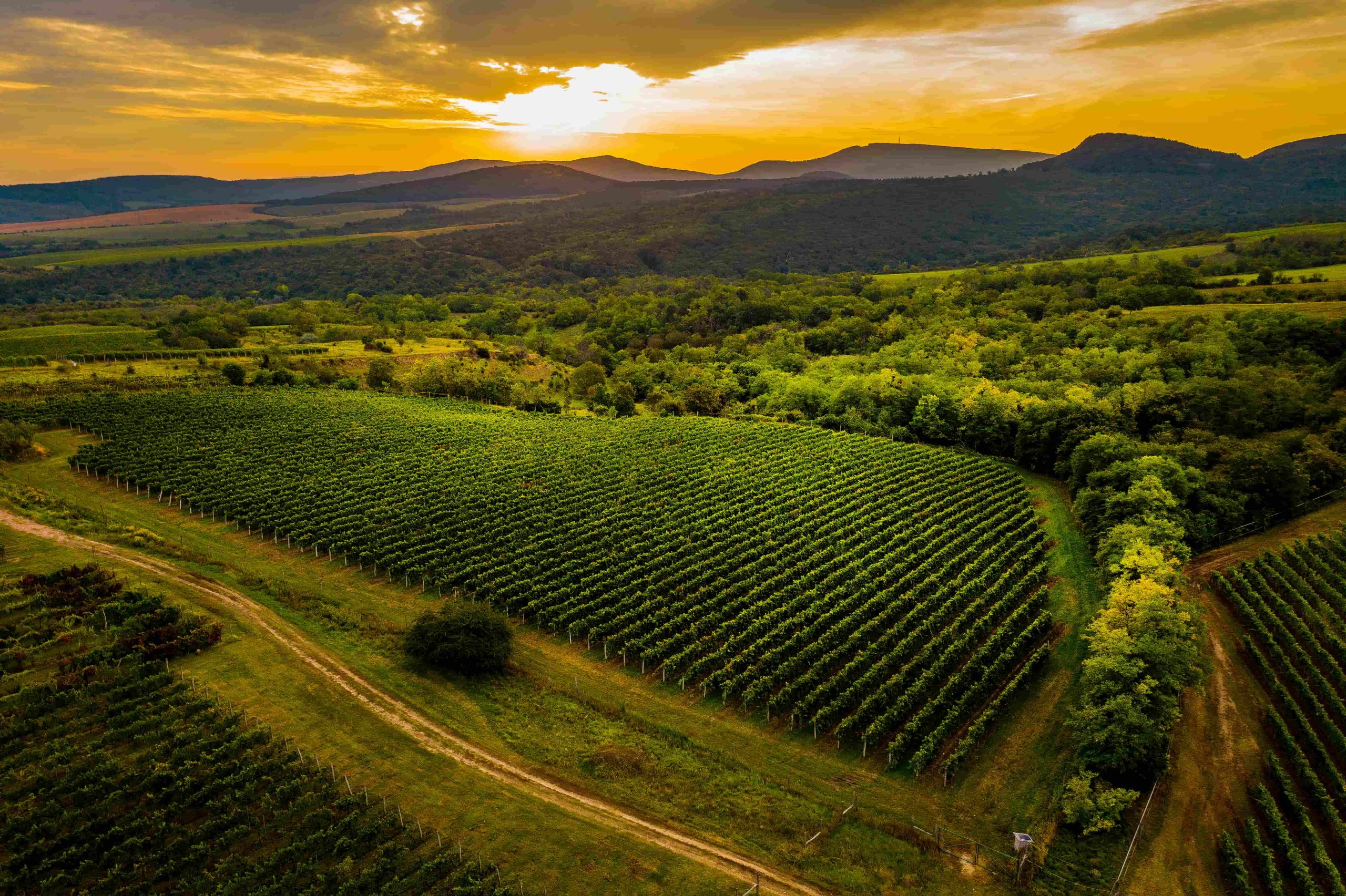
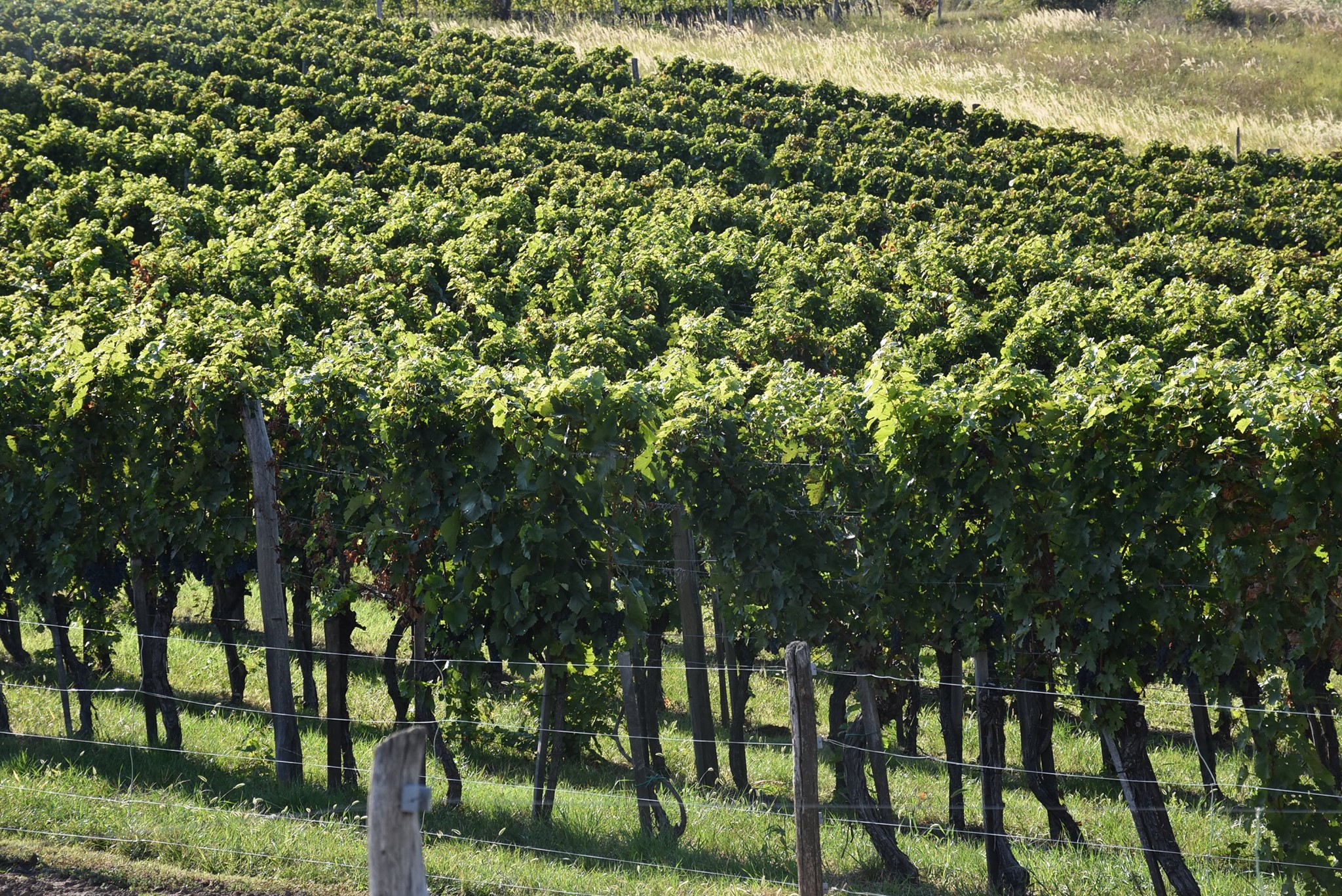
Nowadays, the wine district is primarily known for its light, fruity white wines, although it is undoubtedly capable of more, and perhaps its past also predestines it for this. The wineries in the Bársonyos area, in Császár, Bajót and possibly Esztergom are still exploring their potential, but wines from Kesztölc, Dunaalmás and Tata have gained a nationwide reputation. In terms of protecting its origins, the wine district focuses primarily on Neszmély, where twelve vineyards have been protected, including the once famous Meleges-hegy, but Korma Föle, Göte-oldal, Madari-hát, Ürge-hegy, Páskom, Pap-hegy and Várhegy are also noteworthy areas. Single-vineyard wines have already been made from Meleges-hegy and Páskom.
Origin protection
The wine district did not set particularly strict requirements for grape production and winemaking in the product specification that came into effect in 2012. In practice, it stipulated the rules from the wine law with a wide range of grape varieties. However, a total of 18 defined vineyards were identified, but little has been made of this opportunity.
The variety is most common in France (mainly Burgundy and Champagne), Italy and the United States (California). However, it is found almost everywhere on the world wine map. Statistically, this variety is among the most planted varieties in the majority – more than 40 – of countries. Plantings are continuing to grow, and it is slowly becoming the most cultivated white grape variety in the world.
It is cultivated on nearly 2,400 hectares in Hungary, with the highest proportions found in the Neszmély, Etyek-Buda and the Balatonboglár wine districts; it is the most abundant in the latter. It clearly likes calcareous, clay soils here too, which is supplemented by sand in Balatonboglár. Eger can also produce some appealing wines.


























































































































































































































































































































































Events
Domestic and international wine programs