
 English
  Magyar
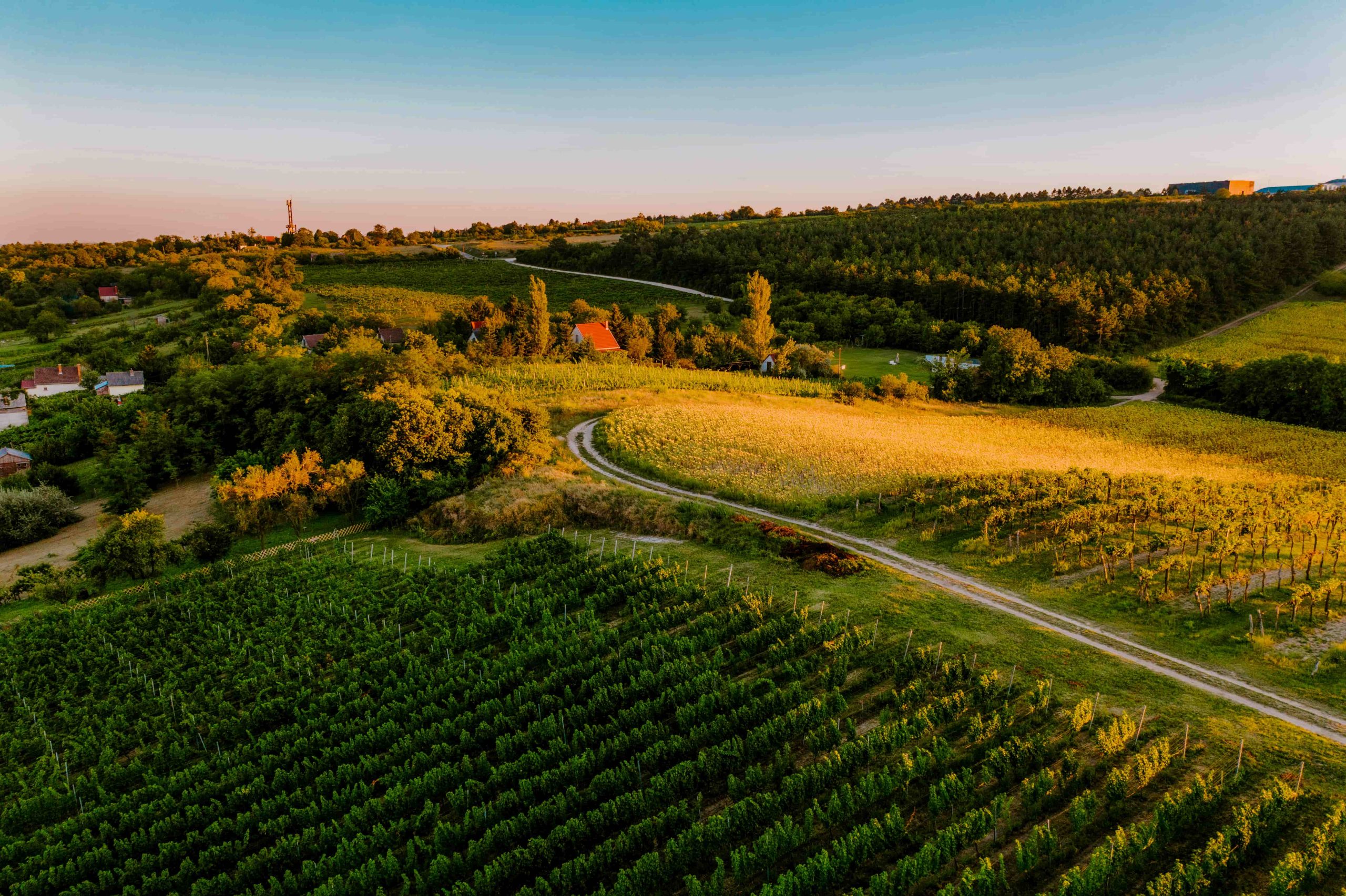

Upper Pannon Wine Region

Upper Pannon Wine Region
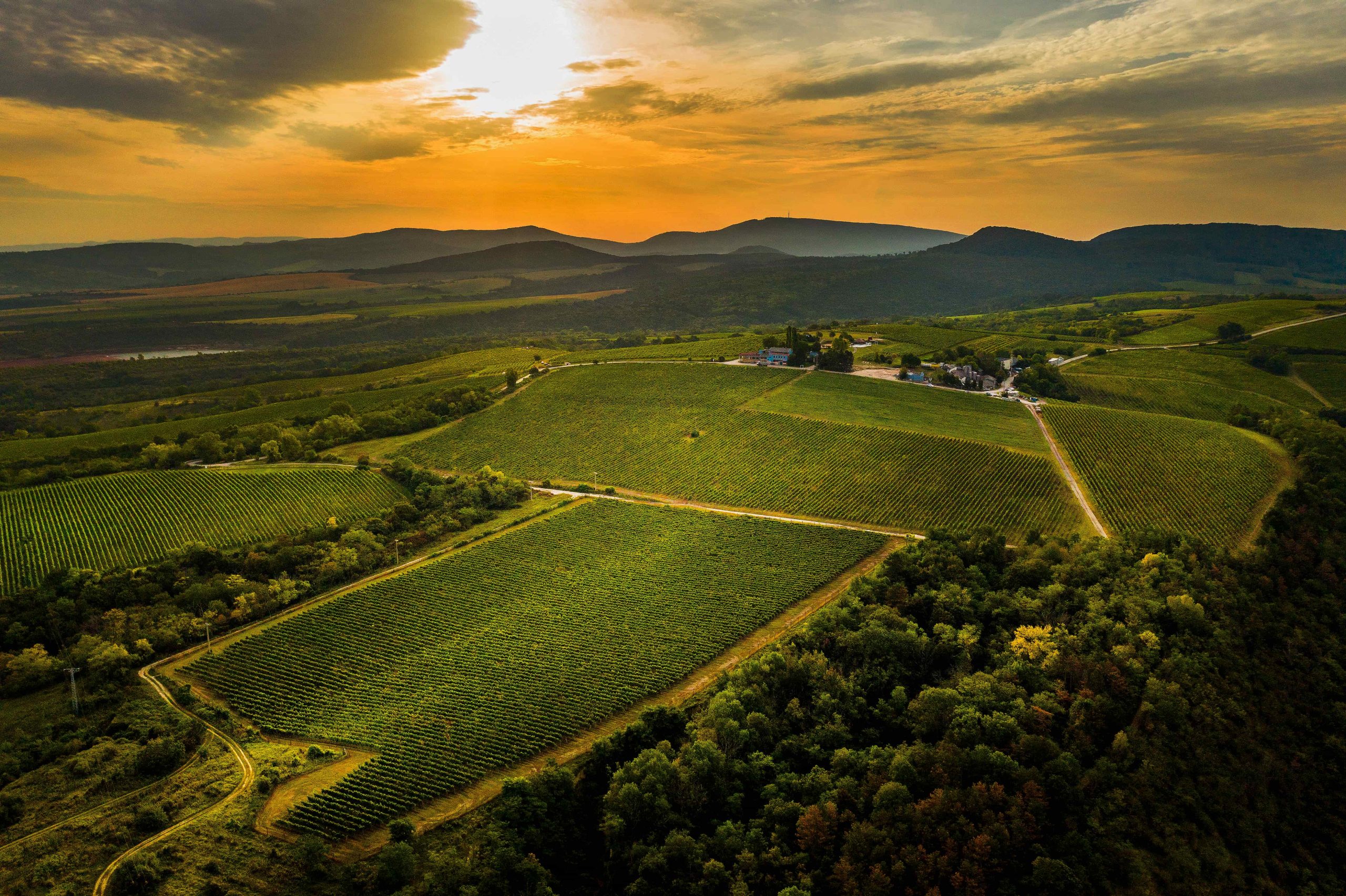
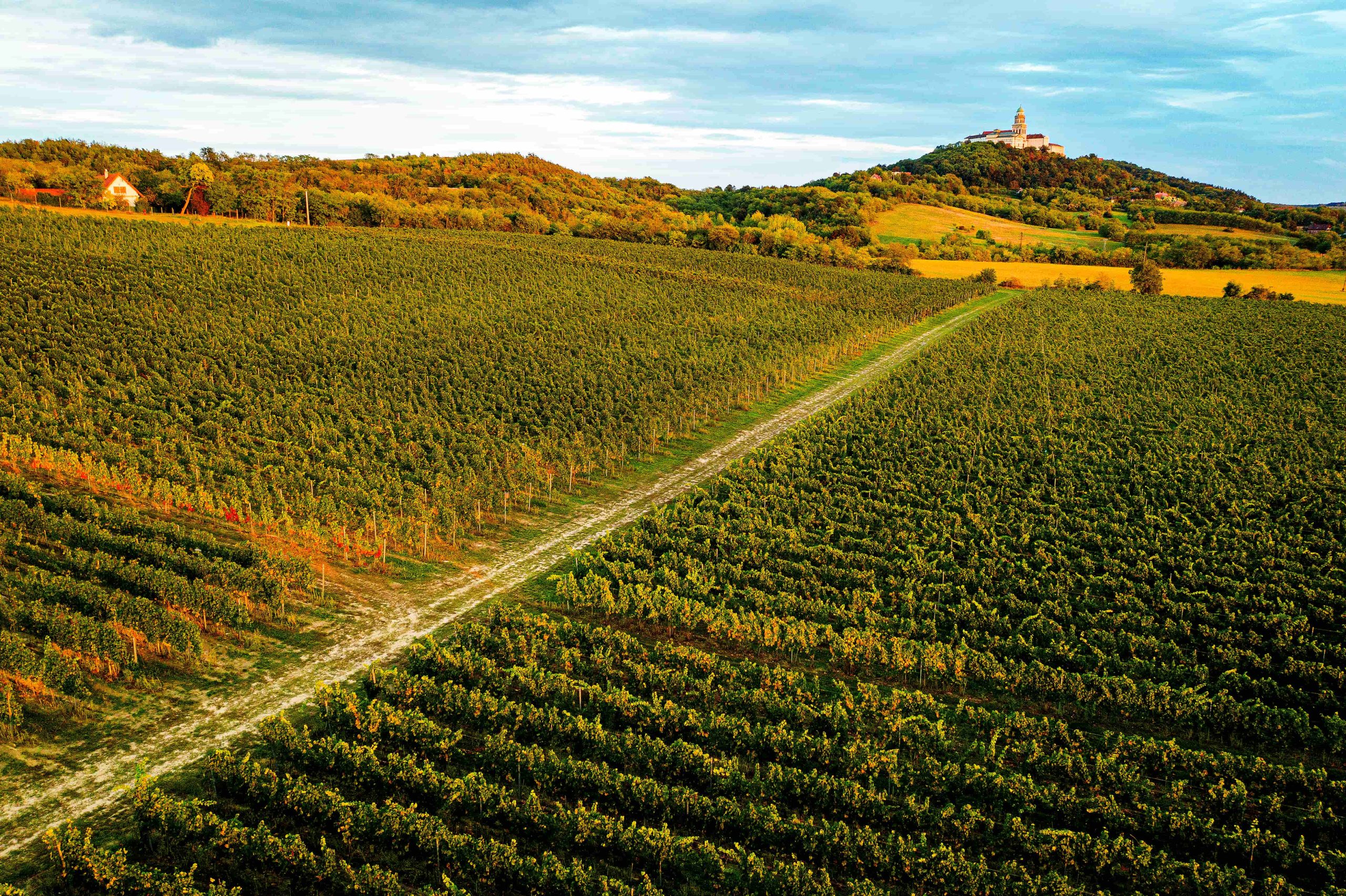
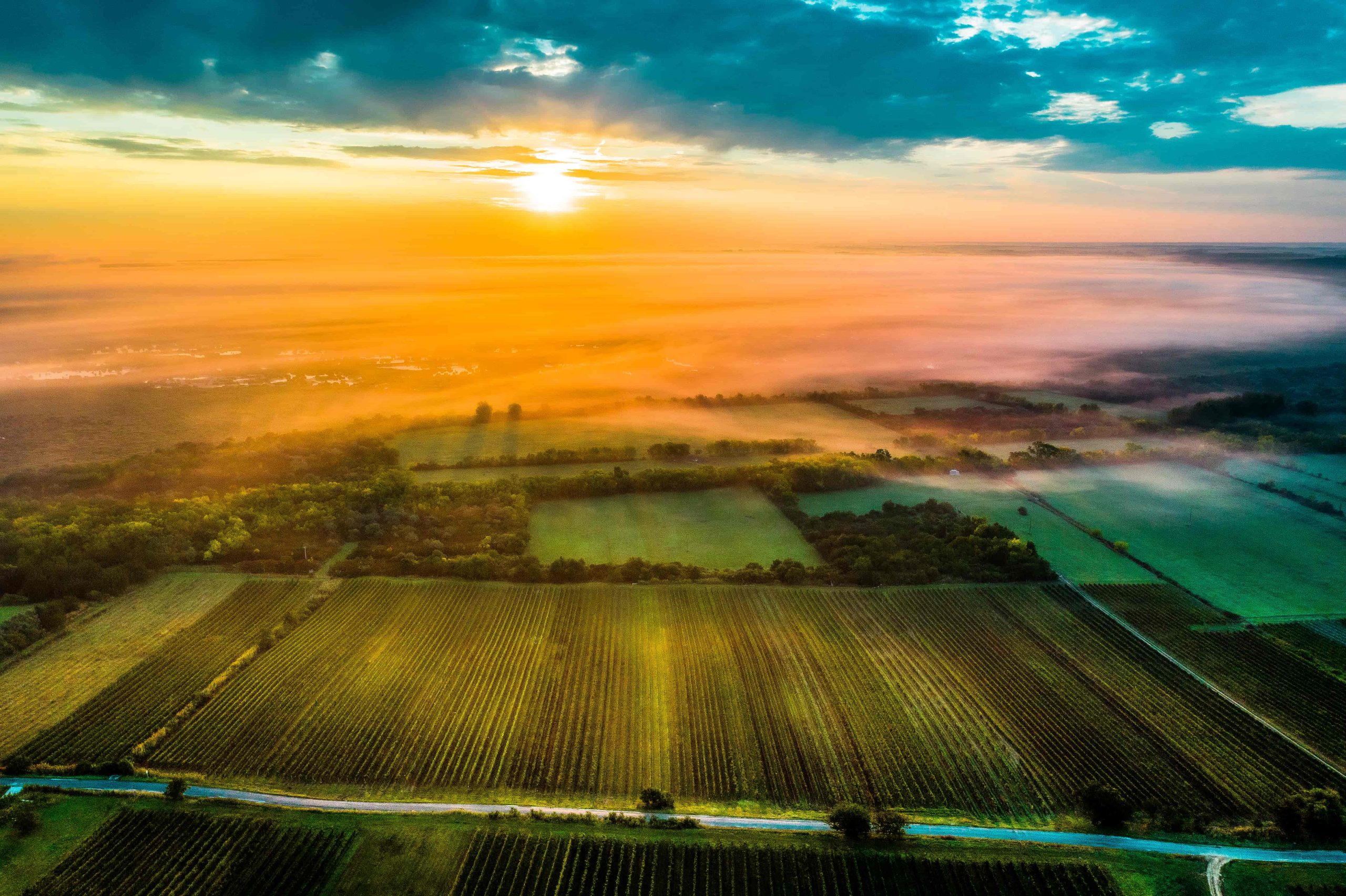
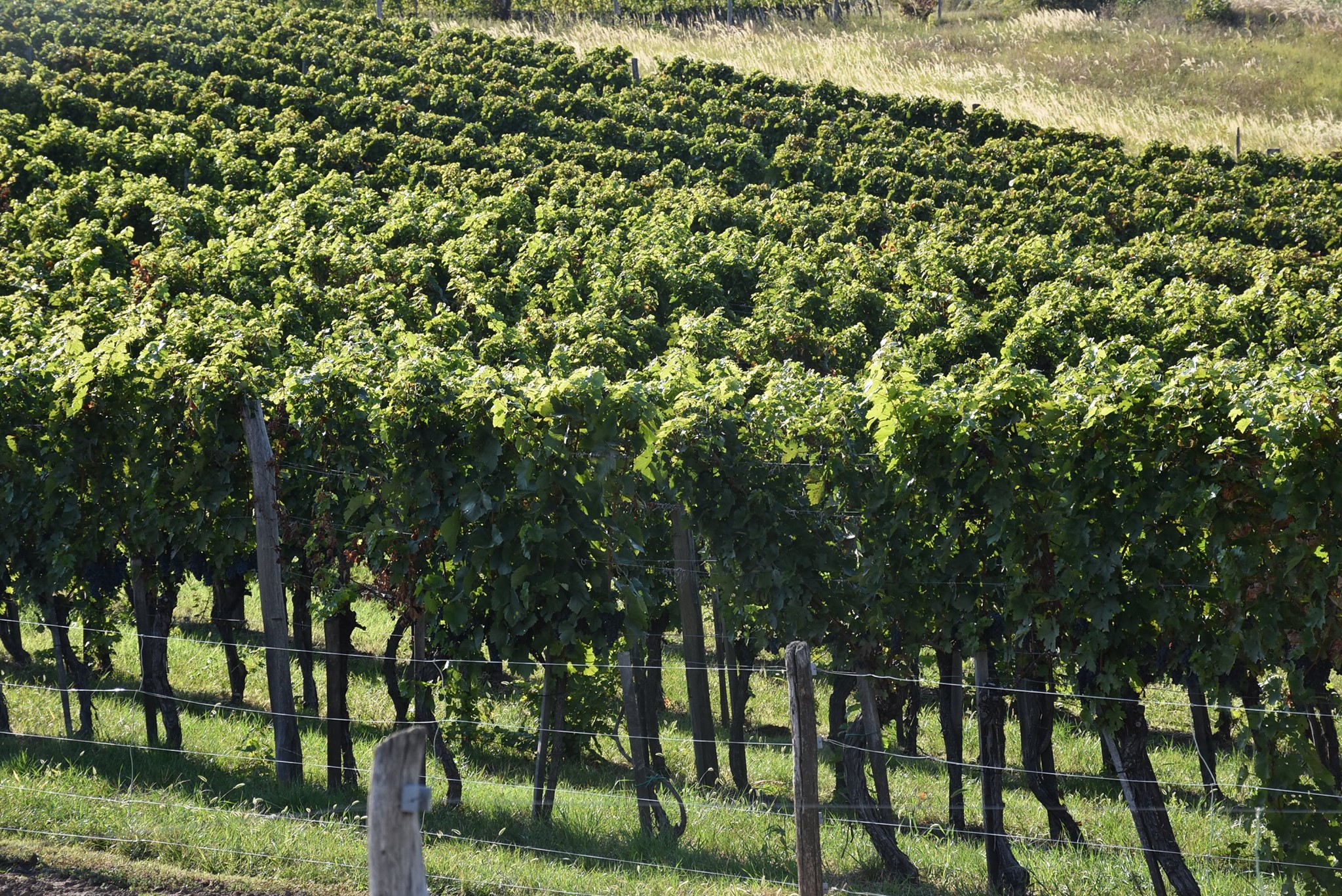
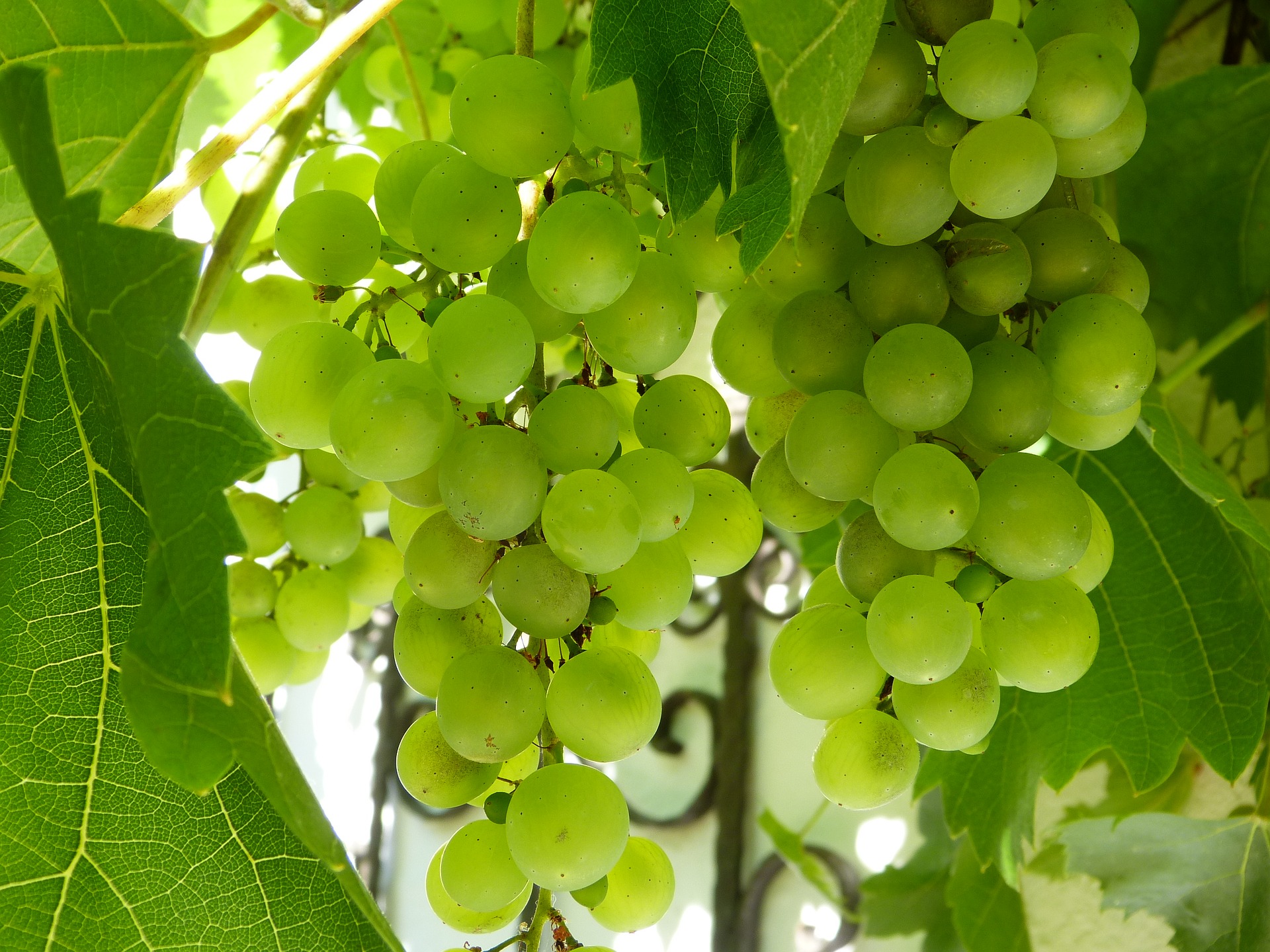
This wine region is undoubtedly located in one of the most developed parts of Hungary, which makes life much easier for winemakers, as the local market offers far more opportunities than elsewhere. One of the oldest Hungarian wine-growing regions, the Romans even boasted a developed wine culture in the area. The region comprises five wine districts (Etyek-Buda, Mór, Neszmély, Pannonhalma and Sopron) and the names alone paint a varied picture, yet the basic style of wines is surprisingly uniform: fresh, acid-driven, lively, fruity white wines immediately spring to consumers’ minds too.
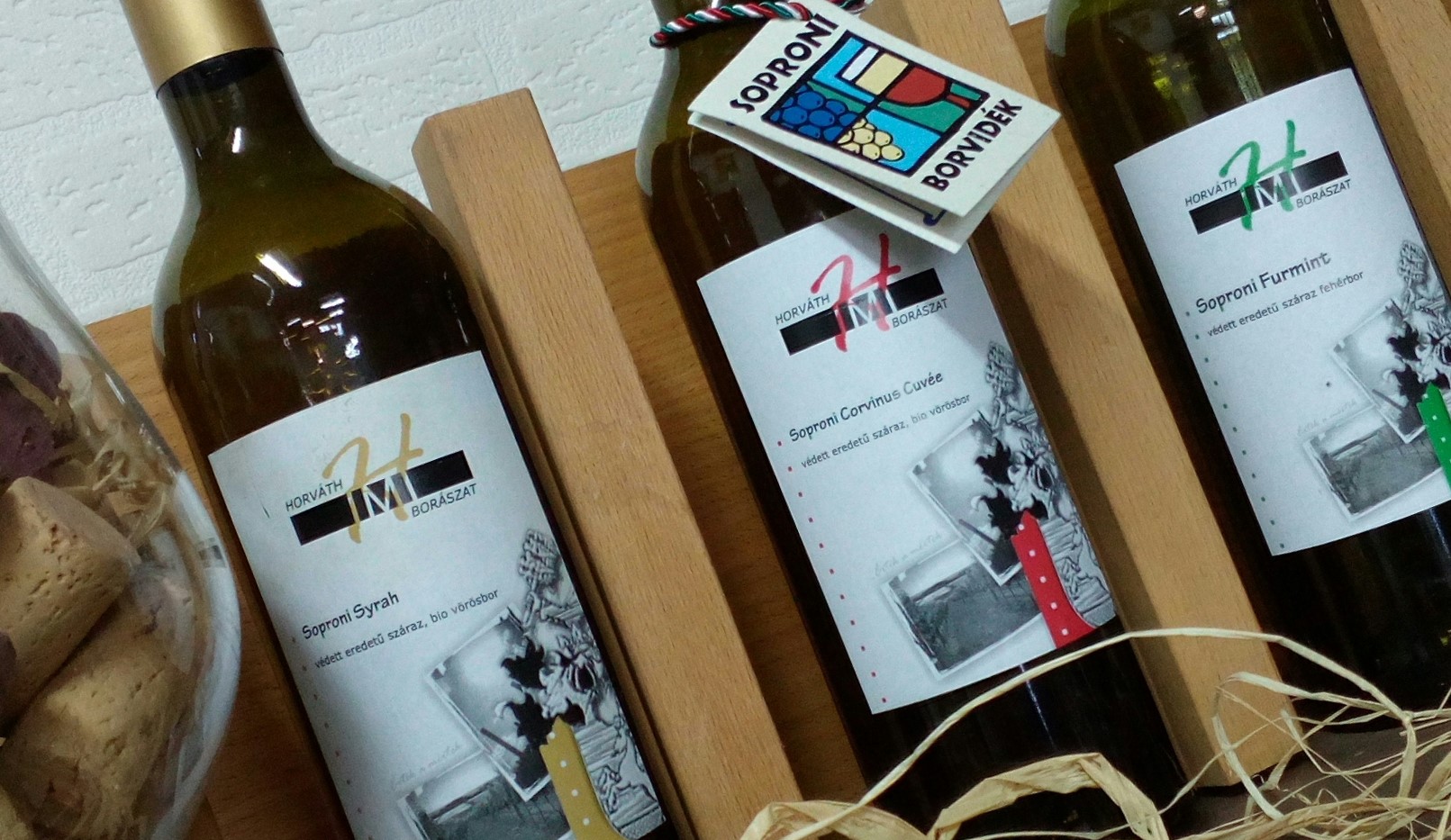
Of course, the picture is much more nuanced in many ways: the Etyek-Buda wine district has placed great emphasis on traditional-method sparkling wine production, to such an extent that it has even created its own designation of origin under the name Etyeki Pezsgő PDO. Sopron, one of the country’s most exciting wine-growing areas on the shores of Lake Fertő (Neusidlersee), boasts an increasing number of world-class red wines, although Pannonhalma also produces some excellent reds.
The total area of the five small wine districts is less than 5,000 hectares, which is tiny; however, these are quality-focused wine districts. They are close to the northern border of the Carpathian Basin, roughly connected by the Danube and the ranges of hills running alongside it: the Buda Hills, the Vértes, the Gerecse, the Pannonhalma Hills, the Velence Hills, the Kőszeg Hills and the Sopron Hills. The soil structure is extremely varied, ranging from the loess of Pannonhalma to the clay of the Fertő lakeshore. However, the wine districts are only partially exploiting this diversity to create sophisticated designations of origin.
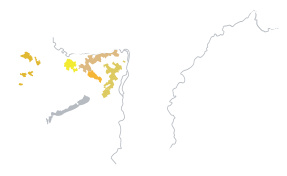
Winery districts of the region





















































































































Events
Domestic and international wine programs