
 English
  Magyar
Etyek-Budai Wine district

History | National Geography

Vineyards | Origin protection

History
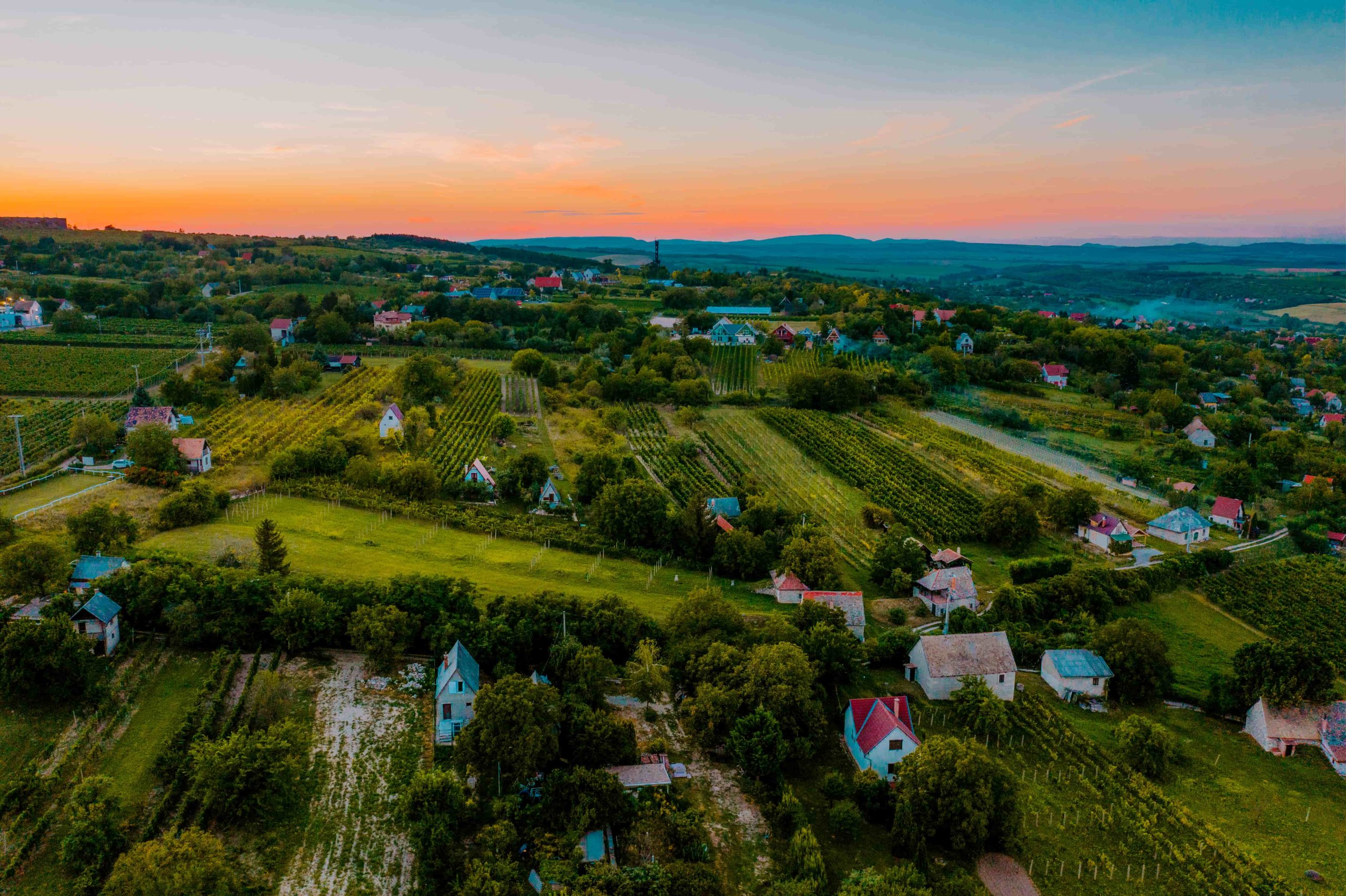
The history of the Etyek-Buda wine district dates back roughly three hundred years. Of course, there is Roman heritage here too, but in today’s sense, we basically have the Germans to thank for this. During the settlement process that began in the first half of the 18th century, German families were moved to what is now Etyek, but also to the area around village of Zsámbék and to certain villages around the Velence Hills. The new settlers quickly cleared the forests, ploughed the land that had been left fallow under Turkish rule and revived agriculture. They also planted the first modern vineyards in the region. It is important to note that the formerly internationally renowned Buda wine region has nothing to do with the current areas, either historically or geographically, apart from the partial similarity of names. The former Buda wine region is now almost entirely built over and is part of Budapest’s city centre.
Viticulture in the Etyek area began to flourish in the 1860s, gradually becoming the capital’s vineyard. Bia and Torbágy, Bicske, Tök and, of course, Etyek were the largest wine-producing villages at that time, but the manorial wineries of the Vál Valley and the wines of Pákozd, Sukoró, Nadap and Velence also gained a favourable reputation.
The brewery family Dreher owned the area in the 1900s. The Dreher estate had 55 acres of vineyards and a large modern cellar as well as bottled wines. After World War II, the vineyards in Vál slowly died out, as the state supported vineyard planting elsewhere.
When discussing the vineyards of Etyek-Buda, it is impossible – and not even worth trying – to avoid mentioning the name of József Törley. Born in Subotica, now part of Serbia, the sparkling wine producer studied at the academy in Graz, where he met French Champagne producer Teophil Roederer, who employed him as a French-German correspondent, which is how he ended up in Reims. After learning the tricks of the trade, Törley struck out on his own and founded his own factory in Reims. In 1880, while on a trip to purchase base wine for sparkling wine, he arrived in what is now Budafok, where he immediately noticed that the region was perfectly suited for sparkling wine production. Törley then purchased vineyards and a wine press, and in 1882 relocated his Reims factory here. The base wines were mainly purchased from the Etyek area.
József Törley proved to be an excellent marketing expert, and it is thanks to his successes that sparkling wine became a popular drink among Hungary’s upper class. At its peak, the factory produced one million bottles of sparkling wine per year. József Törley died unexpectedly in 1907 while on holiday in Belgium. The factory was hit by bombs in 1944 and nationalised by the communist leadership in 1949. It was not until the regime change that the sparkling wine factory experienced a new upswing, when it came under German ownership.
The Etyek-Buda wine district was established in 1990 and expanded in 1997, when it gained its current name. The wine festivals in Etyek have become a defining feature of recent decades, introducing the wine district to the whole country. Significant developments have taken place in the wine districts, both in terms of winemaking and tourism.
Natural Geography
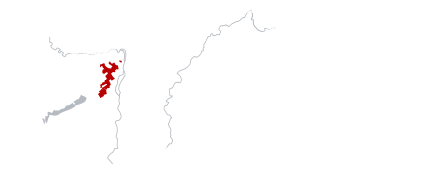
Geographically, the wine region can be divided into two distinct areas, but this does not refer to the duality implied in its name. In many respects, the Etyek and Buda sub-districts are more like each other than the Velence Hills, which are composed of completely different rocks. The bedrock of the Buda sub-district consists mainly of old dolomite and limestone (known as Dachstein limestone), while the latter rock type only appears on the surface in a few places in the Etyek sub-district. In the Buda sub-district, the bedrock is mainly covered by sandstone and young limestone, while in the Etyek sub-district, it is covered by loose, porous limestone, into which the Etyek wine cellars were carved. Another characteristic feature is the Upper Miocene clayey marl sediment, which was overlain by loess and sand, thus forming the area’s characteristic loamy soil with high active lime content. In contrast, the Velence Hills are composed of deep igneous granite, which is only broken through in places by volcanic rock, andesite, that has risen to the surface. The loess that later accumulated on the hills is now mostly a thing of the past, found only at the foot of the hills.
As far as climatic conditions are concerned, air movement is common on plateaus and hillsides. This provides outstanding production security, especially regarding fungal diseases.
Significant frost damage is rare, but the average annual temperature is slightly lower than the national average. Precipitation is average for Hungary at 600-700 mm/year.
Vineyards
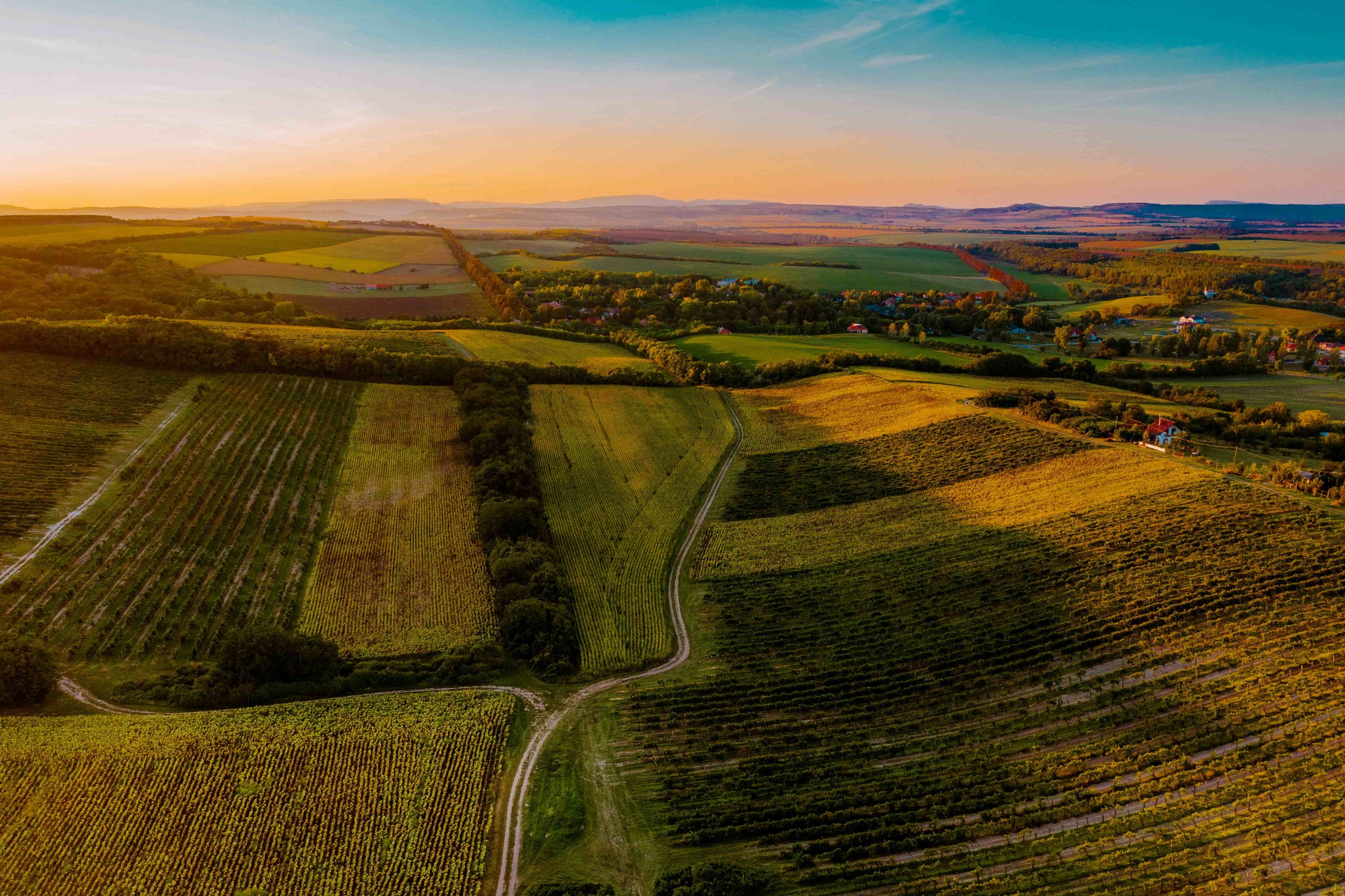
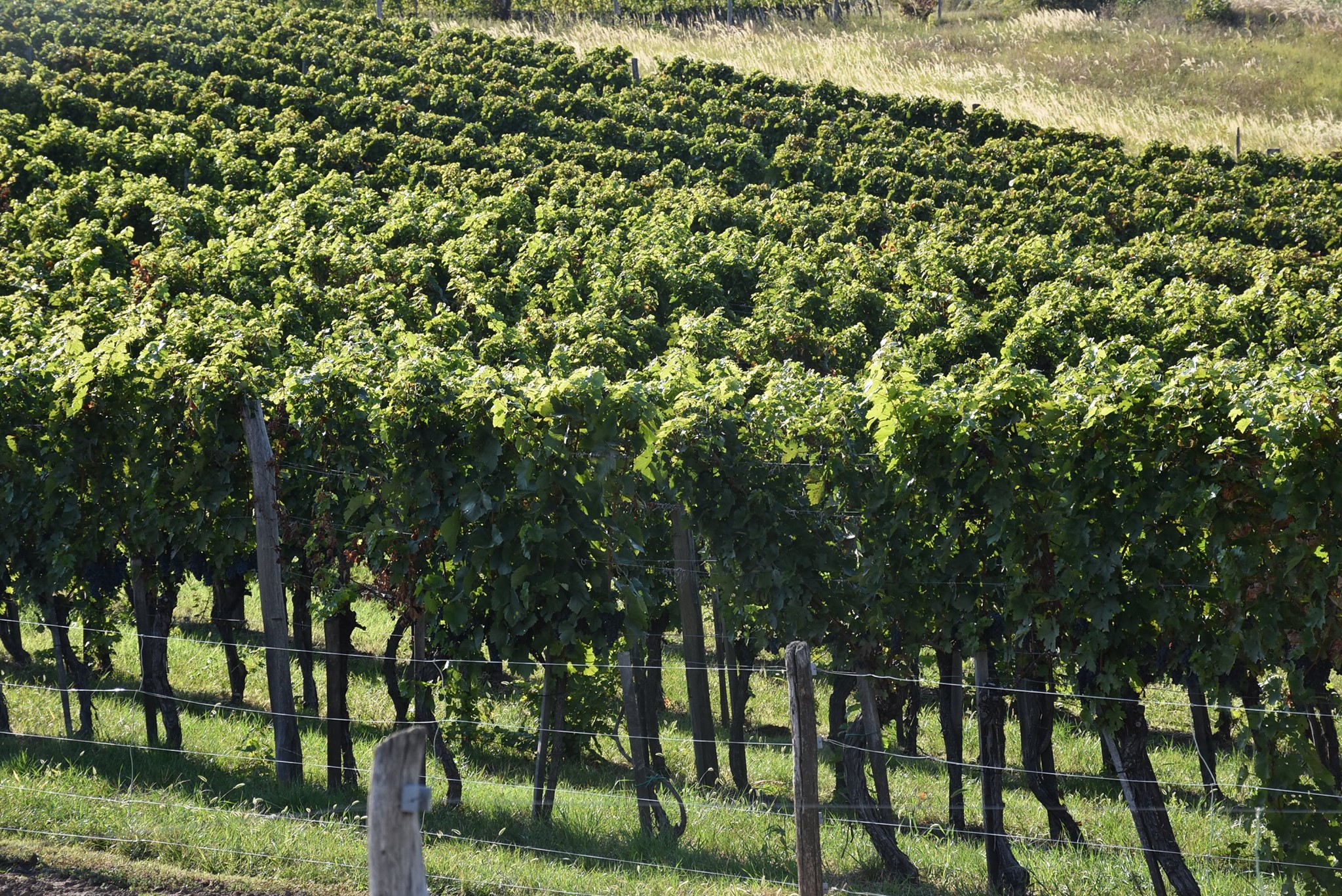
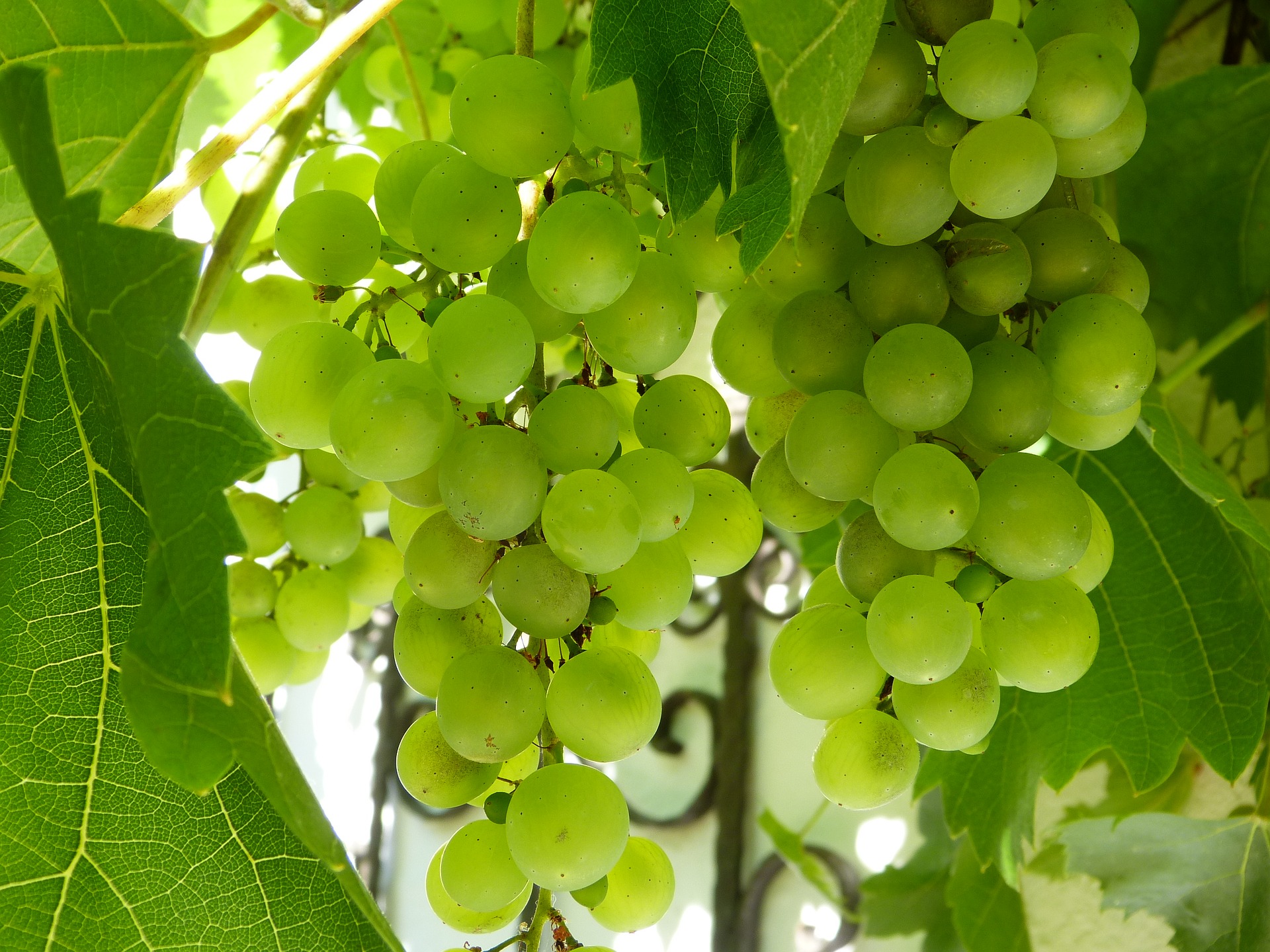
The Etyek and Buda sub-districts are generally more suited to white wine production. It is no coincidence that Etyek is considered the “Hungarian Champagne,” as both its soil conditions and climate are very similar to those of the famous French sparkling wine region. Accordingly, Chardonnay, Sauvignon Blanc, Riesling and more recently Pinot Noir can produce very high-quality wines. In addition, there are also plantings of Olaszrizling, Zöldveltelini, Pinot Gris and Müller-Thurgau.
The wine district has a significant number of demarcated vineyards, but this is not yet reflected on labels. Considering the winemaking potential, consumers will soon be able to familiarise themselves with the vineyards of Etyek, so it will be worth paying attention to the designations Anna-hegy, Kőkaloda-dűlő, Öreg-hegy, Új-hegy, Szép-völgy, Tóra-dűlő and Herceg-földek.
The Velence sub-district is still searching for its true identity, but some remarkable white and red wines have already been produced in the area. The Nadap vineyard demarcation only includes Csúcsos-hegy, but Zsidókő-hegy, Gyulatanya, Jánostanya and Bágyom in Pázmánd also have their own demarcations.
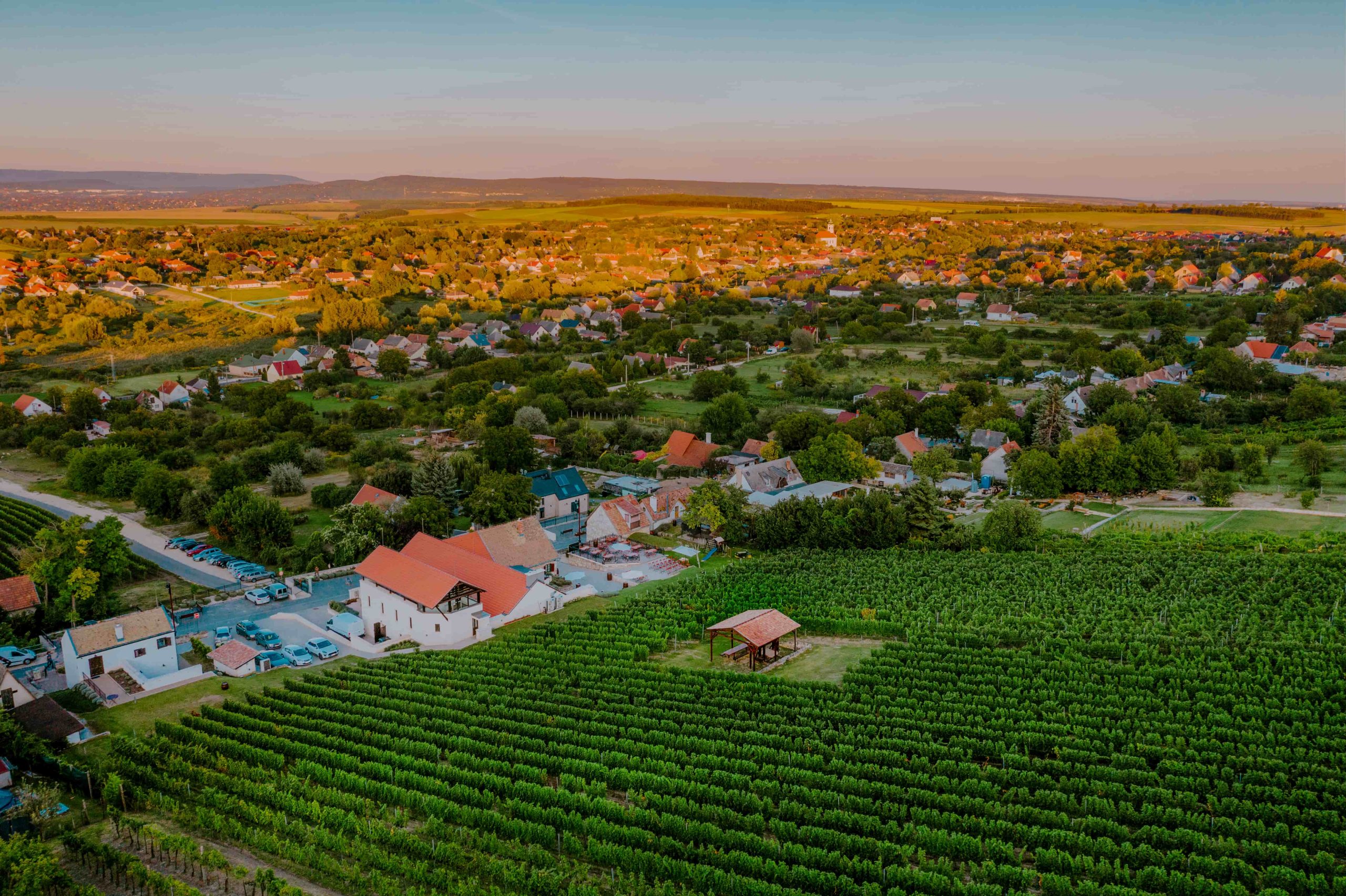
The better-known vineyards are as follows. The Nagy-Látó-hegy vineyard, which belongs to Alcsútdoboz is loess and deep brown forest soil formed over limestone. The area is located northeast of Alcsút, at an altitude of 175-190 metres. It has southwestern exposure and is surrounded by ploughed fields and fallow land. It is separated from the Kis-Látó-hegy to the southeast by a strip of forest. Öreg-hegy is Etyek’s emblematic vineyard, the best-known area in Etyek. A significant portion of the well-known Etyek cellars are located here. Contiguous vineyards are only found on the northern and southwestern sides of the hill. The area has southeastern exposure, deep limestone bedrock, well-drained brown forest soil and lies 175-260 metres above sea level. Szép-völgy is also an Etyek vineyard, located next to the ridge of Új-hegy. The altitude varies between 190 and 260 metres, with the vineyard’s lowest part in the middle as well as in the middle section of the northern part. Its boundaries are formed by the road, Új-hegy, Sándor dűlő and Anna-hegy, and its soil is similar to that of Öreg-hegy, brown forest soil settled on limestone. The Orbán and Tóra vineyards are located west of Etyek, in a relatively large contiguous vineyard area, east of the Göböljárás lake. The Orbán vineyard lies at an altitude of 205-245 metres, facing southwest, bordered by forest to the north, west and a significant part of the south, while the Köpeny vineyard lies to the east. The southwest-facing Tóra vineyard lies on the other side of the edge of the forest bordering Orbán from the south, at an altitude of 175-220 metres. Its southern border is marked by the road, its western border by the forest and the lake behind it, its northern border by the forest, and its eastern border by the Árok vineyard. Both vineyards have brown forest soil formed over the limestone.
Körte-völgy and Öreg templom völgy are vineyards belonging to Budajenő. The latter is located between 195 and 255 metres above sea level, faces southwest and is bordered by forest to the east, the Körte-völgy and some arable land to the north, and asphalt roads on the other sides. Körte-völgy is located at an altitude of 225-255 metres and is almost a plateau, although there is a slight slope to the southwest. Both vineyards have brown forest soil on limestone.
Origin protection
Although not immediately obvious, Etyek has had two product descriptions and two PDOs since 2020. One is the wine region PDO, and the other is Etyeki Pezsgő PDO (Etyek Sparkling Wine), which should not be confused with the former or with the name Etyek-Buda sparkling wine that appears in it.
Although the first product specification in 2012 did not impose any serious restrictions on still wines, it was unique in certain respects. It defined no fewer than 68 vineyards within the wine region, while along with white, red and rosé wines, it introduced the Friss (Fresh) type/brand alongside white, intended for white blends. However, consumers have been unable to see many of these wines, even though they are still included in the 2022 regulations. Sparkling wine (white and rosé) was also included, with the concept of quality sparkling wine being introduced, although no difference could be seen in its production.
The Etyeki Pezsgő PDO was created in 2020. (From 2022, in order to protect Etyeki Pezsgő, the name Etyek may only be used on still wines as part of the name Etyek-Buda). In this case, the grapes may only come from Etyek vineyards, a minimum of 24 months of bottle aging is required and only Chardonnay, Pinot Blanc, Pinot Gris and Pinot Noir are permitted, as opposed to “Etyek-Buda” sparkling wine, which can be produced from 43 different varieties. Only the traditional method (méthode traditionnelle) may be used in the production of Etyeki Pezsgő, while all three production methods may be used in the production of Etyek-Budai sparkling wine. Another difference between the two sparkling wines is that Etyeki Pezsgő must be aged in bottle for 24 months, compared to Etyek-Buda sparkling wine, which is aged in bottle for 9 months. Etyeki Pezsgő can only be produced in brut style.




































































































































































































Events
Domestic and international wine programs