English
  Magyar




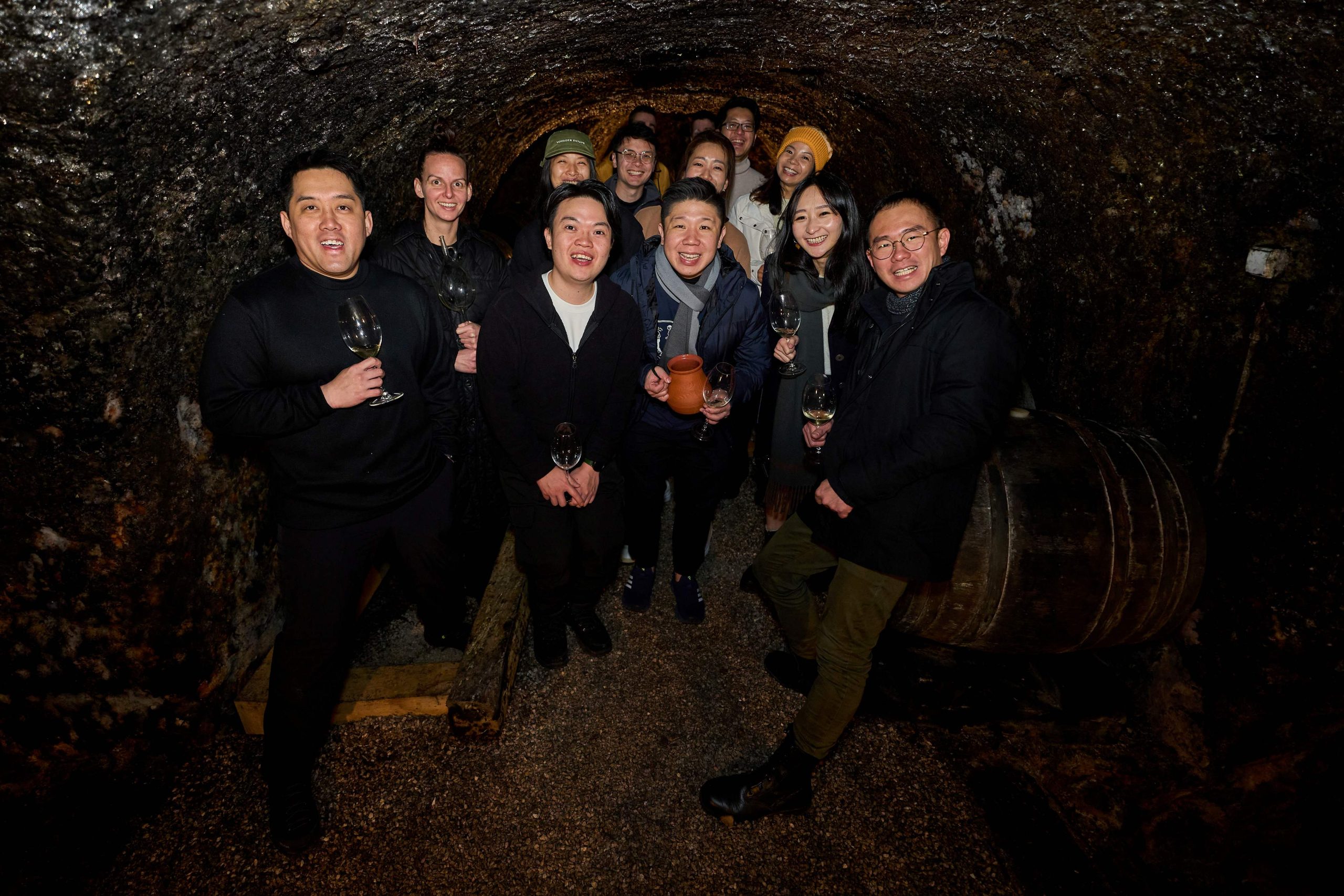
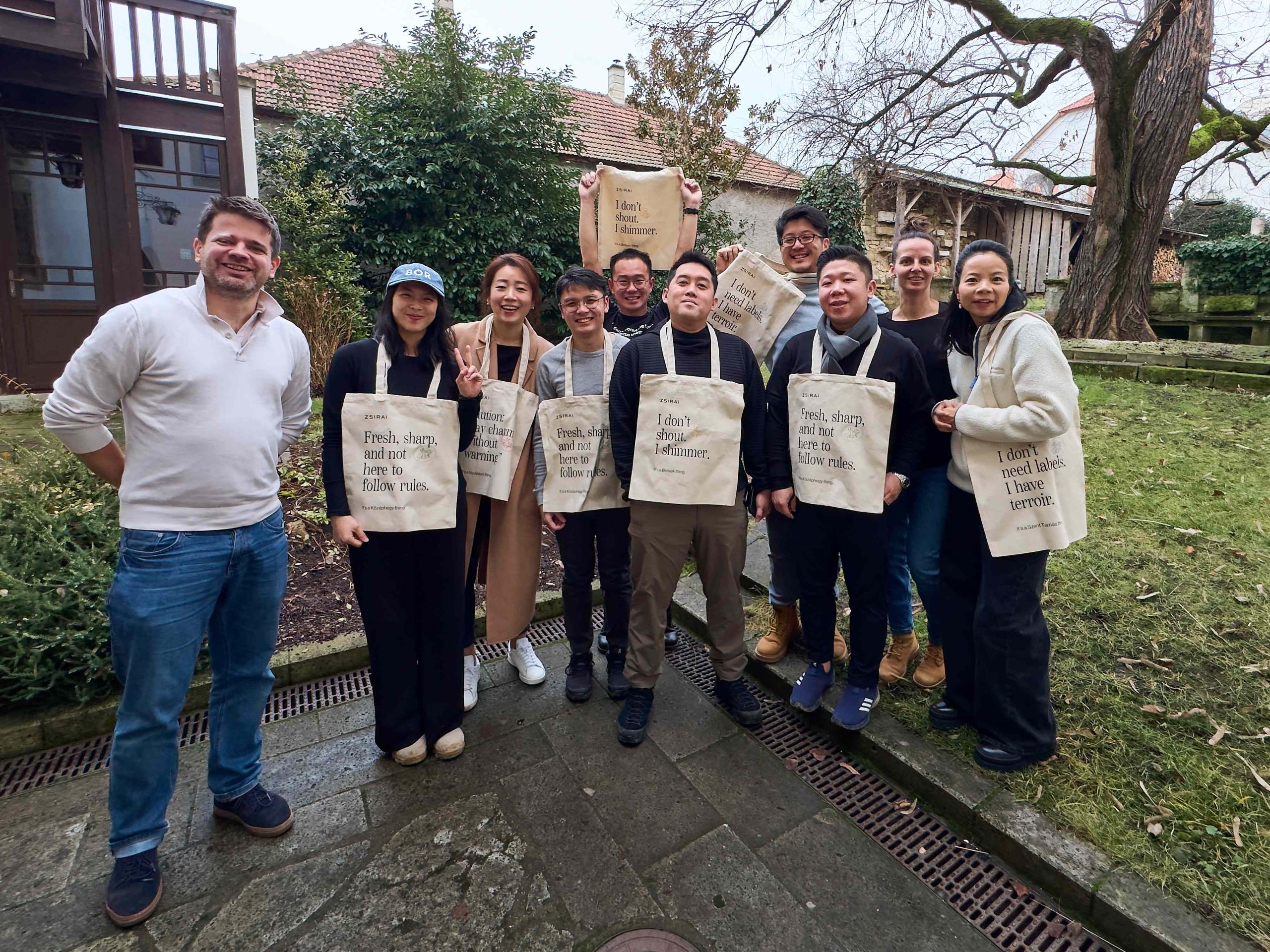
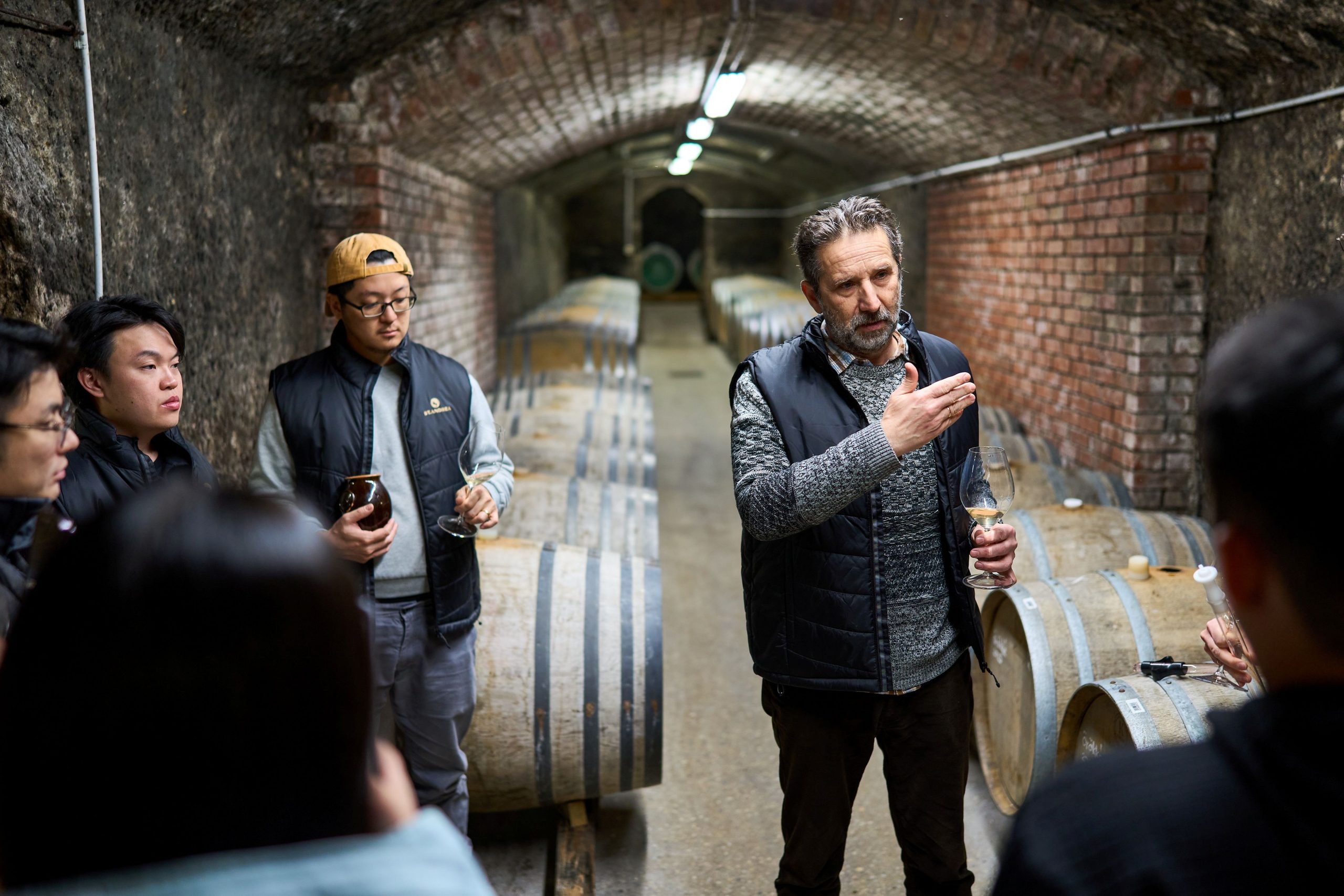
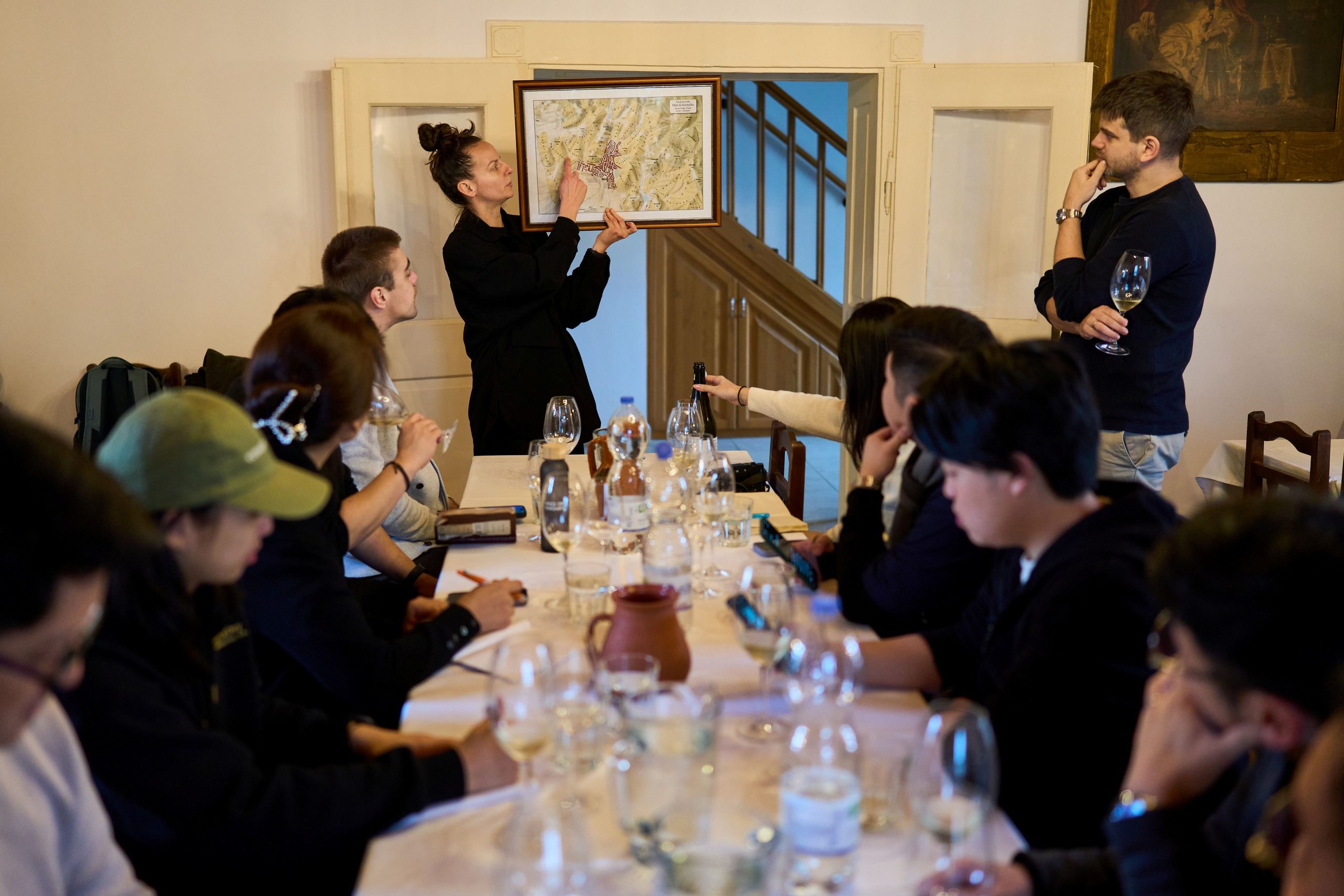
Over 10 days, this immersive journey travelled across seven of Hungary’s most important wine regions, from Tokaj and Villány to Balaton and Somló, with visits to 20 wineries and tastings of 50+ wines along the way.The programme combined winemaker-led tastings, shared cooking experiences and a professional masterclass with the Hungarian Sommeliers Association, offering a deeper understanding of Hungary’s wine, people and terroir.
Why did you choose Hungary, and what did you know about Hungarian wines and wine culture before your visit?
Gerald Lu: I knew about Tokaj and the Aszu wines, the general winemaking process. I knew about the Bikavér wines and I heard about Lake Balaton. And I know Hungary used a lot of Paprika.
Vincent Tan: This was actually my second visit, as I had been to Hungary previously, last September, for the BOR 2025 – Hungarian Wine Summit. Before that, my knowledge was mostly limited to Tokaj, and I had only tasted a few wines from Eger (St. Andrea) and Villány (Gere).

You travelled across almost the entire country. What impressions did you gain during your stay, and what key message about Hungarian wine are you taking home with you?
Gerald Lu: I learned that Hungary went through many turbulent times during their history and how difficult it was for the wine industry to find their footing and regain traction. Even now, each region has their own set of challenges to overcome when it comes to selling wine. But I see how each wine region adjusted themselves to meet trends, battle socio-economical challenges to create their own unique identities and keep Hungarian wine alive on the international map.
Vincent Tan: I quickly realized there was so much more to Hungarian wines, both in terms of production methods and terroir. The single vineyards in Tokaj and Villány each showed remarkable personality, something that would have been almost impossible to understand without visiting in person.
Which wine region was your favourite, and which grape varieties or wine styles resonated most closely with you?
Gerald Lu: Wow this is difficult. I loved how Tokaj repositioned themselves to make Dry Furmint to try to regain their market share. I loved the passion of Villany in turning an international grape into something with their own style and flavor profile and I loved how down-to-earth and proud the Balaton and Eger were of their indigenious grapes and style. So to each his own. But if I had to choose one, I really enjoyed speaking with the people in Mád. Something about their struggle to tell people their story made some connection with my life.
Vincent Tan: Tokaj and Furmint would be a close call, but I think my final choice is Villany with Cabernet Franc. I’ve always been a fan of the varietal, and I really loved how they have for most parts even surpassed the origins.
Although Singapore is a relatively small market, it is recognised as a highly premium wine destination. What trends currently define the market, and which styles of wine are most in demand among consumers?
Gerald Lu: Singapore is a combination of International drinking trends (lesser alcohol, lighter wines), a pursuit of a more curious and inclusive lifestyle (unique experiences, new discoveries) and also a need be in possession and access to the finest (buying fine / rare / exclusive wines), so this creates a few micro circles within the drinking community, allowing various types of wines opportunity to position themelves within their deemed market. Sparkling wine (Champagne), gentler-styled wines and also allocation wines are the most in-demand.
Vincent Tan: Singapore is really defined by lighter, more elegant styled wines that pairs well with cuisine, and definitely in the premium, fine and rare catagory. The local population is extremely demanding for new experiences and authenticity, and are can often be even more educated than the professionals.
Singaporean cuisine draws on Chinese, Malay, and Indian culinary traditions as well, encompassing subtle, spicy, and hot flavours alike. Which Hungarian wines or wine styles do you believe would pair best with Singaporean cuisine?
Gerald Lu: Dry Sparkling Wines, Still Whites with freshness but a hint of residual sugar and bright fruit flavors and some red wine with low tannins, riper fruit and lighter texture.
Vincent Tan: Currently I believe the Pezsgo (sparkling wine) and the Dry Furmints would work amazingly, as they would be the perfect foil for cuisine. Szamaordni could work as well, but the general consumption of sweet/off-dry wines are decreasing.
Where do you see the most promising opportunities for Hungarian wines to differentiate and grow in international markets?
Gerald Lu: Emerging markets with educated and well-heeled middle class. Aged from 25 to 45 years of age. Sell them an experience. Tell the real stories, meet the real people and show them the effort, energy and the future Hungary has to offer. Don’t be afraid to be honest and also be brave to put the wines out there to compete with some of the best, established wine regions. Hungarian wine needs to be seen by the world!
Vincent Tan: I would see it in established markets with a history of gastronomy. I believe the vast possibilities of Hungarian wines makes it the perfect weapon for a sommelier to be able to provide new experiences, and we have seen the best of Hungary rivaling the top wines of the world. But it will definitely rely on ambassadors of Hungary to tell the story, whether it be the winemakers themselves who are all very charming or sommeliers who have actually seen the land.