
 English
  Magyar

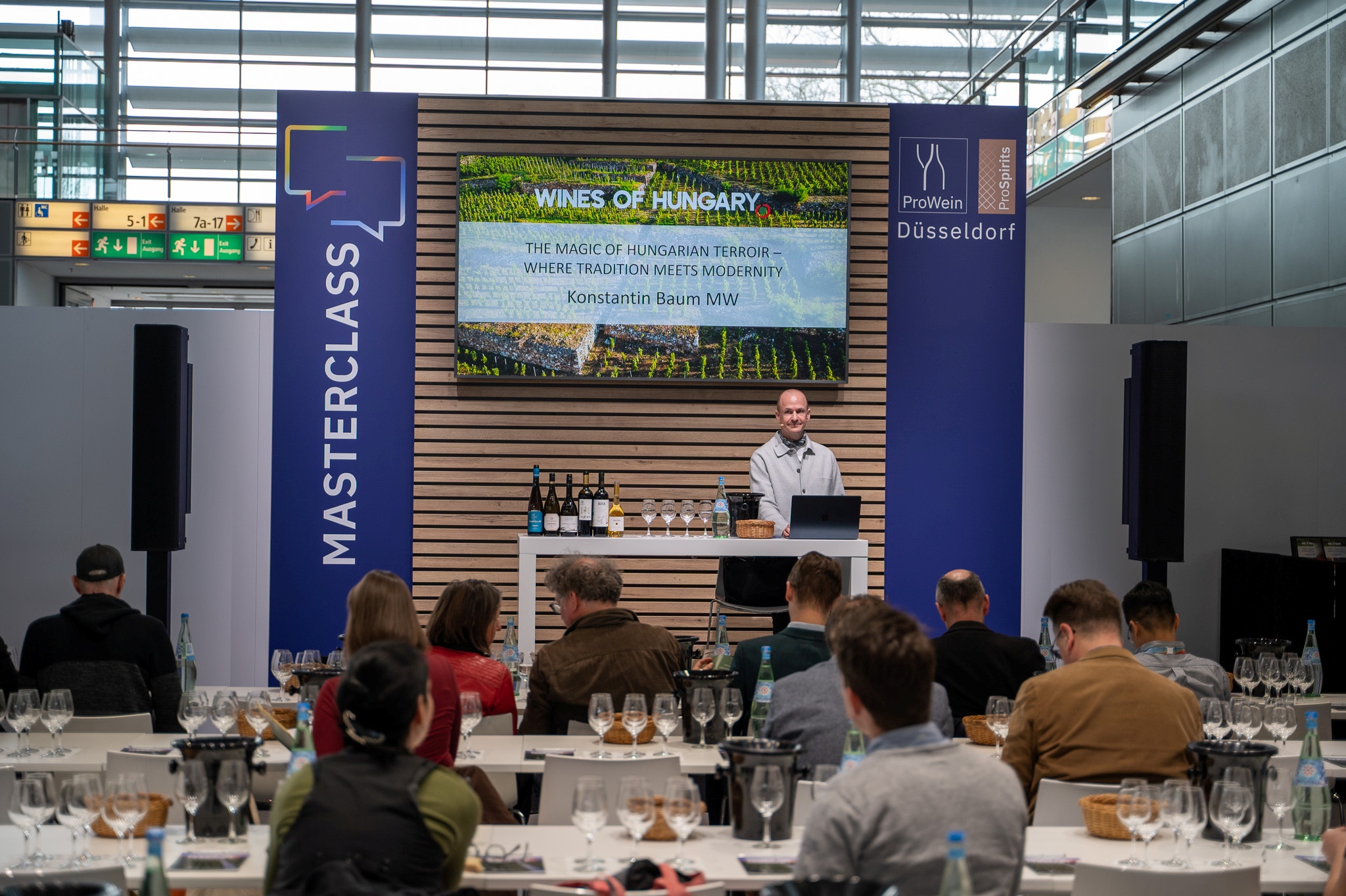


How would you describe the classic style of Kékfrankos compared to modern interpretations of the variety?
That’s relatively difficult, because it’s hard to clearly define what counts as modern and what as classic. For me, the classic style is actually what’s currently back in vogue and quite trendy: little or no oak, clean, fresh fruit aromas, and an intense structure with lively, fresh acids. I would describe the modern style as richer and more intense, with later harvests, a more robust style, and oak aging—for example, in barriques—where even more intense oak aromas emerge.
How do you evaluate Kékfrankos as a varietal wine and as a component of blends? Do you observe regional differences in the role and use of the variety in cuvées?
In my opinion, Kékfrankos is exciting whether as a single-varietal wine or as part of a blend, but its identity naturally comes through most clearly and distinctly when processed as a single-varietal wine. In blends, it adds freshness and structure to the cuvée. As a single-varietal wine, it simply comes across as cleaner and fresher.

What winemaking and viticultural approaches can help highlight the variety’s elegance and balance?
In my opinion, the right harvest timing, low yields, and a clear expression of the terroir are important, as well as ensuring the wine isn’t masked by oak, but rather that the fruit and texture are supported —perhaps with some use of barrels—so that a wine is created that speaks of its place of origin, expresses its vineyard, and preserves its purity and fruitiness.
To what extent do you consider Kékfrankos to be a variety that expresses the terroir?
I believe that Kékfrankos is a terroir-driven variety, as evidenced by the wide range of styles that can be produced from it. Perhaps it doesn’t express its growing region as clearly as other varieties, such as Pinot Noir, but it is certainly a variety that is strongly defined by terroir.

What stylistic differences do you see among Kékfrankos wines from different Central European countries (Lemberger, Blaufränkisch, Frankovka, etc.)? And what differences do you see within Hungary?
That’s a difficult question. The differences are perceptible, but at the same time there are significant variations in the winemaking approaches of different producers, so it happens that wines from different countries resemble each other more closely than those from neighboring producers in the same region—depending on the philosophy the winemaker follows. I believe that the Austrian Blaufränkisch comes across as richer, more elegant, and more intense, the Hungarian Kékfrankos is slightly more acidic, and the Lemberger falls somewhere in between the two.
What could be the “signature style” of Kékfrankos for international wine consumers?
For me, Kékfrankos is most exciting when it is terroir-focused, produced with low yields, with fruit in the foreground but also showcasing spice and pepper notes, and featuring a distinct texture and prominent acidity. It is richer than, say, Pinot Noir, but less structured than a Cabernet Sauvignon for example. This is how Kékfrankos can find its niche: it might be compared to Syrah, but in a style where fruit dominates rather than intense oak.
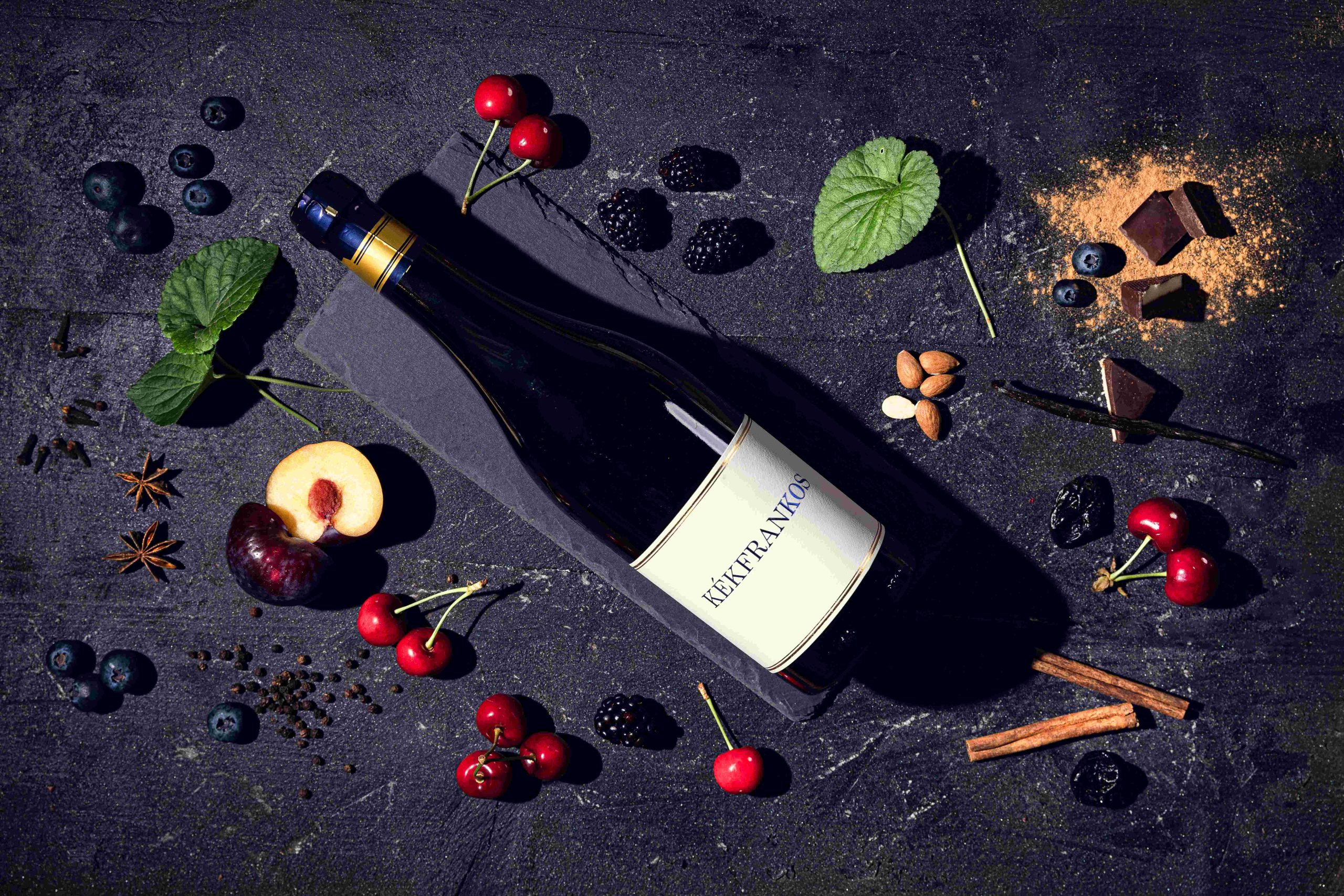
To what extent do current consumer trends—such as the demand for more elegant, fresher, and more restrained red wines—favor Kékfrankos?
I believe Kékfrankos has tremendous potential. Currently, one of the defining trends is a shift away from very rich, heavy red wines toward fresher, more structured wines, and Kékfrankos can certainly be a strong contender in this category.
In your opinion, what is needed for Kékfrankos to become a globally recognized benchmark—from both a Central European and a Hungarian perspective?
That’s not an easy question to answer. Perhaps it would be important to plant the variety on a larger scale outside of Europe as well. First and foremost, it would be essential for Central European winemakers—who grow this variety in different countries—to join forces and actively promote it together. This has already been partially achieved, but for it to truly become a globally recognized benchmark variety, it must also achieve international success and be planted in other regions, similar to Pinot Noir, Chardonnay, or Cabernet Sauvignon. At the same time, the question is whether Kékfrankos even needs this, or wants it. Perhaps the most important first step is to convince people of the variety’s merits, and through this, to promote the sale of Hungarian wines as well.
What potential do you see for Kékfrankos on the international wine market over the next 10–15 years?
As I mentioned earlier, I believe Kékfrankos has great potential. It’s important that we communicate about it, talk about it, highlight its advantages, and introduce it to the world within the context of Hungarian wine. This is how we can convince people of this variety’s merits, and I think it has a very good chance of becoming even better known and more recognized over the next 10–15 years.
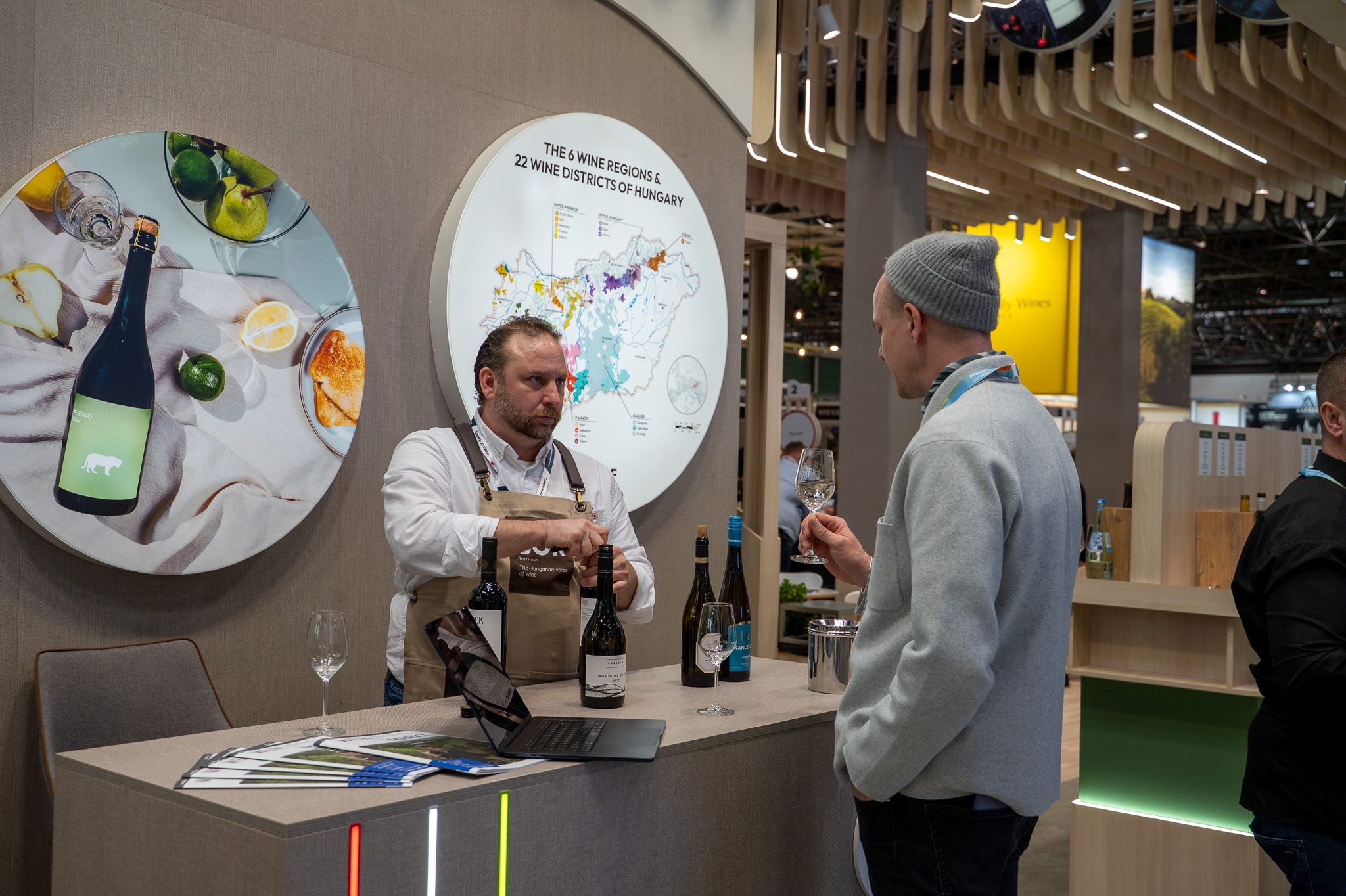
Photos: Wines of Hungary / bor.hu