Pannon Wine Region
Pannon Wine Region
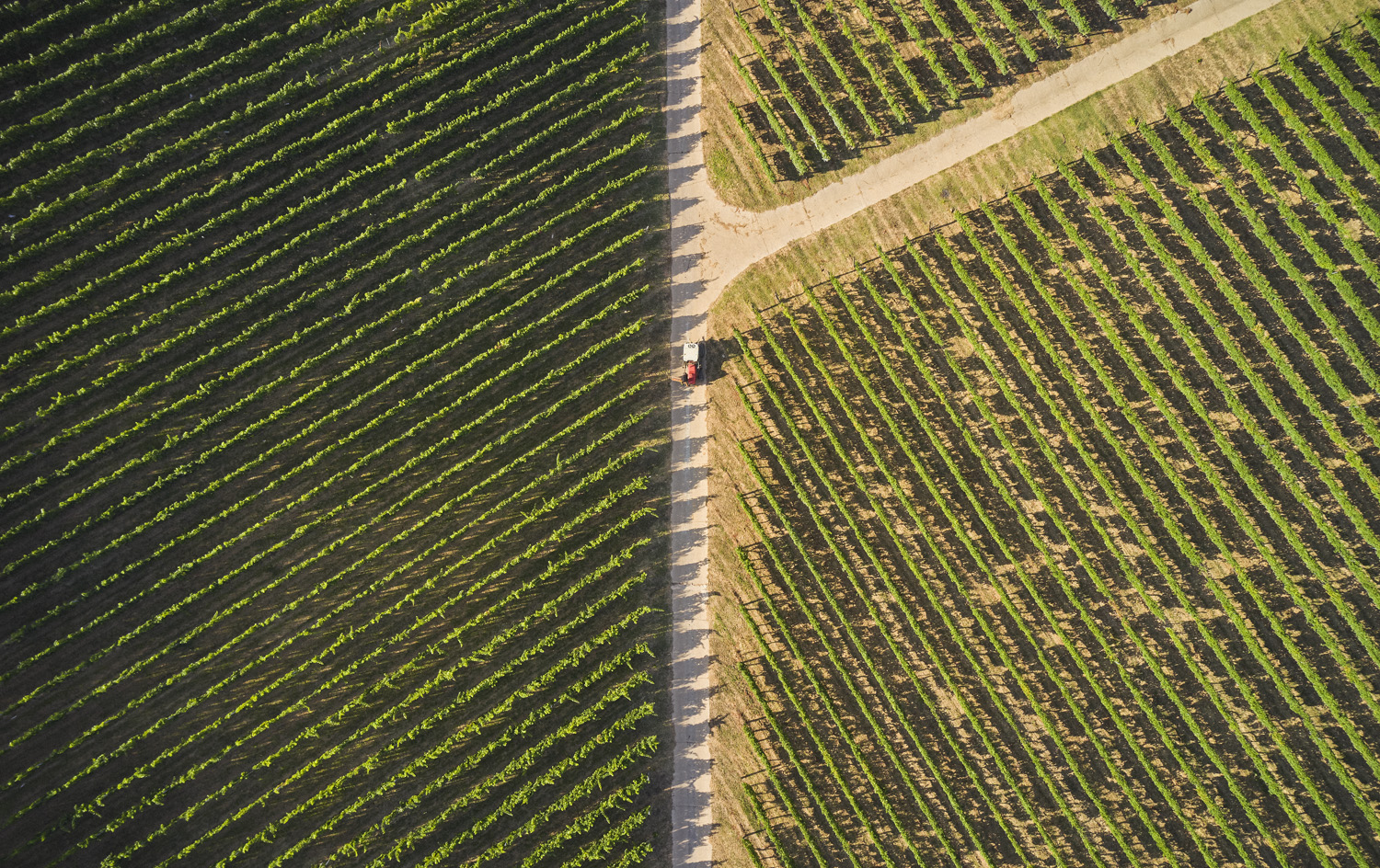
This includes the wine districts south of Lake Balaton – Pécs, Szekszárd, Tolna and Villány – with a total cultivation area of approximately 7,000 hectares. It consists of two large and two small wine districts, which is true even though the Tolna wine district is only slightly smaller than Szekszárd in terms of vineyard area.
The region presents a relatively uniform picture in terms of wine style, which is no coincidence. Looking at the map, you can see that their borders overlap here and there, and in some places, it is difficult to understand why one side of the road is a separate wine district. (We provide explanations for this in some places in the chapters on the wine districts.) Simplistically, the region’s soil is almost entirely loess, but this loess is capable of minor variations, with some areas being more calcareous and others more clayey.
The wine districts’ climates do not differ greatly from one another, but the sub-Mediterranean influence grows stronger as you head south and is strongest in Villány. Accordingly, black grapes become increasingly prevalent in the varietal composition. White wine areas still exist further north, but these decrease significantly as you reach Villány, although the western side of the wine district and its calcareous soil are also ideal for white wine. The region is therefore primarily a red wine producing area. Tolna and Szekszárd are rather characterised by Kékfrankos, while Villány is home to Bordeaux varieties, particularly Cabernet Franc.
The wine districts are also following a significantly different path to each other in terms of origin protection. While Villány and Szekszárd have sophisticated regulations and their own brands (Szekszárdi Bikavér and Villányi Franc), Tolna and Pécs have introduced the simplest possible regulations. Of the latter two, Pécs is giving real cause for concern, as there are hardly any wines with labels bearing its name, even though it is in no way inferior to Villány in terms of its characteristics.
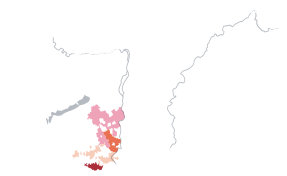
Winery districts of the region
Villányi Wine district
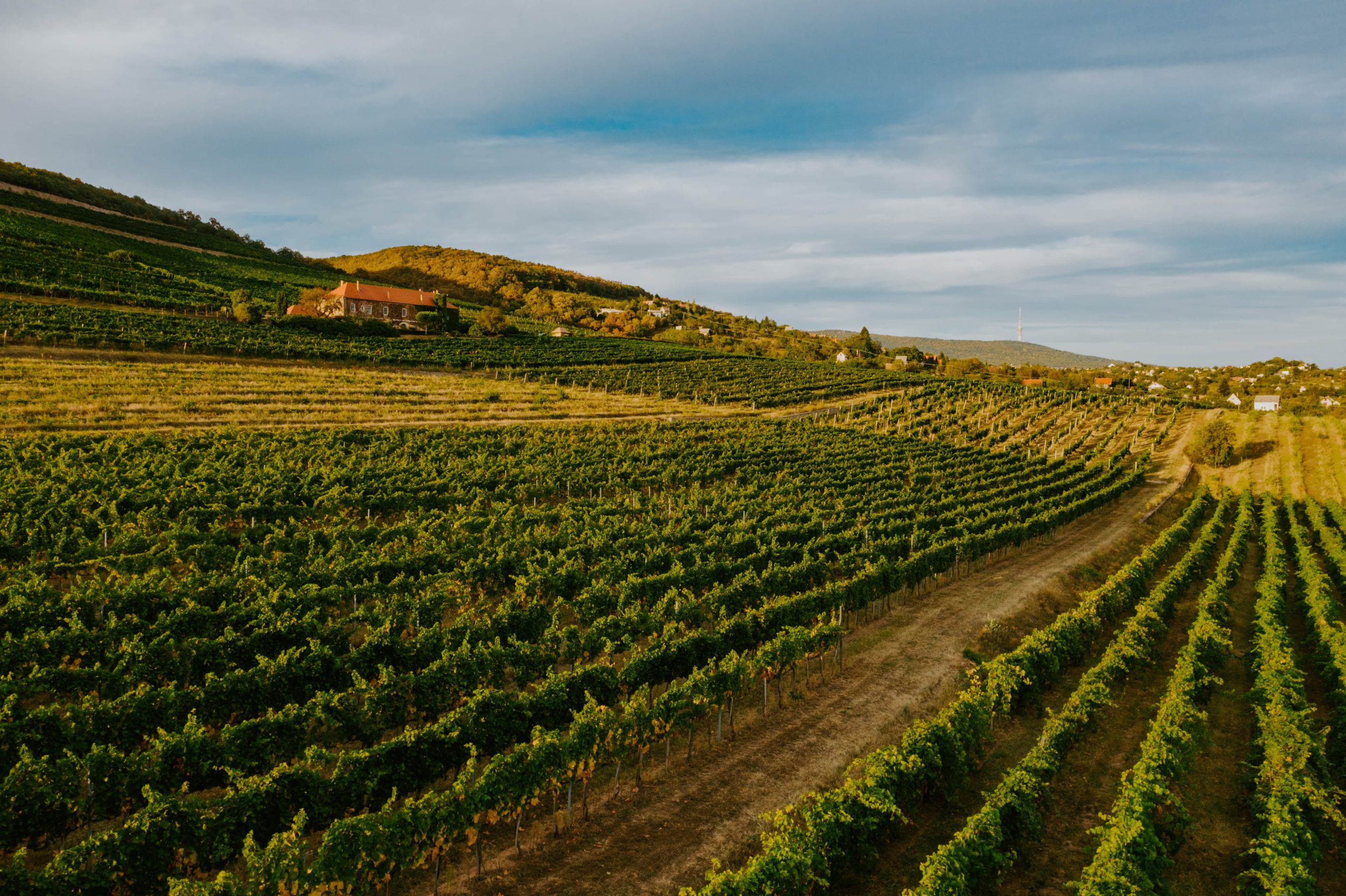
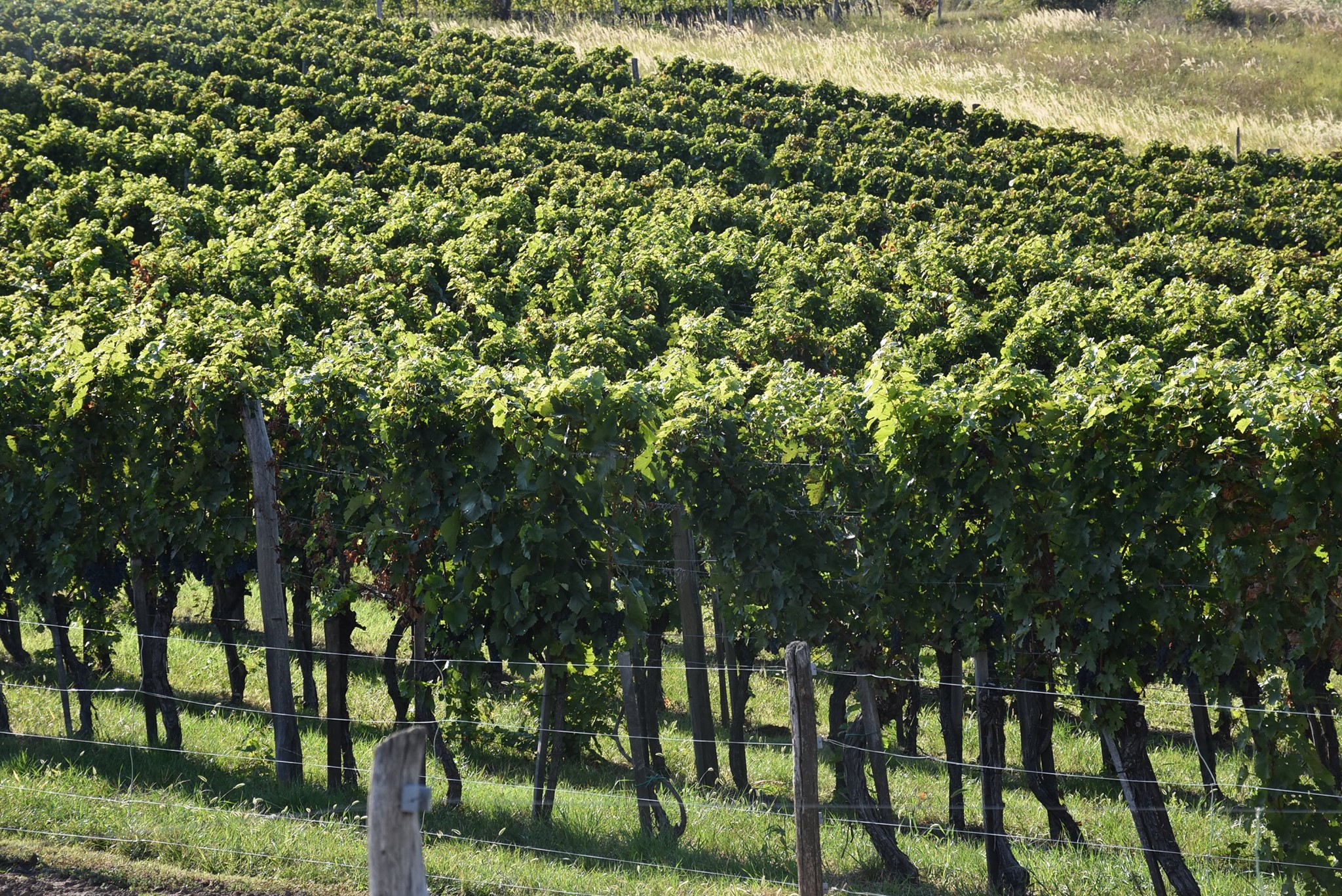
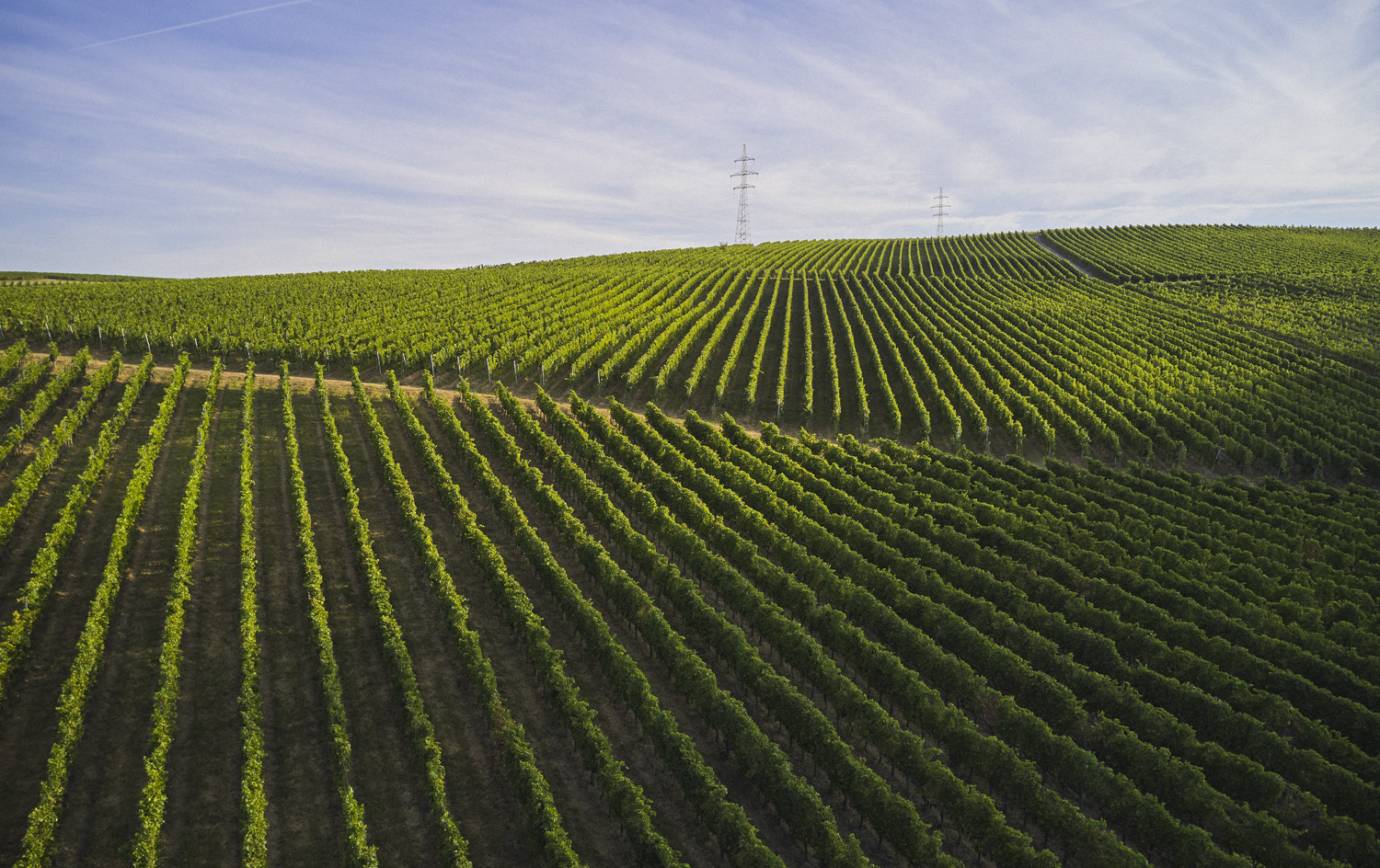
Villány is one of Hungary’s most unique wine regions. On the one hand, it is less exciting in terms of terroir than Sopron or Tokaj, but on the other, it boasts such a high-quality production culture that a significant proportion of Hungary’s single-vineyard wines come from here. Villány is undoubtedly the most mature wine region in Hungary in terms of both production conditions and origin protection, and this is immediately noticeable to wine tourists just by looking through the car windscreen. You will see impeccably cultivated vineyards and find exceptional order and discipline when visiting wineries. And it is precisely this high level of production culture that enables the wine region to express its terroir at a high level and to sometimes reveal even the smallest differences.

Learn morePécsi Wine district
From a long-term perspective, it is difficult to understand the difference between the Pécs and Villány wine districts. Their geographical proximity, similar climatic and soil conditions and shared history (they were considered a single wine region under the 1893 wine law) mean that they are not so much two different wine districts as one wine district. Perhaps there is only one thing where that is not the case: their production conditions differ significantly; thus, the Pécs wine district is increasingly lagging behind its more famous rival.
Learn moreSezkszárdi Wine district
Szekszárd is one of Hungary’s most historic wine districts with the richest traditions. It is also one of its most dynamically developing wine districts, at the forefront of modern winemaking and producing remarkable results even by international standards. The history of wine in Szekszárd includes ancient (Roman), early medieval (Benedictine), Turkish, Swabian, post-phylloxera, socialist collective and post-communist periods. Its most recent developments, namely the results of local cooperation, serve as an example for the entire Hungarian wine industry.
Learn moreTolnai Wine district
There is hardly another wine district in the world that was created out of fear, and moreover, recently, in the age of technocracy. The Tolna wine district was born out of fear of the Paks Nuclear Power Plant. This was based on the assumption – which, with the benefit of nearly three decades of hindsight, can confidently be called mistaken – that if the Paks vineyards belonged to the Szekszárd wine district, this would damage its image, devalue its wines and result in market disadvantages. However, Tolna has slowly integrated itself among the other 21 wine districts, and in consumers’ eyes, it has become known as the home of good-value-for-money wines.
Learn moreVillányi Wine district
Villány is one of Hungary’s most unique wine regions. On the one hand, it is less exciting in terms of terroir than Sopron or Tokaj, but on the other, it boasts such a high-quality production culture that a significant proportion of Hungary’s single-vineyard wines come from here. Villány is undoubtedly the most mature wine region in Hungary in terms of both production conditions and origin protection, and this is immediately noticeable to wine tourists just by looking through the car windscreen. You will see impeccably cultivated vineyards and find exceptional order and discipline when visiting wineries. And it is precisely this high level of production culture that enables the wine region to express its terroir at a high level and to sometimes reveal even the smallest differences.

Learn morePécsi Wine district
From a long-term perspective, it is difficult to understand the difference between the Pécs and Villány wine districts. Their geographical proximity, similar climatic and soil conditions and shared history (they were considered a single wine region under the 1893 wine law) mean that they are not so much two different wine districts as one wine district. Perhaps there is only one thing where that is not the case: their production conditions differ significantly; thus, the Pécs wine district is increasingly lagging behind its more famous rival.

Learn moreEvents
Domestic and international wine programs