
 English
  Magyar
Pécsi Wine district

History | National Geography

Vineyards | Origin protection

History
Viticulture in the Pécs wine district dates back to the Romans, thanks to Emperor Probus, who was born in Syrmia and lifted the ban on planting vines in the provinces. After the decline of the Roman Empire, the Avars continued to cultivate grapes, so when the Hungarians arrived in the Carpathian Basin at the end of the 9th century, they found advanced viticulture and winemaking practices, which they continued. This is attested to by several records, such as the founding charter of the Abbey of Pécsvárad.
During the reign of the Árpád dynasty, monks arriving from abroad were involved in winemaking; there are records of this in Pécs dating back to the 16th century. Red wine production came to the fore during the Turkish occupation, with refugees from the south bringing the Kadarka grape variety and the associated culture of skin fermentation.
The slopes of the Mecsek Hills already had names (Daindolok, Aranyhegy, Makár, Bálics, Donátus, Tettye) in the Middle Ages, and the potentates of the time competed for the right to sell wine, which generated significant income. In the 18th century, the Austro-Hungarian emperor granted depopulated villages to German settlers. Besides cultivating Kadarka, they also brought their own varieties. In 1780, Empress Maria Theresa granted Pécs the status of a free royal city, thus all wine shops and taverns became the city’s property.
The entire vineyard area in Baranya was destroyed by phylloxera (1887-93), and white wine varieties came to the fore once again during replanting. Act XXIII of 1893 still referred to the current Pécs wine district as part of the “Villány-Pécs wine region“. After World War II, the Pécs wine district was separated from Villány. Since then, the wine district has been constantly searching for its identity and character, but so far, it seems that only a few wineries have managed to emerge from obscurity. The Pécs University Wine Estate, however, is clearly striving to exploit every opportunity with a fresh approach.
Natural Geography
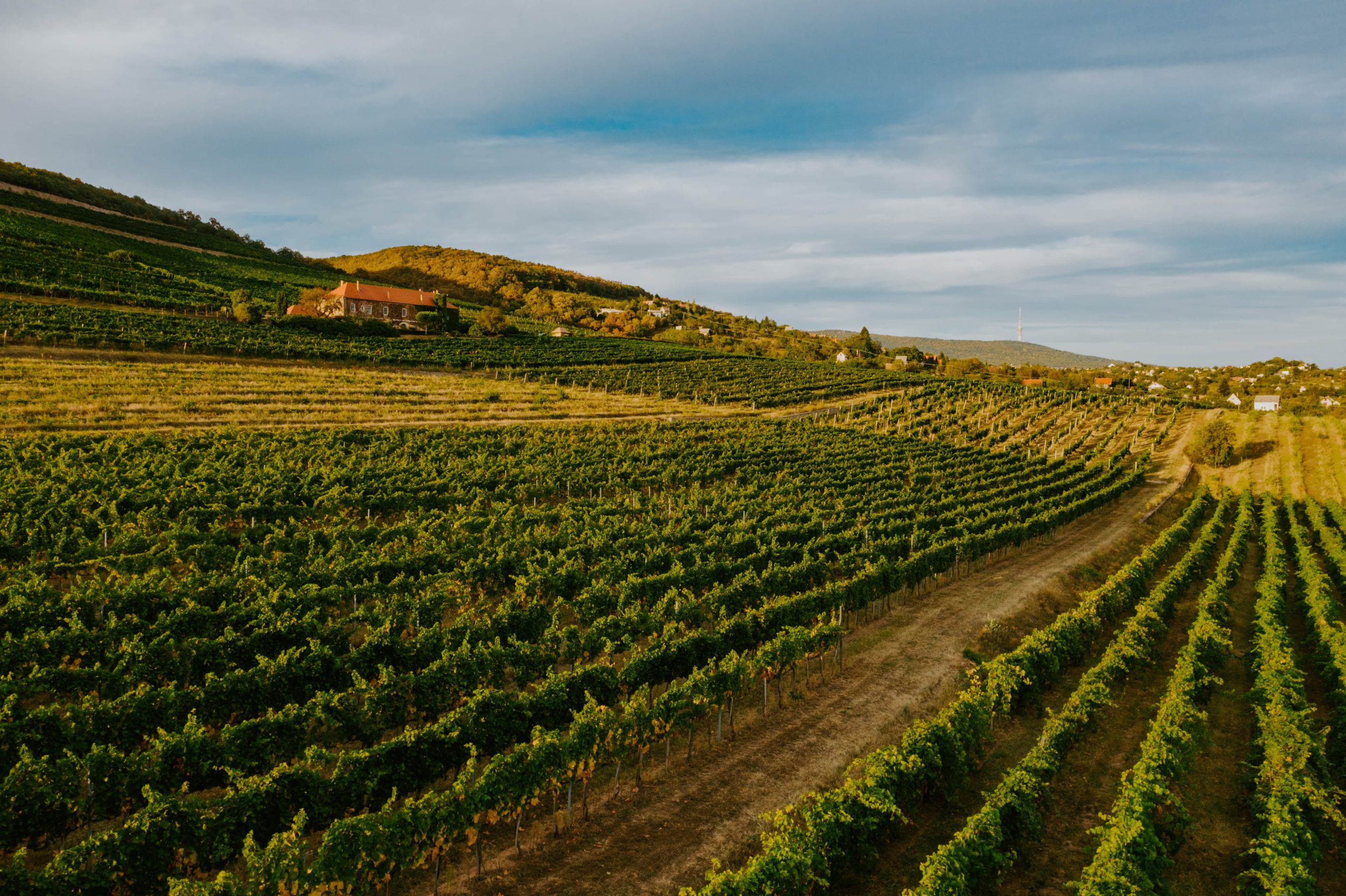
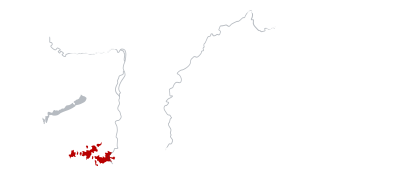
The Mecsek and Tolna-Baranya hills are among the southernmost parts of Hungary. The Pécs wine district is located in Baranya County, on the southern and southeastern slopes of the Mecsek Hills, which rise to over 600 metres in an east-west direction, on the similarly exposed slopes and plateaus of the hills around Szederkény and Mohács, and in the southeastern part of Zselic (geographical region). The wine district stretches approximately 80 kilometres from Dunaszekcső on the banks of the Danube in an east-west direction to Szigetvár on the border of Somogy County.
The coolness of the Mecsek Hills naturally has a significant impact on climatic conditions, yet the climate is sub-Mediterranean. Winters are mild, and warmer weather continues throughout the year. The Mecsek Hills block the flow of cold air, while the downward air movement has a beneficial effect on the health of the vineyards. Baranya boasts the highest number of sunshine hours in the country, at 2,000-2,100 hours per year. Annual precipitation ranges between 500 and 600 mm, which is well distributed on a multi-year average, but has become increasingly extreme in recent decades. Western airflows are typical, but southwestern fronts can also bring heavy precipitation in some years.
The soil structure is varied due to the relatively large size of the wine district. The vineyards within the Tolna-Baranya Hills are characterised by clayey brown forest soils, with only small areas of rendzina, chernozem brown forest soils and chernozems. The main soil-forming material in the Mecsek Hills is Pannonian Sea sediment, but Triassic limestone, Permian sandstone and clay shale also occur in higher areas, whereas loess is the dominant soil type in the Szigetvár and Versend sub-districts.
Vineyards
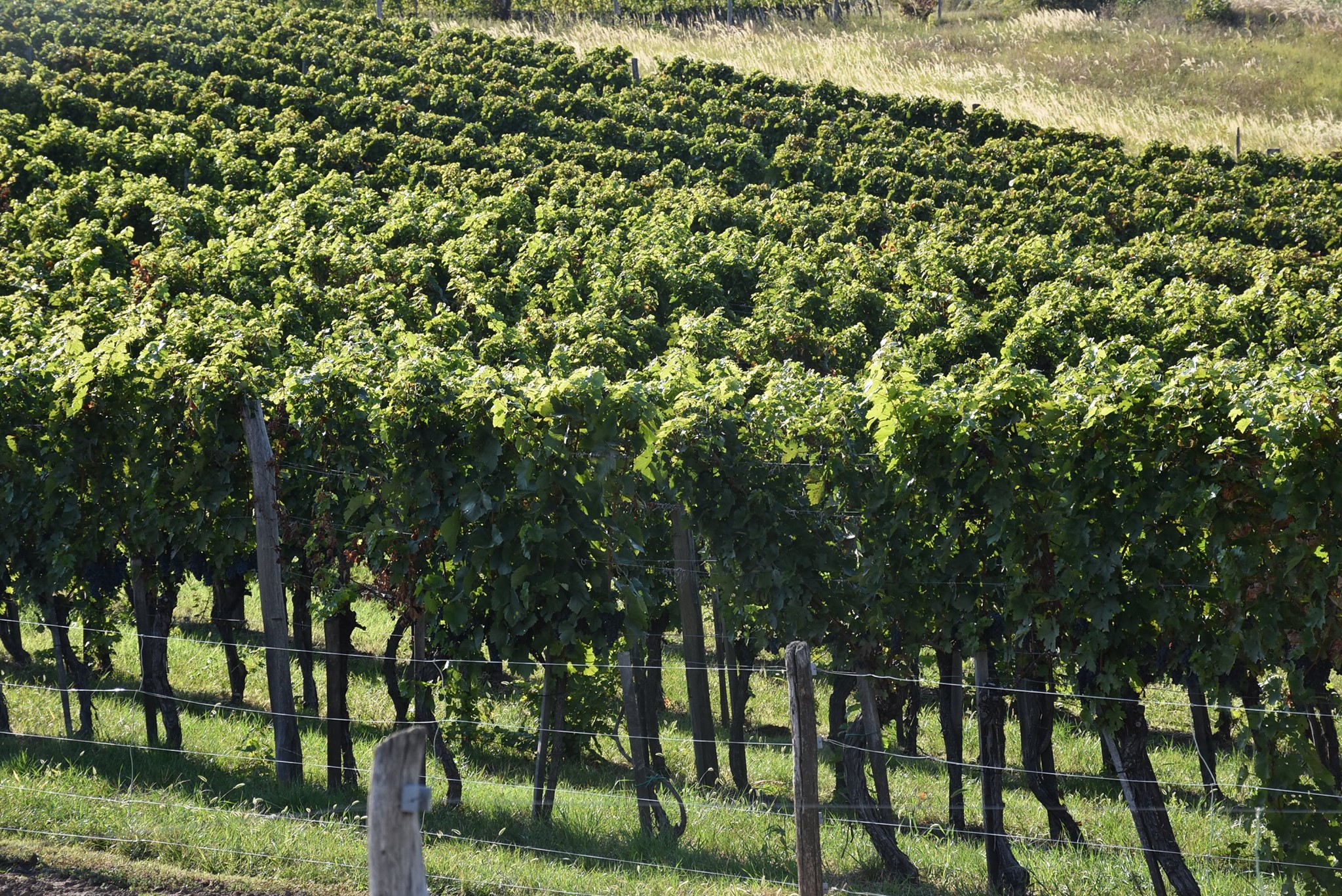
No vineyards are specified in the product specification for the Pécs wine district. Given that the wine district stretches 80 km from east to west, there can be significant differences between the growing areas. The easternmost part of the wine district is town of Mohács and its surroundings, known as the Versend sub-district. The vineyards of Mohács are spectacular. The small parcels are clearly visible from the main road, where there is no or very little commercial wine production. Csencsevár, thus far the wine district’s only vineyard indicated on a label is located here; however, it has not yet been included in the product specification. The total area under cultivation is around 70-80 hectares, with ideal south-eastern exposure and the Danube providing a tempering effect. The soil in the area is thick loess, similar to Bóly, a few kilometres away, where the sight of the cellar row also testifies to the significant vine cultivation of the era. The vineyards here tend to extend across flat countryside.
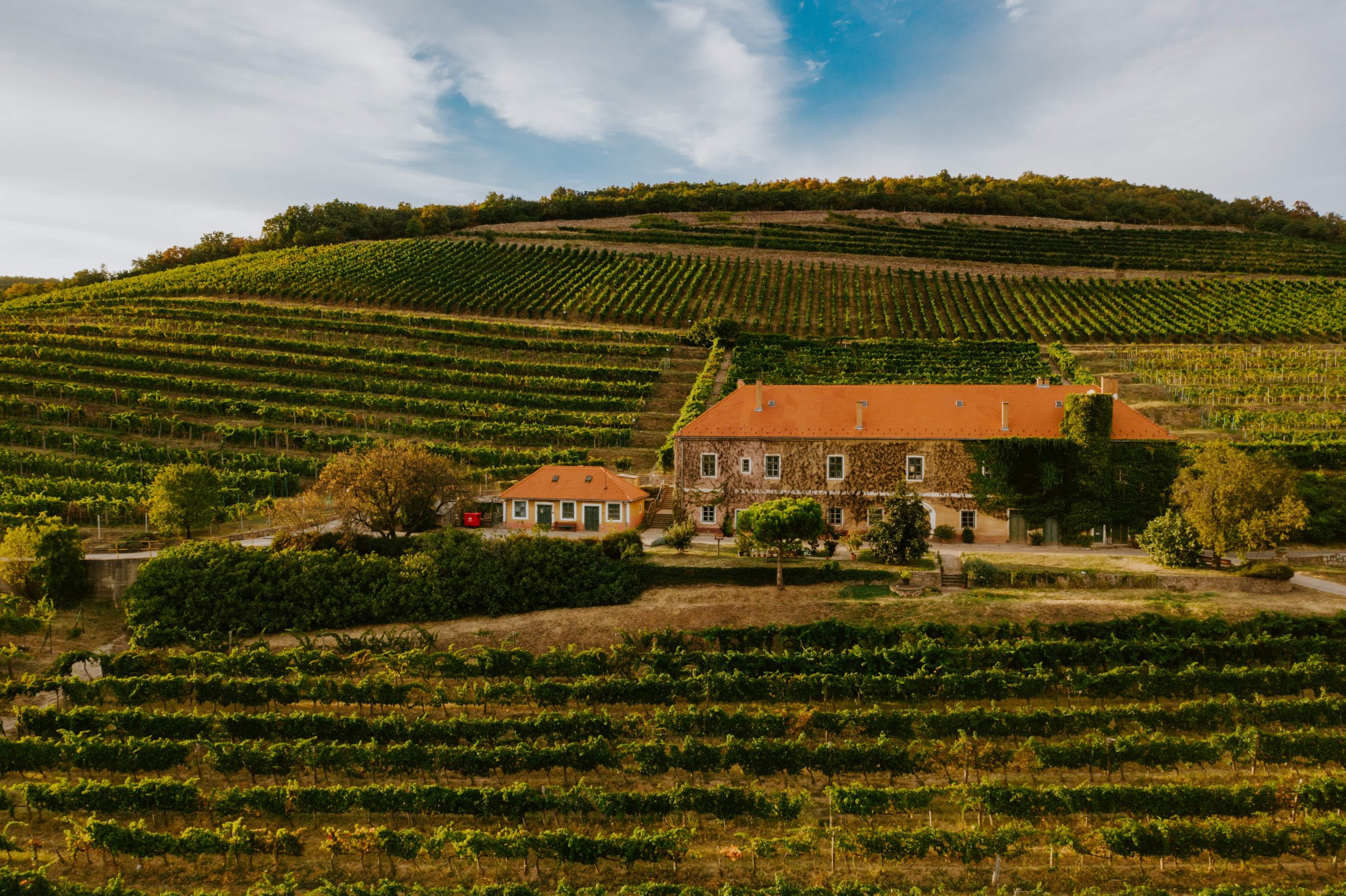
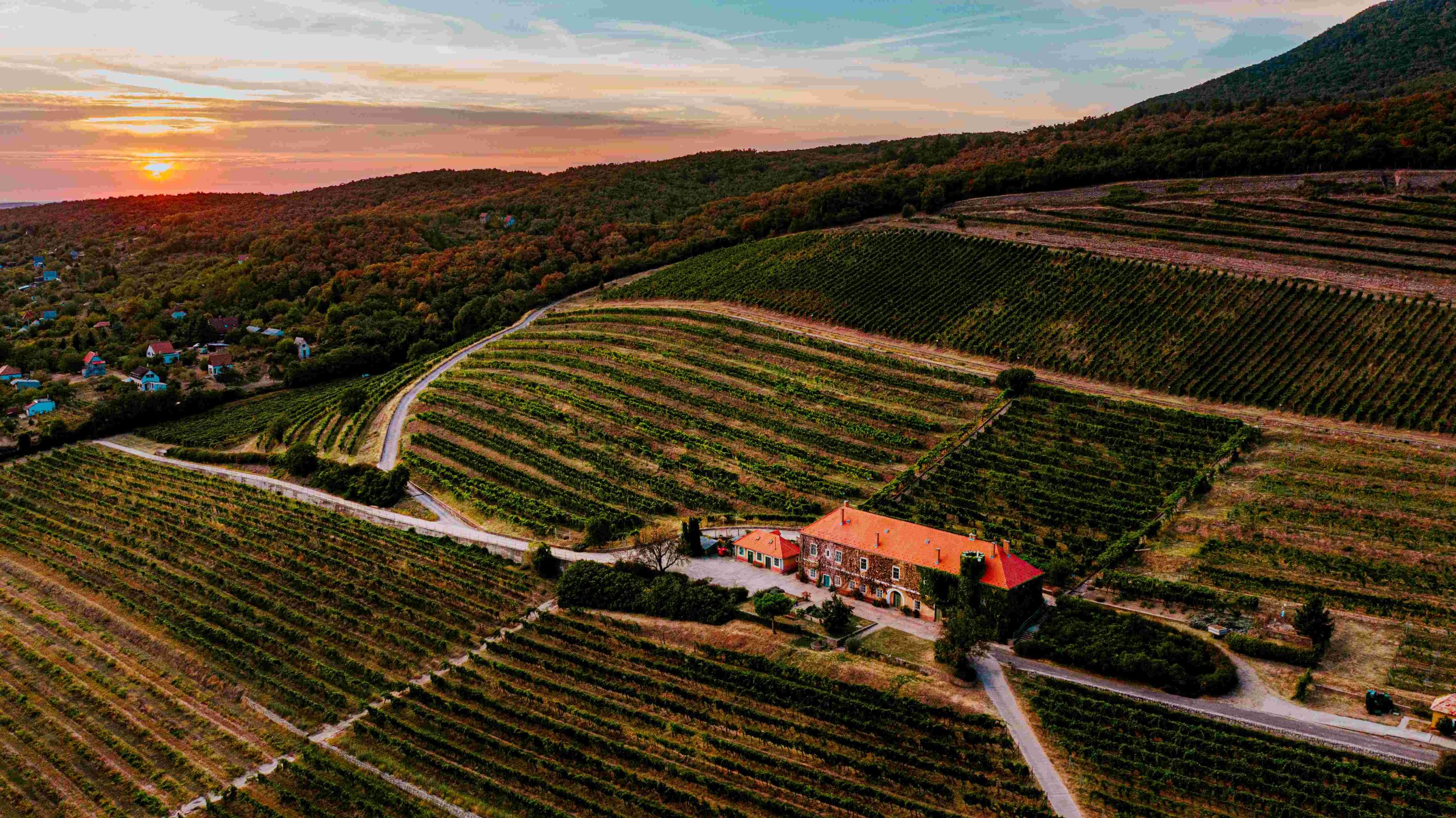
The city of Pécs was once surrounded by extensive vineyards, some of which can still be seen today, mainly on its eastern side. On the western side of the city, it is worth looking up at the hill, where, at first glance, the sight of 25 hectares of vineyards may seem strange, but this is no accident: it is the experimental vineyard of the Pécs University Wine Estate.
The largest vineyards in the Pécs sub-district are located on the outskirts of Hosszúhetény and Pécsvárad. The former has two vineyards, one on Hideghegy, while the other is an area protected by the 682-metre-high Zengő and the 603-metre-high Hármashegy. This is a true grand cru, with perfect southern exposure, excellent soil and an altitude of 300-380 metres.
Origin protection
Like many small wine regions, the initial product description for the Pécs wine district in 2012 did not stipulate stricter regulations than those in the wine law. This changed in 2016, when Siller was added to the list of wine types, along with sparkling and semi-sparkling wines, which can be produced in all three “colours.”





























































































































































































































































































Events
Domestic and international wine programs