
 English
  Magyar
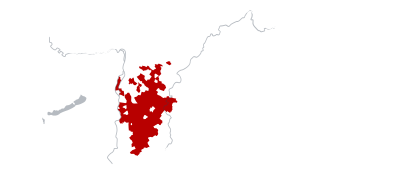
Kunsági Wine district

History | National Geography


History
The vineyards of Kunság appear quite regularly in various early medieval documents, mainly mentioning Csepel Island as an excellent growing area and an estate with royal privileges. King Andrew III (1265-1301) already mentions the area in one of his letters of donation. During the Turkish occupation, the importance of viticulture in the Great Plain was clearly demonstrated by the size of the various taxes levied on it. However, the region was later depopulated and deserted due to continuous wars, and the vineyards also disappeared.
Their rebirth only began after the expulsion of the Turks in the late-17th century, while the programme launched in the 19th century to bind the shifting sands played an important role in the subsequent boom. As part of this programme, more than 50,000 hectares of vineyards were planted before phylloxera, mainly in the Kunság.
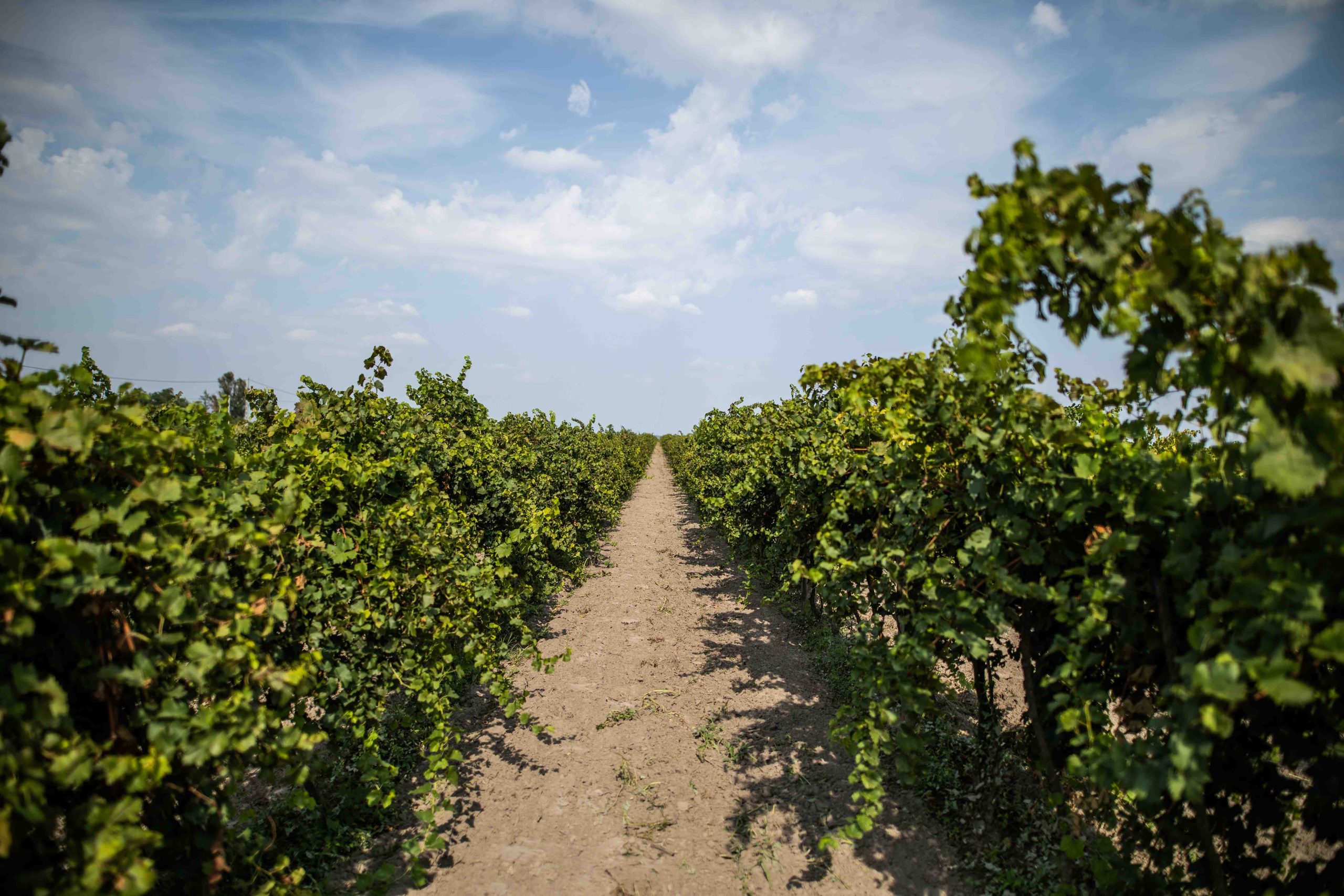
Phylloxera further strengthened the position of the Great Plain, as the aphid cannot survive in sandy soil with a high quartz content, thus triggering a huge planting boom in the region. Therefore, the Great Plain’s centre of viticulture was established with state support in Miklóstelep near Kecskemét in 1883. Between 1884 and 1898, this contributed some six million grapevines to the fight against phylloxera. Hundreds of hectares of vineyards were also established at this time, including the best known, Helvécia (Helvetia), created by Ede Wéber, whose name referred to Swiss capital investment. The vineyards in Izsák, Kiskunfélegyháza and Csengőd that are still known today were also established at this time, as were the wineries that grew up beside them. The Szigetcsép vineyards and cellars were first planted in 1889, while the cellar, built in 1907, was considered the most modern winery in the country. Their wines were mainly sold in Austria.
Large wineries were nationalised after World War II, but changes were only made to the production structure in the 1960s, with a shift to large-scale grape production and significant changes to the varietal structure.
In the years following the regime change, artificially enlarged state estates were broken up, and a significant reduction in land area began after joining the European Union. However, thanks to the new opportunities that arose, the remaining wineries have since then been undergoing modernisation, a change in cultivation methods and concentration of vineyards.
Another interesting experiment aimed at making small producers in the region competitive is the planting of resistant grape varieties, most of which have been bred in Hungary, as this allows them to overcome the market advantage of certain dumped wines through organic farming, with low cultivation costs and relatively high crop reliability and yields.
Natural Geography
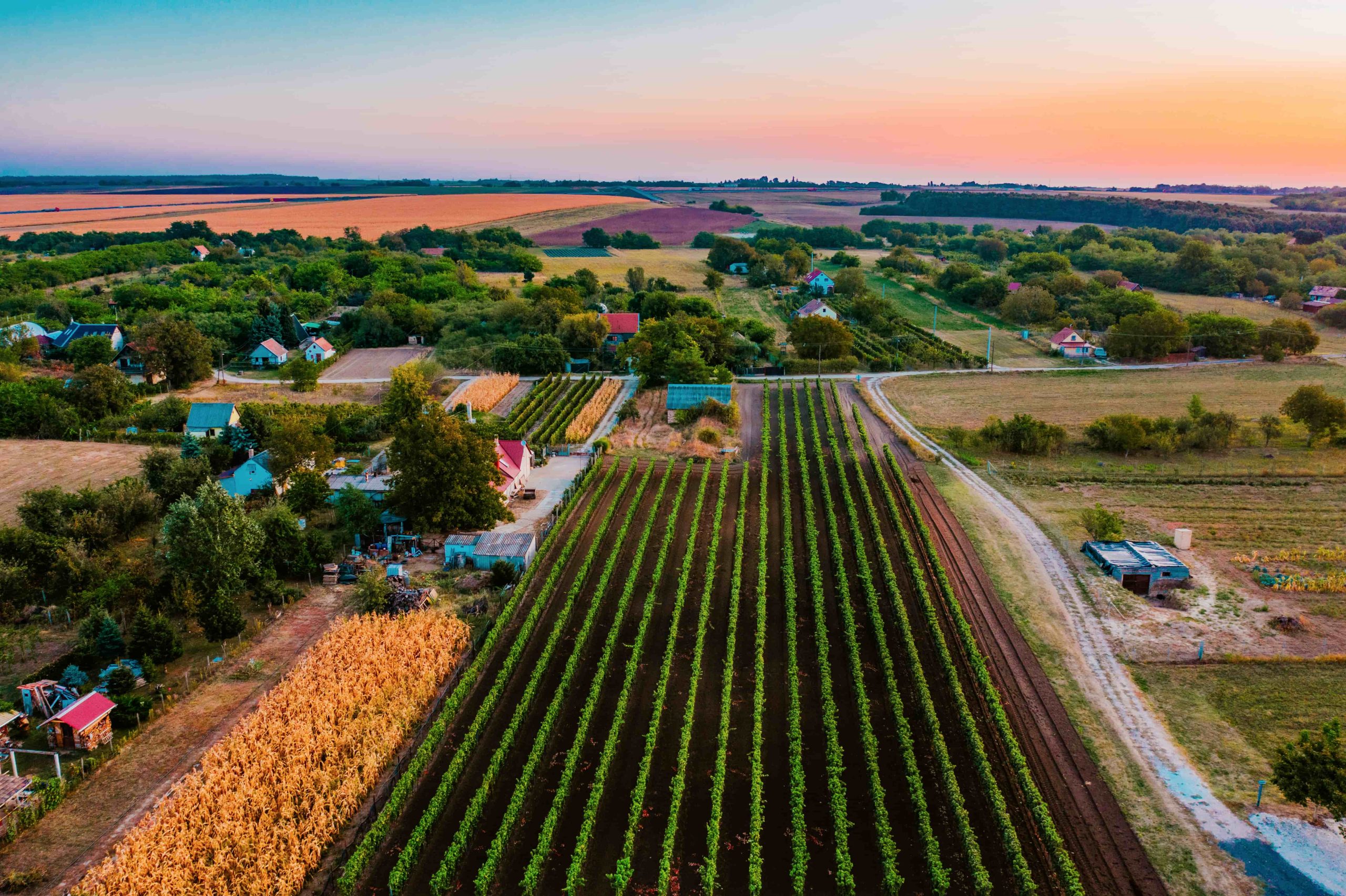
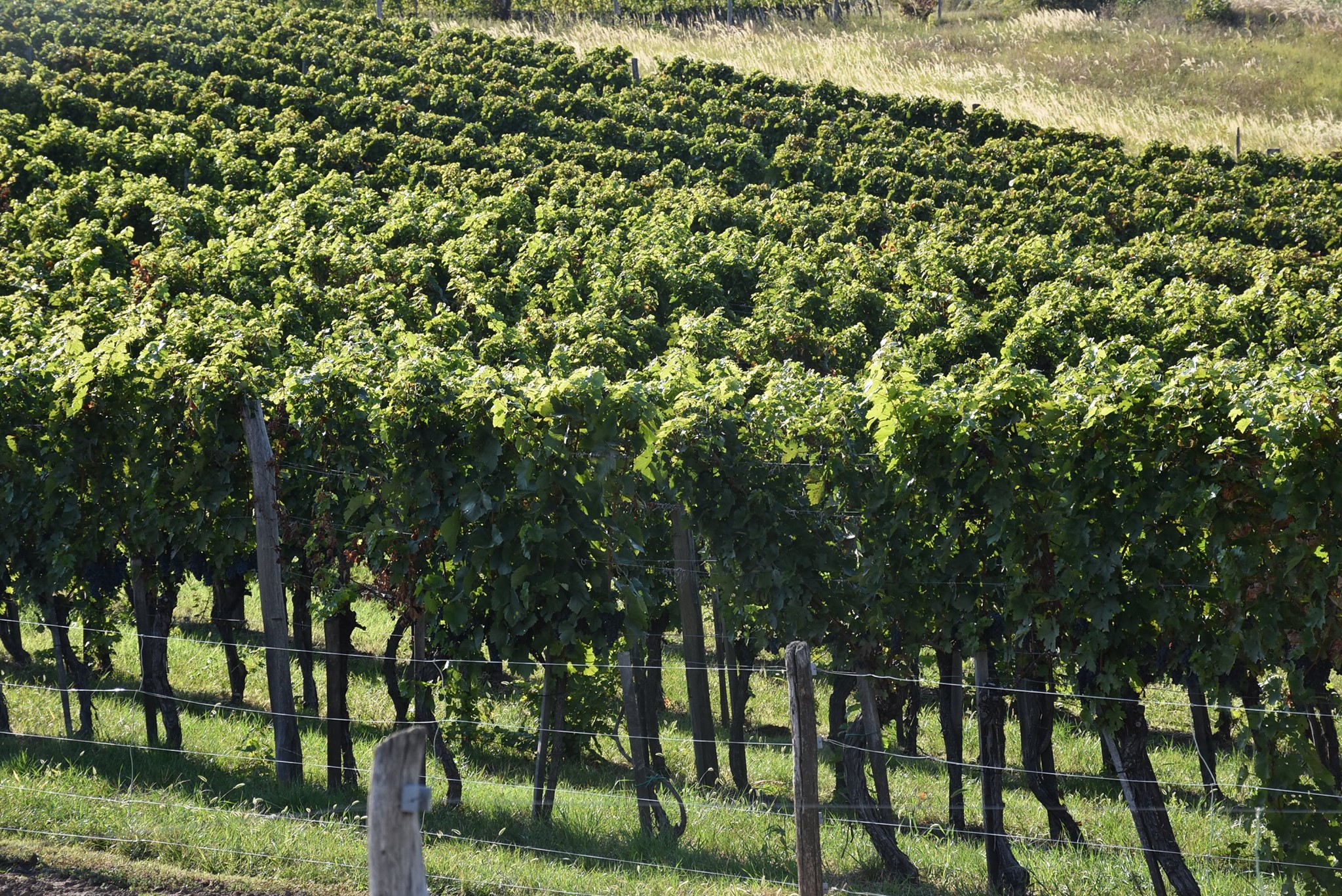
Due to its vast size, the Kunság wine district has very diverse soil composition. Most of the wine district is located between the two great rivers, the Danube and the Tisza, but it also includes the Gödöllő Hills and parts of Csepel Island further north. The area is essentially flat, with an altitude of less than 150 metres above sea level and negligible differences in elevation.
However, if we examine smaller geographical areas, we see a very diverse picture, a mosaic of landscapes that differ in terms of their origin, rock composition, soil type and water management. It is characterised by a slight slope from the peripheral areas, mainly due to the filling action of rivers and, to a lesser extent, the wind.
In general, areas below 100 metres are mainly current and former floodplains, most of which are perfectly flat, while the higher areas are covered with loess or sandy ridges formed by the wind. In floodplain areas, sediment (clay, sand and gravel) from former and current rivers evens out the surface, but this is often accompanied by the highly acidic decomposition of organic matter that comes to the surface, which leads to leaching and, consequently, acidification of the soil. The soil formations of the loess plains are mainly chernozems, but there are also calcareous chernozems, leached chernozems and alluvial chernozems in the wine district. Brown forest soils can also be found on thick loess ridges on the higher ground (around Monor). Sandy soils are characterised by the fact that they heat up quickly and reflect sunlight better, yet also have a lower mineral content and poorer water retention capacity than other soils.
The area’s climate is continental, with low (500-600 mm) and unevenly distributed rainfall, which leads to frequent droughts. There are significant daily and annual temperature fluctuations, and grapevines are often scorched by the sun on hot days in summer, while frosts in autumn and spring also cause serious damage. Annual solar radiation is very high, above the national average.






























































































































































































































































































































Events
Domestic and international wine programs