
 English
  Magyar

Danube Wine Region

Danube Wine Region
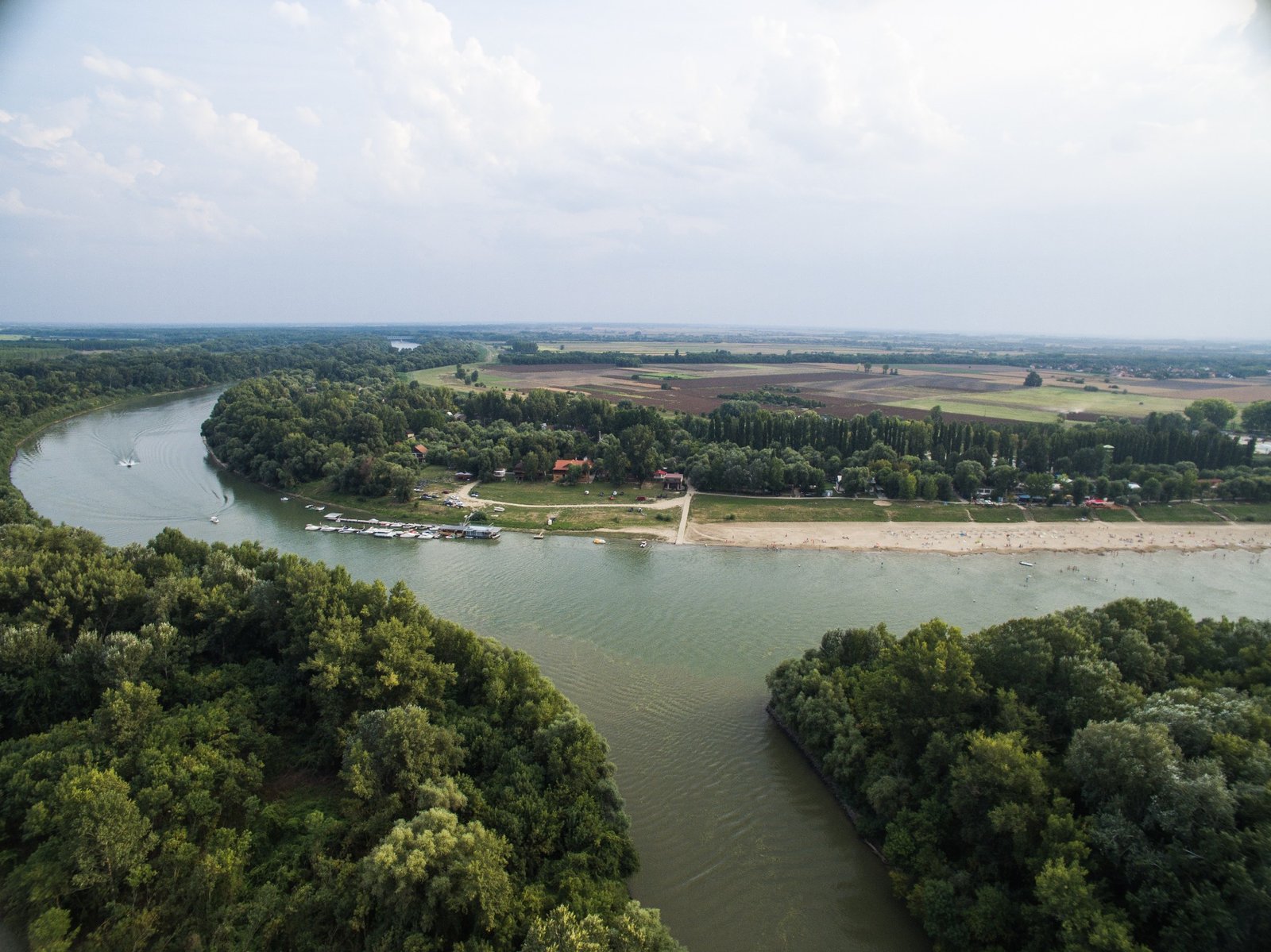
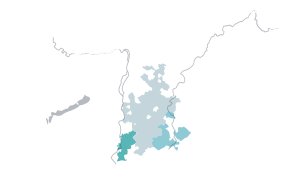
The Danube wine region was created in 2006 through the cooperation of three wine districts on the Great Plain: Csongrád, Hajós-Baja and Kunság. By then, there was already a strong team of winemakers who were able to work together and had a vested interest in resolving the negative connotations associated with wines from the Great Plain following the turbulent years after the fall of communism.
The whole production area of the Danube wine region accounts for 35-40% of Hungary’s vineyard area, and due to higher-than-average yields, the proportion of grapes produced is even greater. Thus, it is important that these wines are clean, produced using modern technology and precise, because these are the wines that consumers will encounter most often. The necessary technological developments took place after Hungary’s accession to the European Union (2004), and by the 2020s, the wines of the Danube wine region had established themselves among the other wine regions in terms of quality.
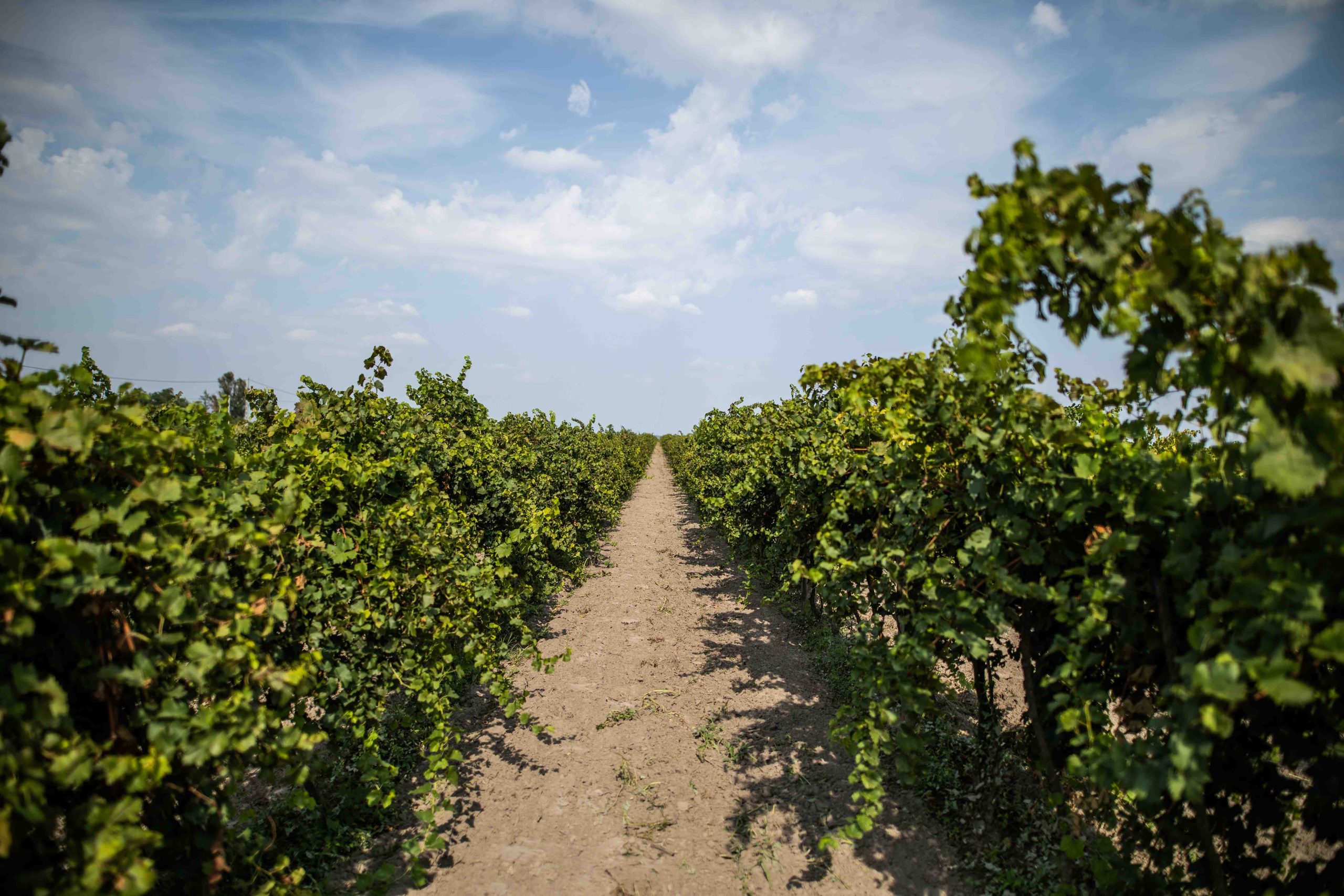
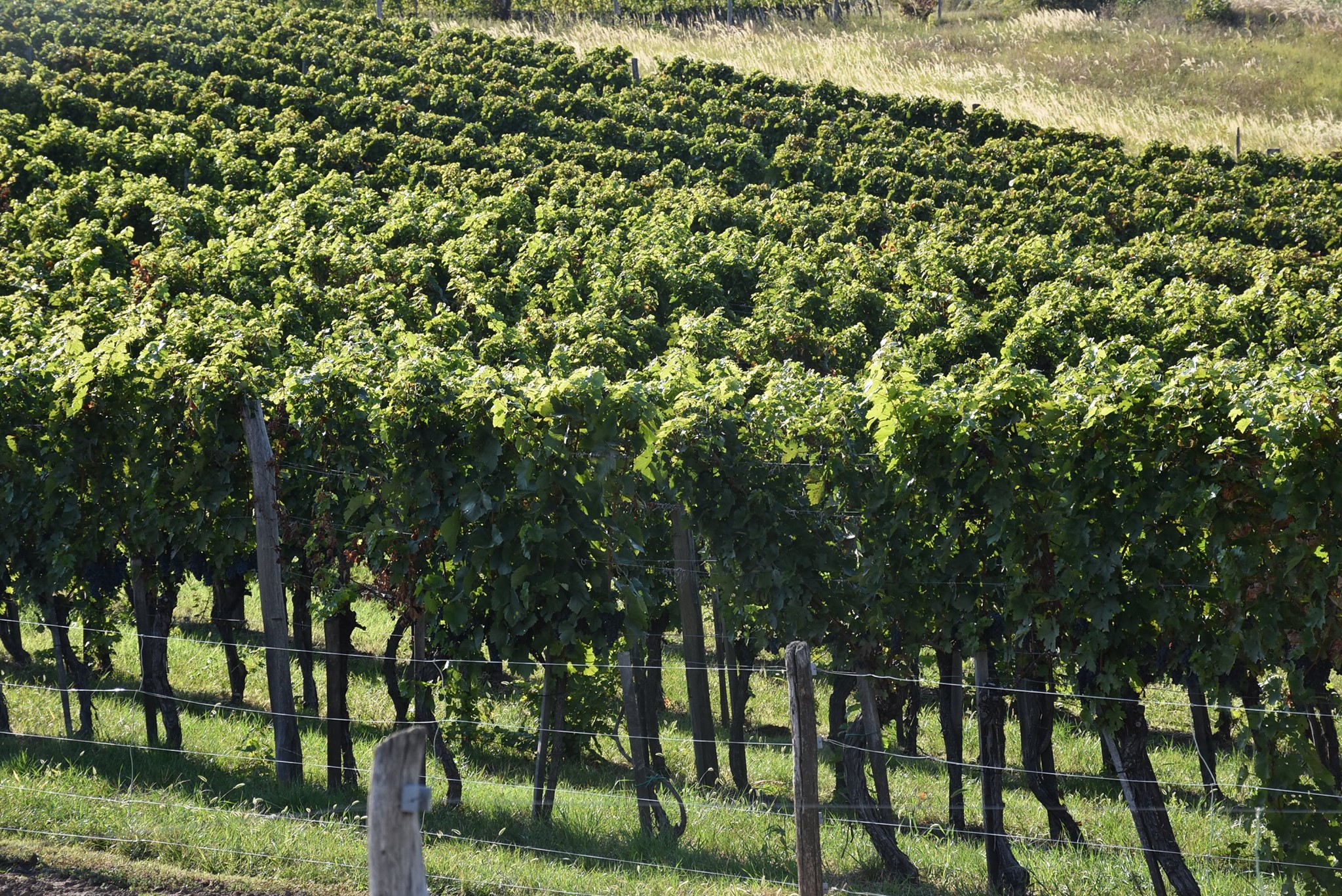
The entire region’s climate is essentially continental, resulting in particularly warm summers, but also occasional cold winters, which often bring the risk of frost due to its low altitude above sea level. At first glance, the soil appears to be uniform sand, but this is not the case at all. Clayey layers rich in lime and silicate also enrich the picture especially in its southern parts.
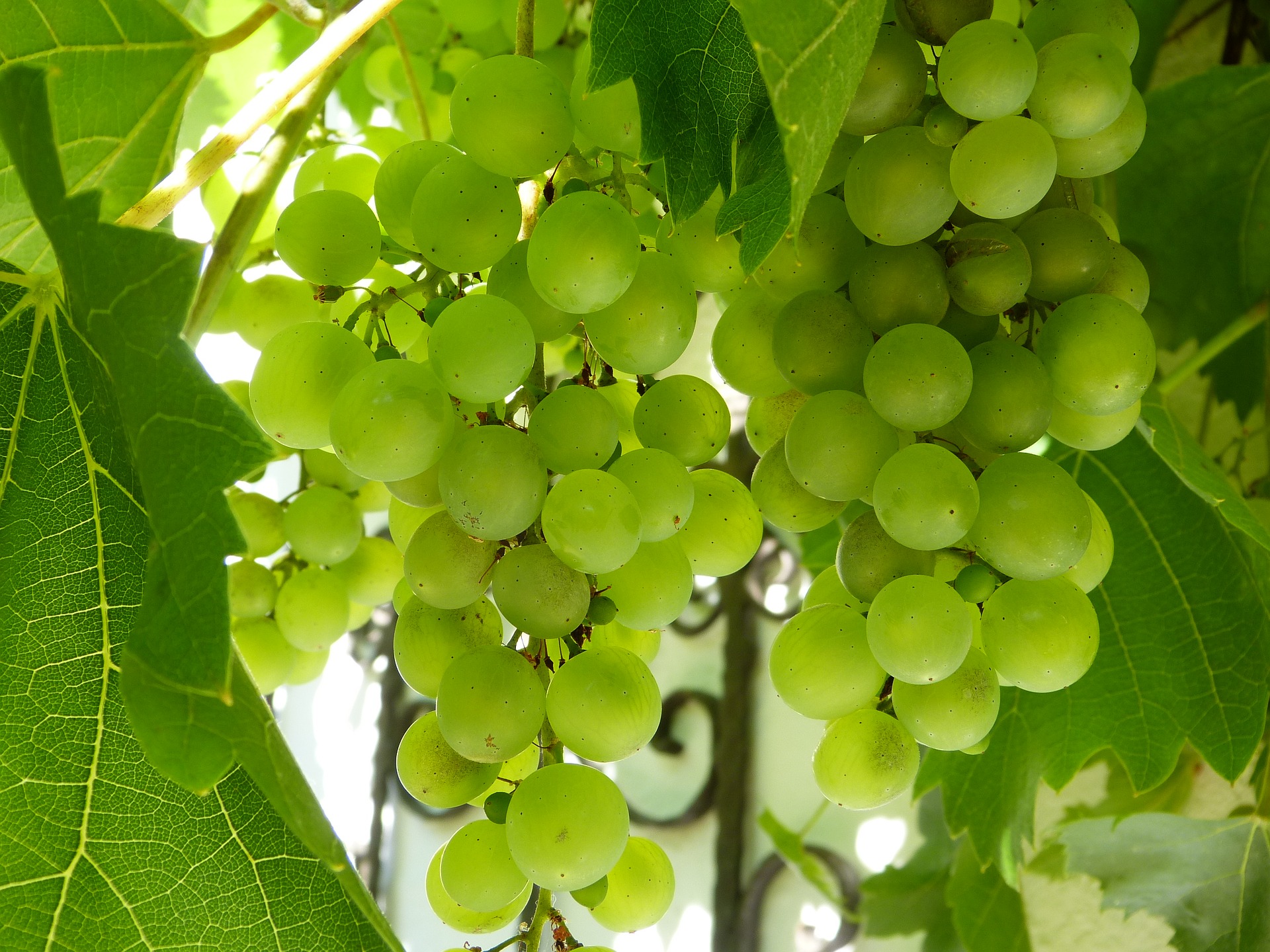
The region is primarily the birthplace of fresh, crisp, everyday wines, mainly white, while Kadarka and Kékfrankos have been the most successful in terms of reds, with the latter being used to make most of the region’s rosés. Besides Irsai Olivér, Cserszegi Fűszeres, Generosa and Ezerjó, Bianca is being cultivated on an increasingly significant scale. As a resistant variety, thus not susceptible to fungal diseases, it can be produced more economically than other varieties.
The Danube wine region is clearly one of the fastest growing wine regions in Hungary, and the determination and ambition of the producer communities is well demonstrated by the fact that, in addition to the wine region’s origin protection systems, they have also established several small PDOs: Monor PDO, Soltvadkert PDO and Izsáki Arany Sárfehér PDO.
Winery districts of the region




















































































































































































































































Events
Domestic and international wine programs