
 English
  Magyar
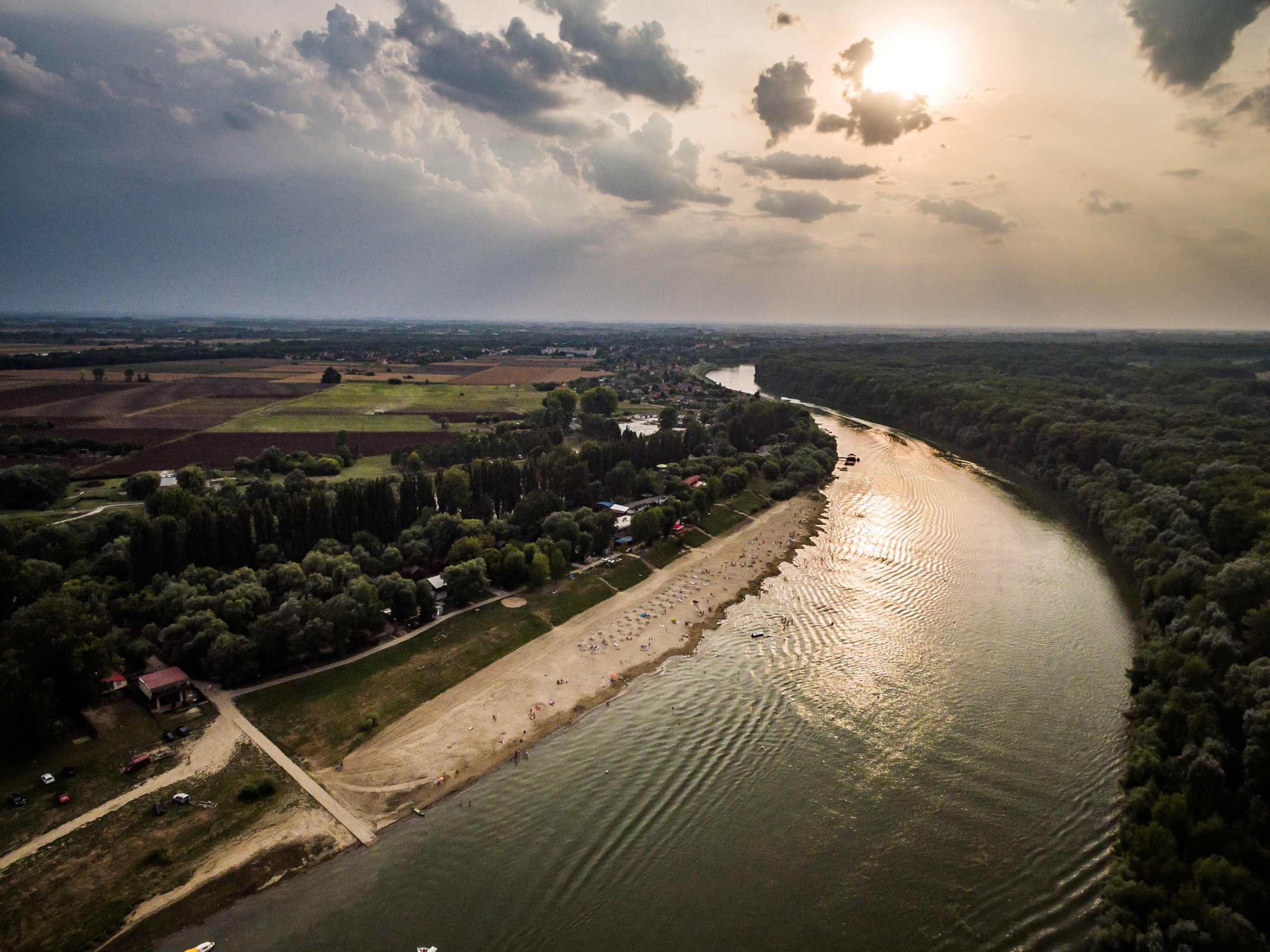

Csongrádi Wine district

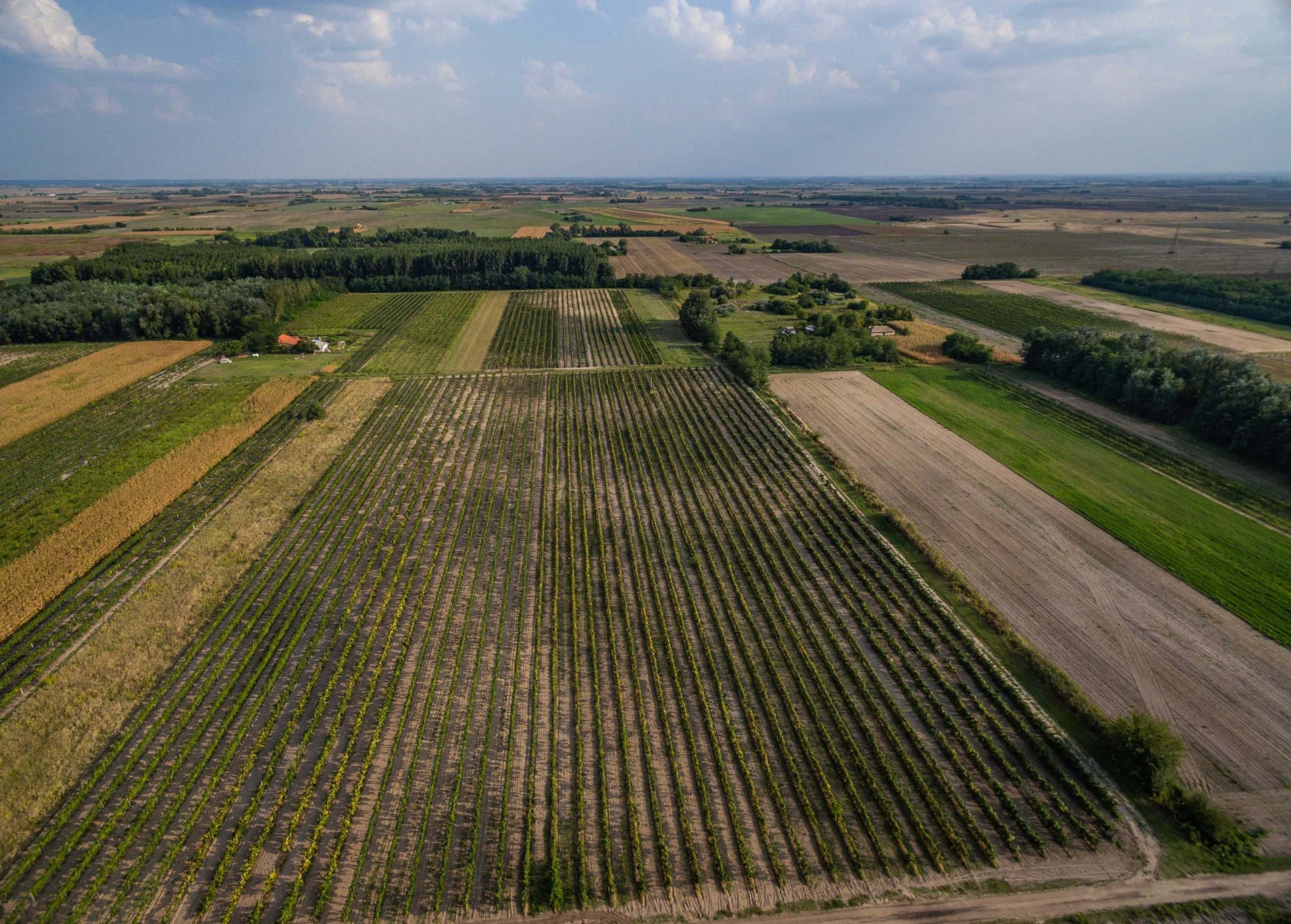
History | National Geography

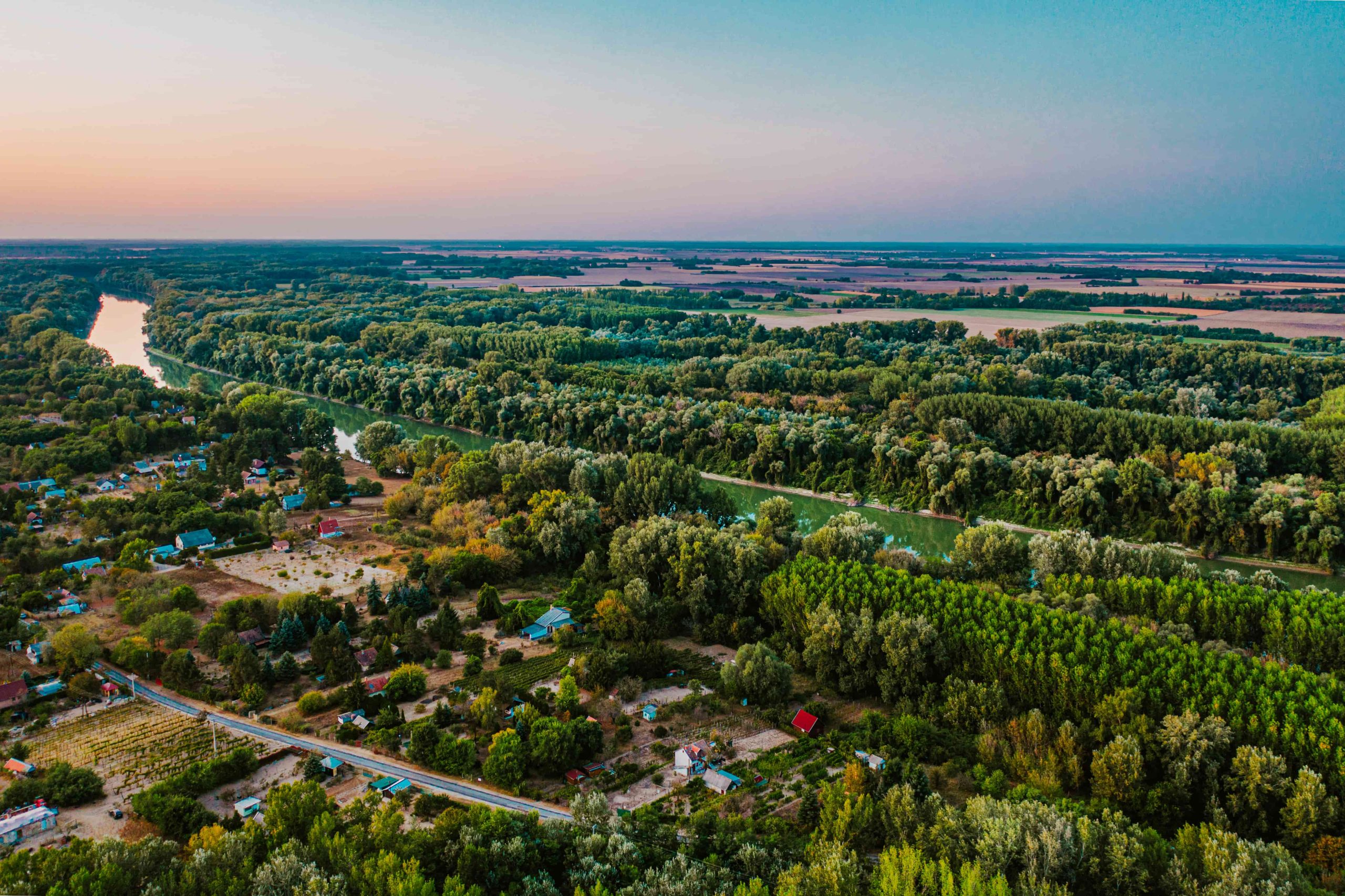
Vineyards | Origin protection

History
The vineyards near the village of Tiszaalpár are mentioned in a document dating back to 1075 (this area is now part of the Kunság wine district), However, it also seems certain that animal husbandry was the main agricultural activity in these areas in the period following the arrival of the Hungarian tribes in the Carpathian Basin (9th century). During the great king of Hungary Matthias’s reign (1458-1490), the citizens of Szeged mainly owned estates in the wine region of Syrmia, located in what is now Serbia. After the Turkish conquest (16th-17th centuries), not only the people of Syrmia suffered, but the flatlands of central Hungary, the Great Plain, were also almost completely depopulated, with people only remaining in the large cities.
Names of several vineyard owners from Szeged have survived from this period, indicating that viticulture did not die out completely under Muslim rule. Records of wine prices from that period have also survived, proving that the Muslims tolerated the wine trade. The records also reveal that wines at that time were treated with ginger, cloves and other flavourings, although it is unclear whether this was due to public taste or the extremely poor quality of the wines.
Phylloxera (late 19th century) decimated half the vineyards in the area in the late-19th century, and the price and quality of wines plummeted after replanting. The legacy of the agricultural cooperatives established during the communist period after World War II is still clearly visible today in the concentration of vineyards. Thus, the hubs of the wine district are Mórahalom-Ásotthalom, Csongrád-Bokros, Hódmezővásárhely-Sóshalom and Kistelek. The centre of the wine district has been moved to Csongrád, which is logical, since a significant proportion of small producers farm here, and the wine district is also named after the town.
The wine district never really found its feet following the collapse of communism, although there is cause for optimism in the appearance of several new wineries and young producers in the Szeged and Csongrád areas. They are producing promising wines that are being showcased at cellar tastings and the famous Szeged Wine Festival.
National Geography
The Csongrád wine district stretches along the lower reaches of the Tisza River for about 100 km. It is bordered by the Danube Tisza Interfleuve Homokhátság region to the west and north, the Maros-Körös interfleuve region to the east and the national border to the south (as are the other two wine districts). The altitude above sea level barely exceeds 100 metres in most areas and remains below 120 metres everywhere. The vineyards here are mainly characterised by sandy loam soils formed on alluvial soils, with a smaller proportion of brown forest soils and chernozem. The wine district can be broadly divided into two types: the former riverbeds of the ancient Danube and the sand-covered areas. A good example of the latter is the Ásotthalom region, where sand ridges with a relative height of 3-8 metres are located 4-500 metres apart on a northwest-southeast line. The water-impermeable clay layer here extends 4-8 metres deep beneath the loose sandy soil. Along the Tisza, areas that were once covered with water alternate with former dryland with dunes. Here, small and medium-grained river sand has been deposited on top of 2-3-metre-thick layers of meadow clay.
The number of sunshine hours here is the highest nationwide (2,200 hours), and in some years, Mediterranean influences can also be felt in the continental climate. Precipitation is relatively low (450-500 mm) here, but the rivers that cross the area (Tisza, Körös, Maros) have a favourable effect on soil moisture and a positive influence on air humidity. The lack of rainfall can be catastrophic during drought years, with as little as 10 mm of rain falling in July. May frosts also cause severe damage, although in recent years, due to climate change, there has been less spring frost damage and more severe summer droughts.
Vineyards
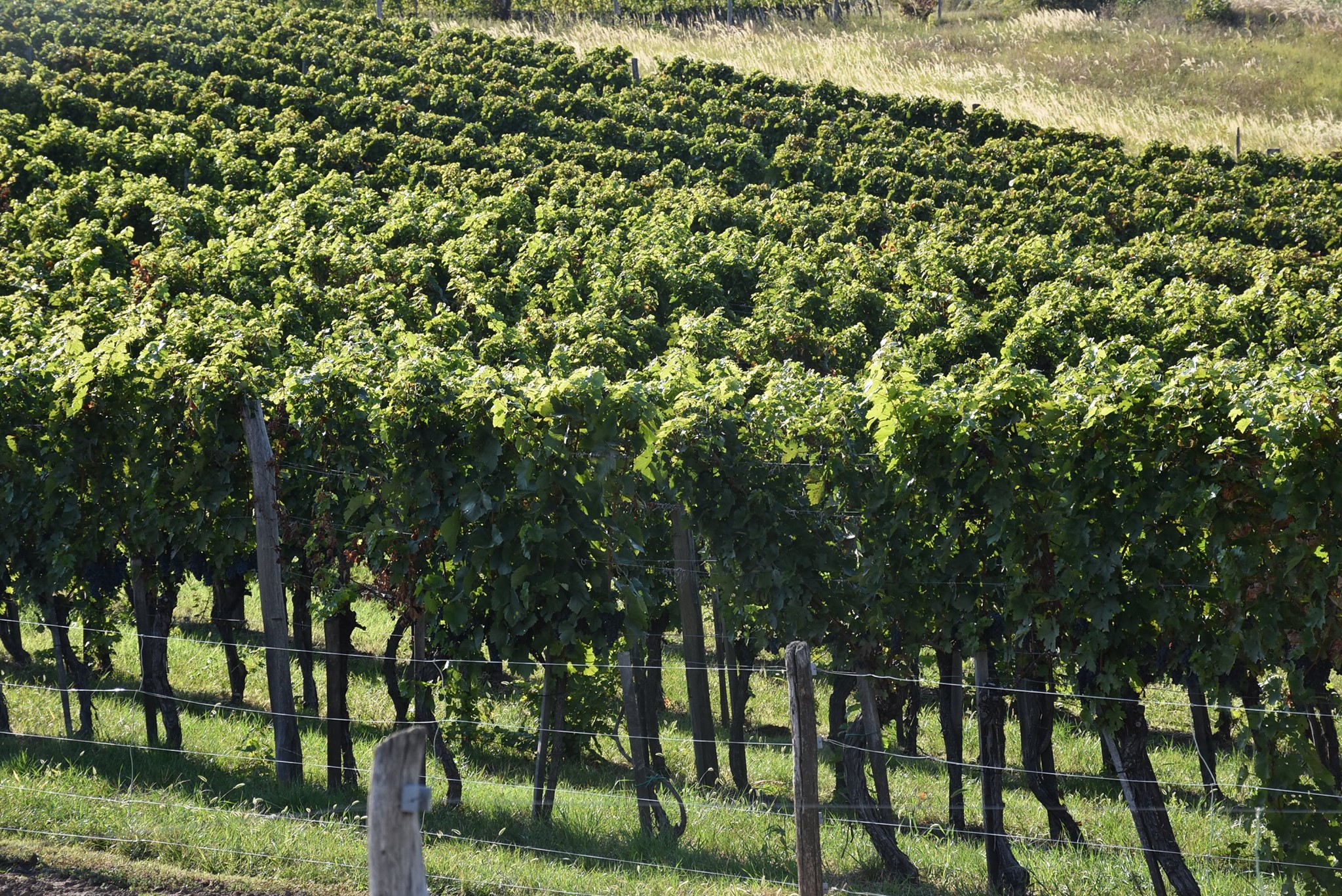
The wine district’s sub-districts clearly define their growing areas, but the wine district does not delimit specific named vineyards. Bokros, which now belongs to Csongrád, was once the floodplain of the Tisza River. Therefore, the surface here is mainly covered with young alluvial sand. Initial attempts were made to regulate this with bushes planted around the wells (hence the name). This is a red wine district through and through, where you can find some truly amazing Kadarka and Kékfrankos. Sóshalom near Hódmezővásárhely is a permanently elevated dry area consisting of the former floodplain of the Tisza River and the flooded areas of Lake Hód, where the loess substrate is also covered with sand. Nowadays, this is all that remains of the old vineyards of Hódmezővásárhely, which are now mostly preserved in the names of the town’s districts. Mórahalom and Ásotthalom, on the other hand, preserve Szeged’s old sandy vineyards. It is important to note that the wine district continued, and still continues, on the other side of the border, where its wines are becoming increasingly well known. Moreover, some 100-120-year-old Kadarka vineyards have survived the turbulent years and are once again producing wine from their old vines. Vines from which soldiers leaving for World War I drank their last sip of wine at home, produced from vines already over 40 years old.
Origin protection
The Csongrád wine district has not formulated any regulations beyond the wine law. As already mentioned, no production area boundaries have been defined, and there have been no changes to the product specification since its introduction in 2012.



















































































































































































































































































































































Events
Wineries of the district