
 English
  Magyar

Upper Hungary Wine Region

Upper Hungary Wine Region
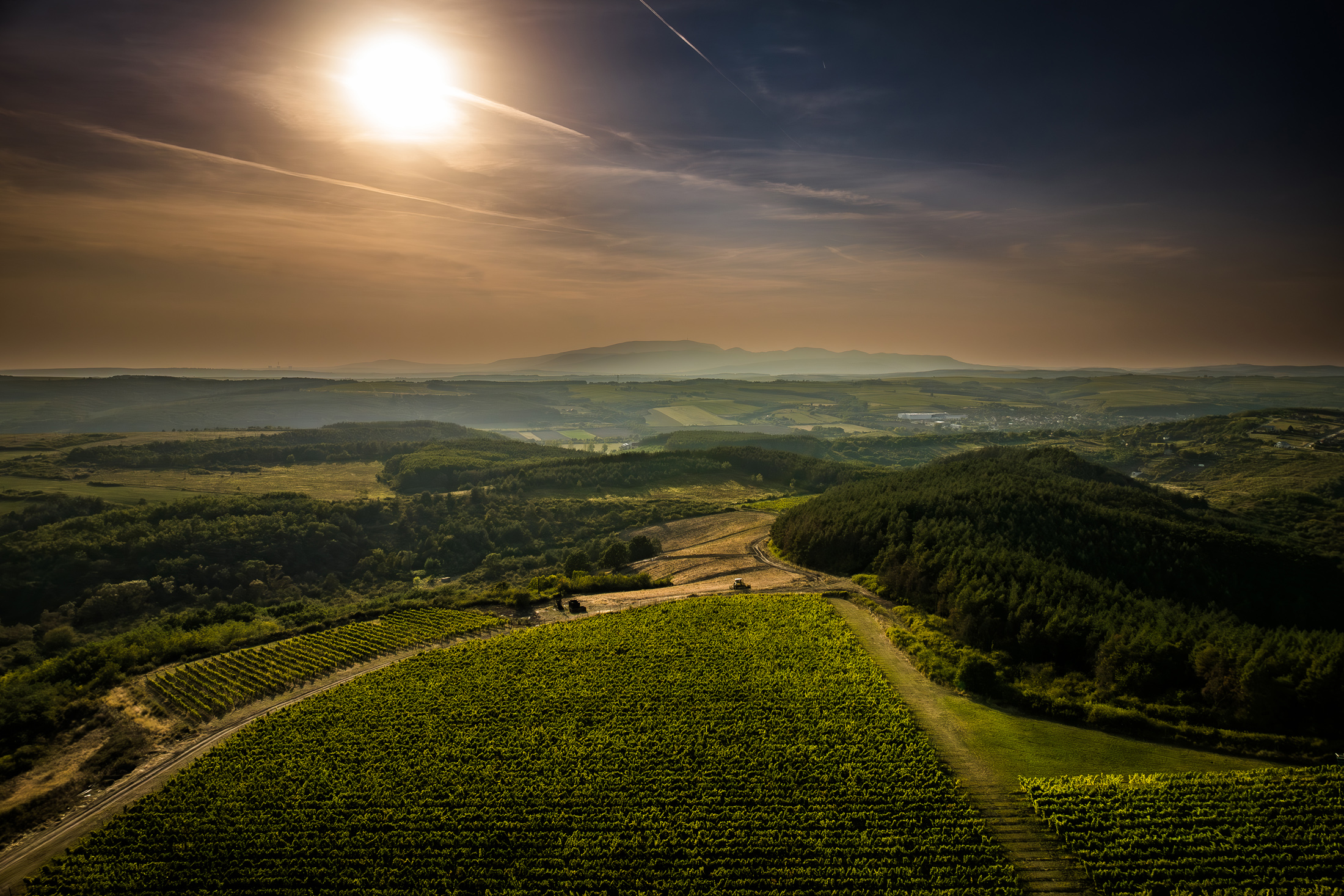
While the Balaton and Danube wine regions show some degree of integration, this is not at all the case in the Upper Hungary region. The Bükk, Eger and Mátra wine districts belong to this region, with a total of approximately 12,000 hectares of vineyards, with the latter two accounting for 95% of this. Moreover, the three wine districts are following three completely different paths: Eger is increasingly focusing on high quality, combining this with sophisticated protection of origin, and has one strong (Egri Csillag) brand and one very strong (Egri Bikavér) brand, as well as wines that are already making waves internationally. The Mátra district has two faces: on the one hand, the strongholds that grew out of large-scale production still live on, while on the other, dozens of artisan wineries are also successfully exploring its terroir. And finally, there is Bükk, which has not achieved much as a wine district in recent decades. With a shrinking vineyard area, it mainly functions as a grape supplier, and only a few dedicated producers are making wines with labels bearing its name.
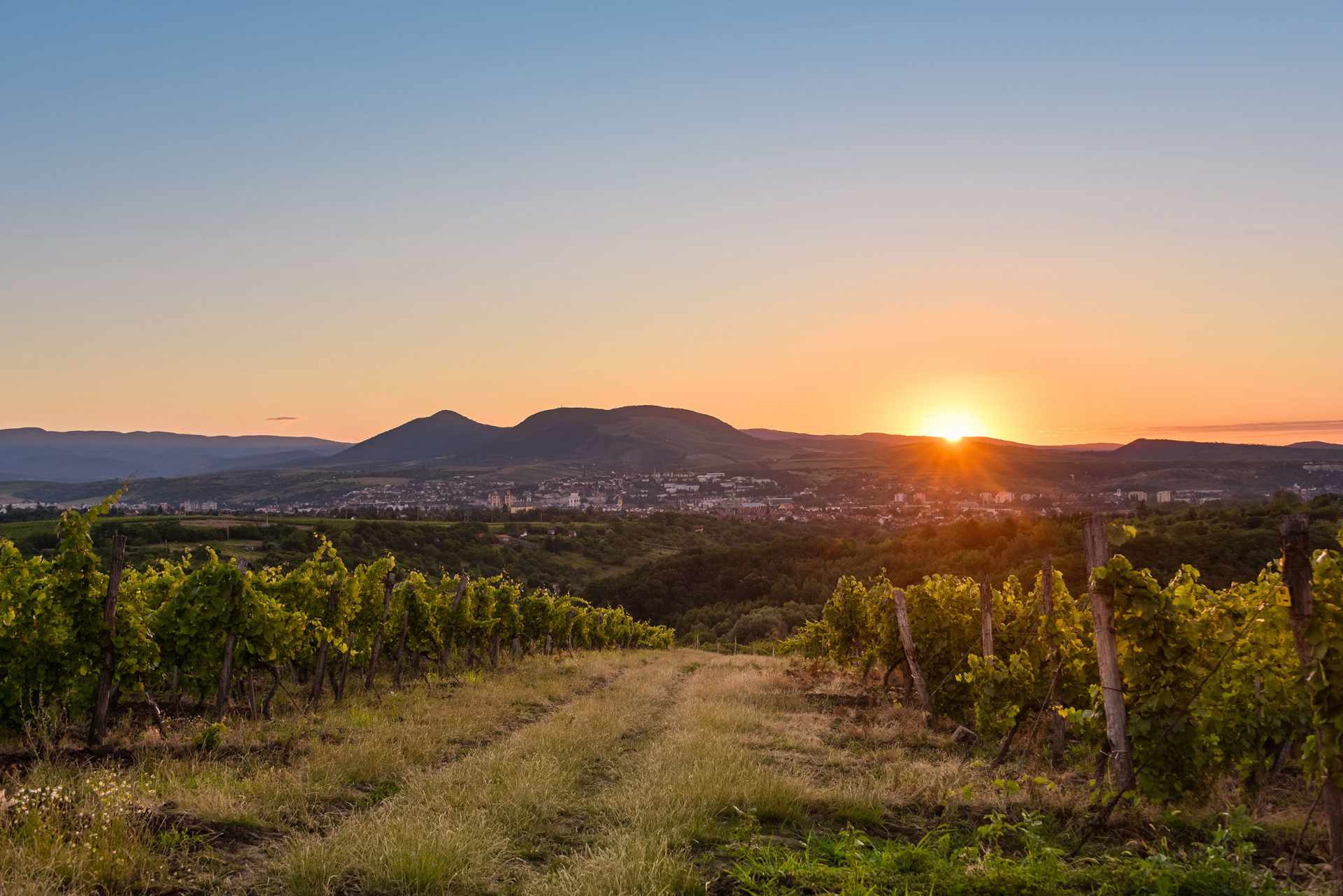
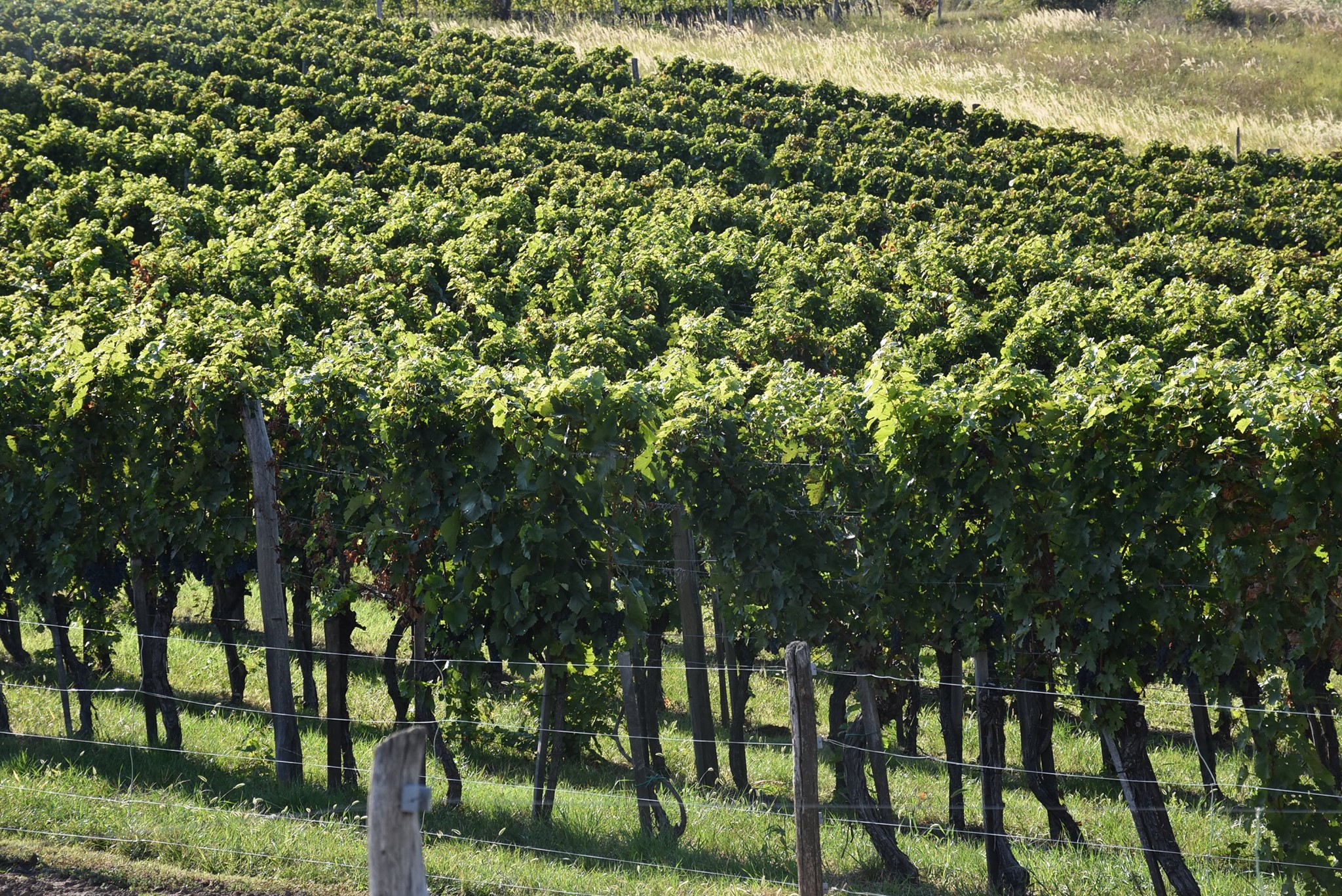
This region is, however, perhaps the most climatically uniform: it lies in the Északi-középhegység (Northern Hungarian Mountains), where viticulture is mainly practiced on south-facing slopes. The mountains protect it from cold winds, while the high-altitude vineyards cool down more at night during the summer heat than elsewhere, allowing grapes to retain vibrant acidity. One vineyard in particular deserves a special mention: Nagy-Eged, located on the outskirts of Eger. It is unique not only because, at an altitude of 500 meters, it is Hungary’s highest vineyard (actually two vineyards), but also because its limestone bedrock stands out from the surrounding volcanic mass.
The three wine districts also vary in terms of soil. Eger is mostly volcanic tuff, Mátra is also volcanic, but mostly on andesite bases, while Bükk is basically a mixture of limestone and volcanic soils. However, what they all have in common is that they provide perfect conditions for wine production.
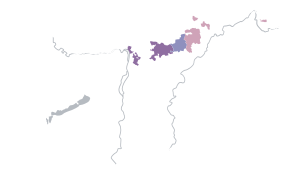
Winery districts of the region

























































































































































































































































Events
Domestic and international wine programs