English
  Magyar

Zefír

History
The variety is officially recorded as a crossing of Hárslevelű and Leányka, created in 1951 by Ferenc Király. However, some sources question the two parents. It became an authorised variety in May 1983.

Where its grown

What its wine tastes like
Wine & food pairing

There were still 50 hectares of the variety registered across the country in 2010, while there are only 10 hectares now, most of which can be found in the Etyek-Buda, Eger, Mátra and Sopron wine districts. The variety is not found elsewhere..
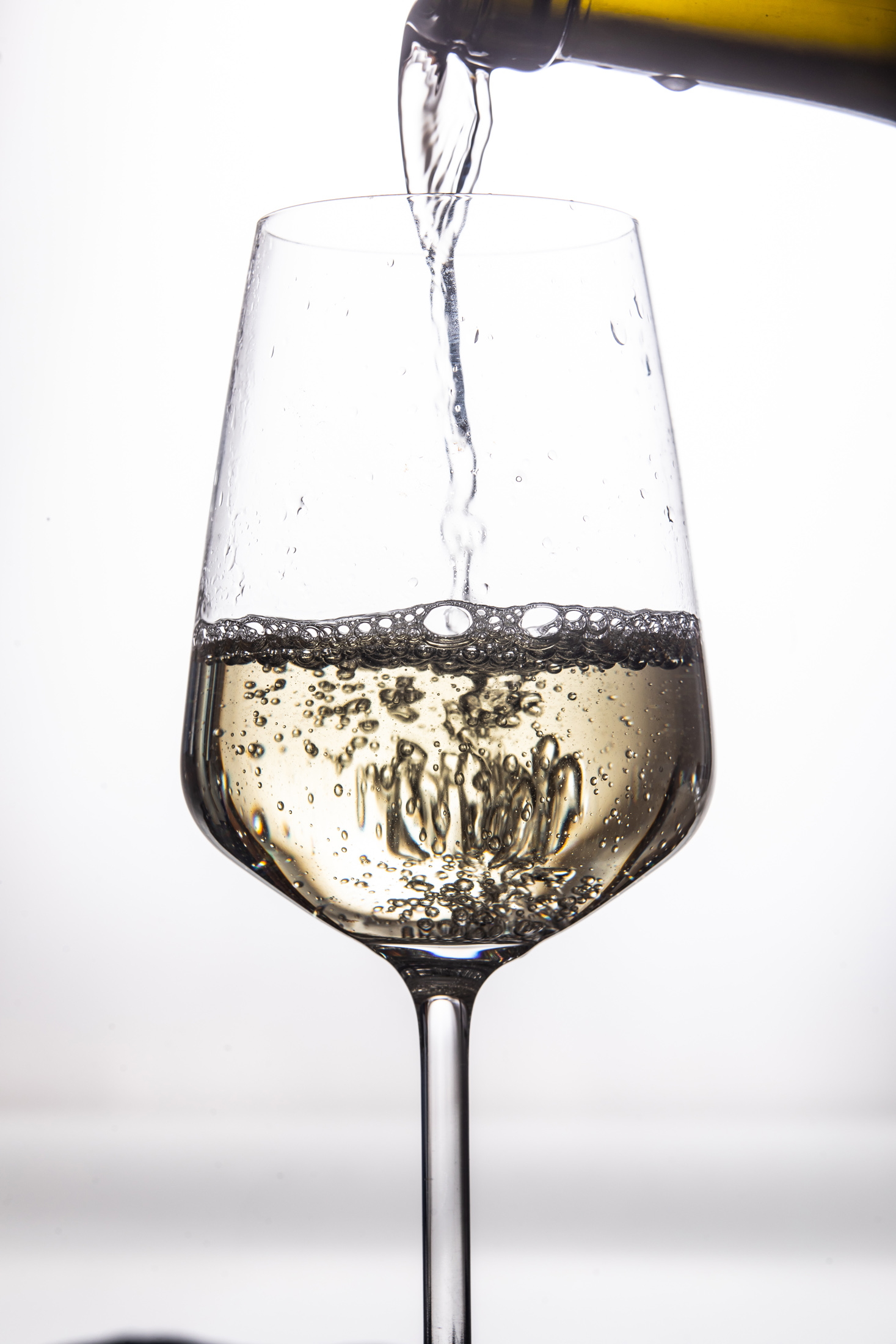
It is found mainly in blends. On its own, depending on the winemaking, it tends to have low alcohol, high acidity and a light body, and is intended for early consumption. For the most part, Zefír’s aromatics are characterised by delicate floral, citrus, grapefruit and Muscat notes.
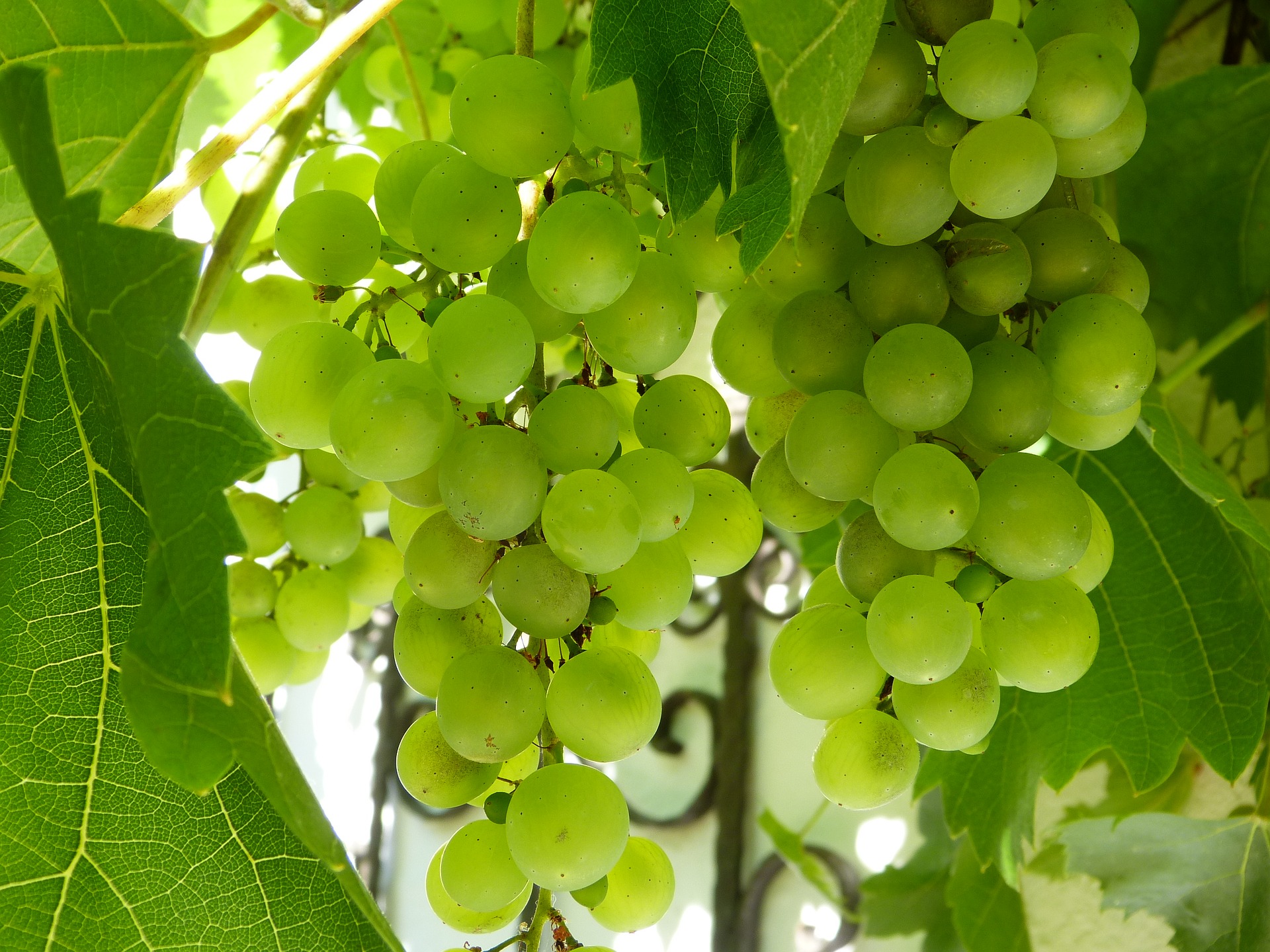
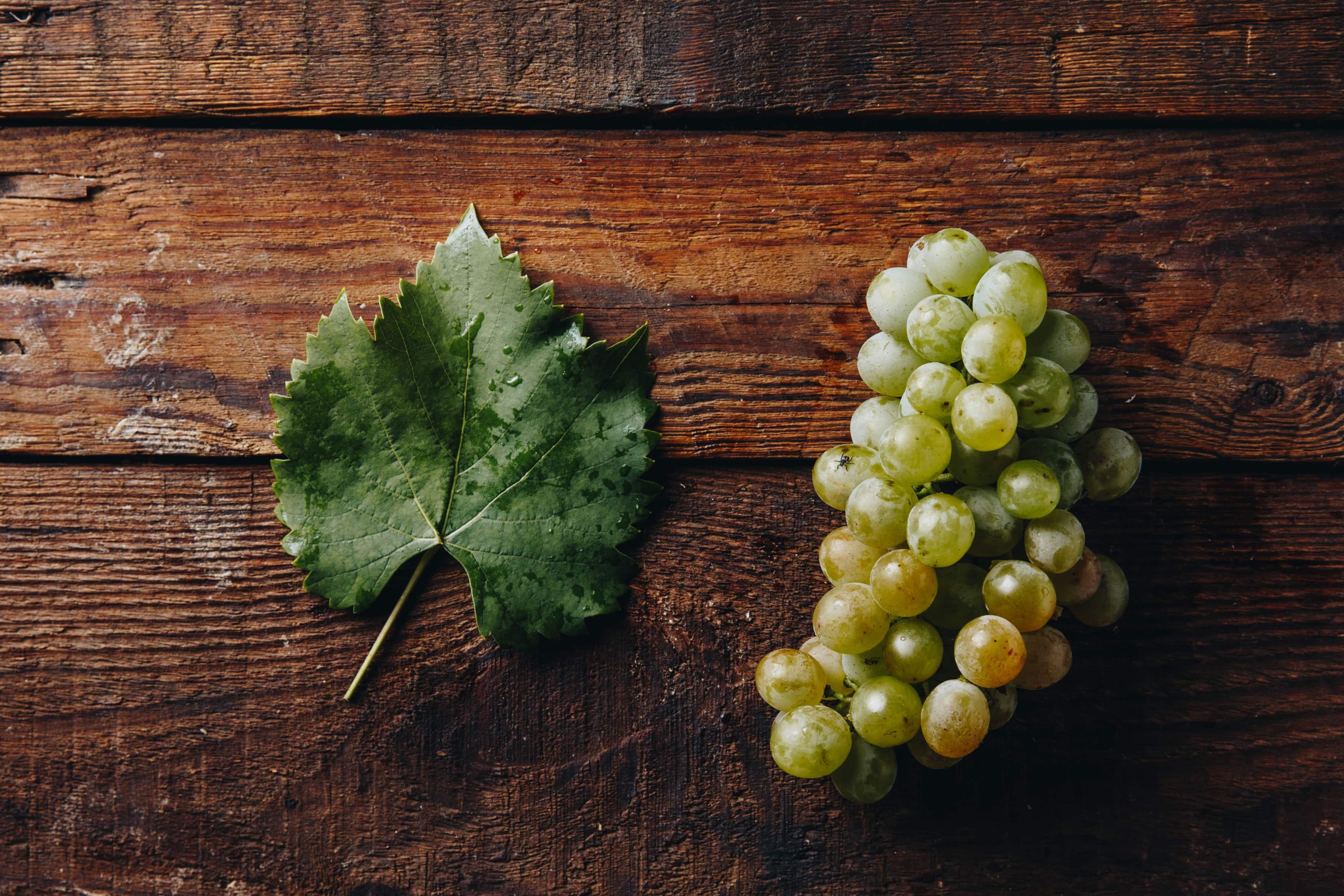
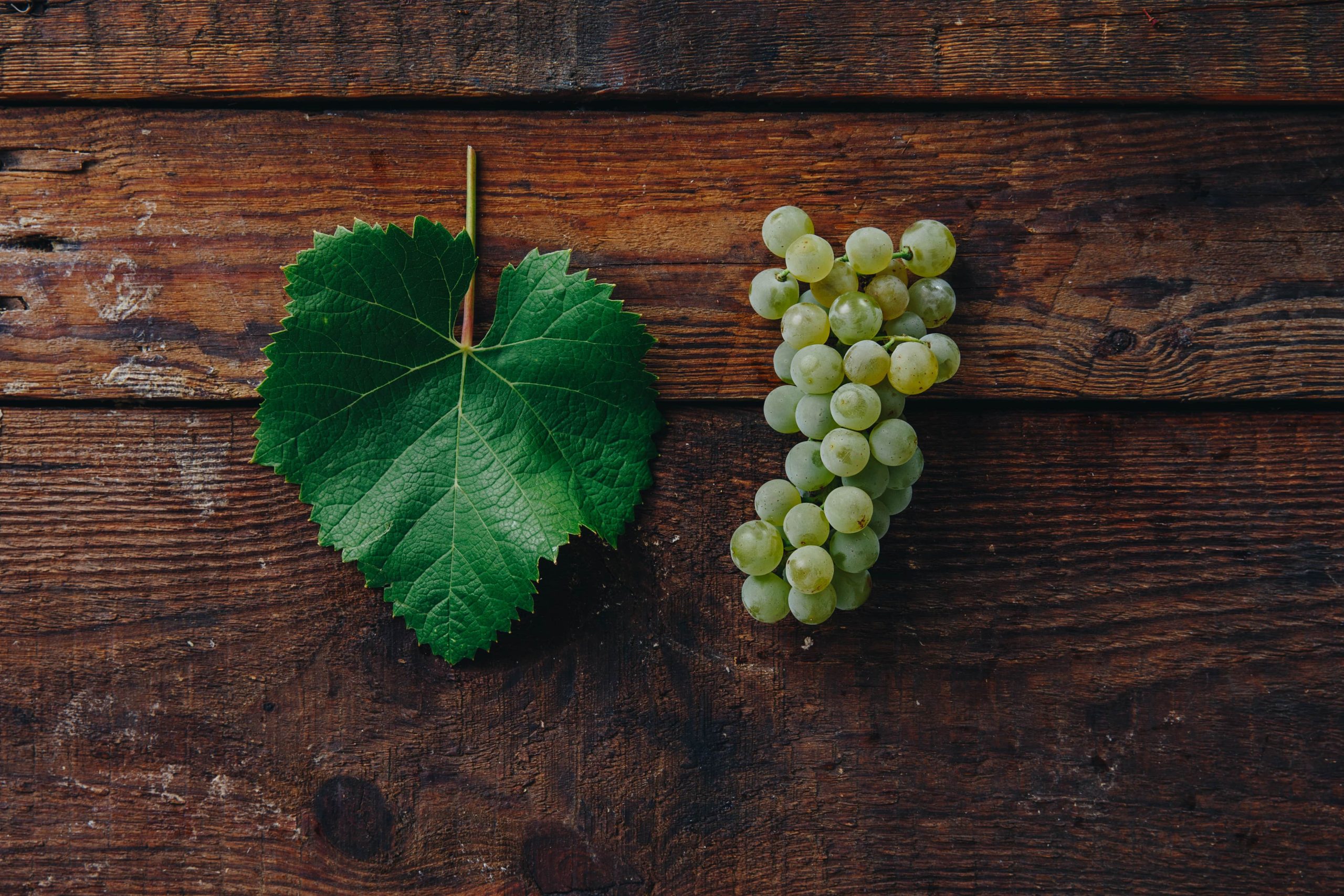
Zefír grape bunch and leaf
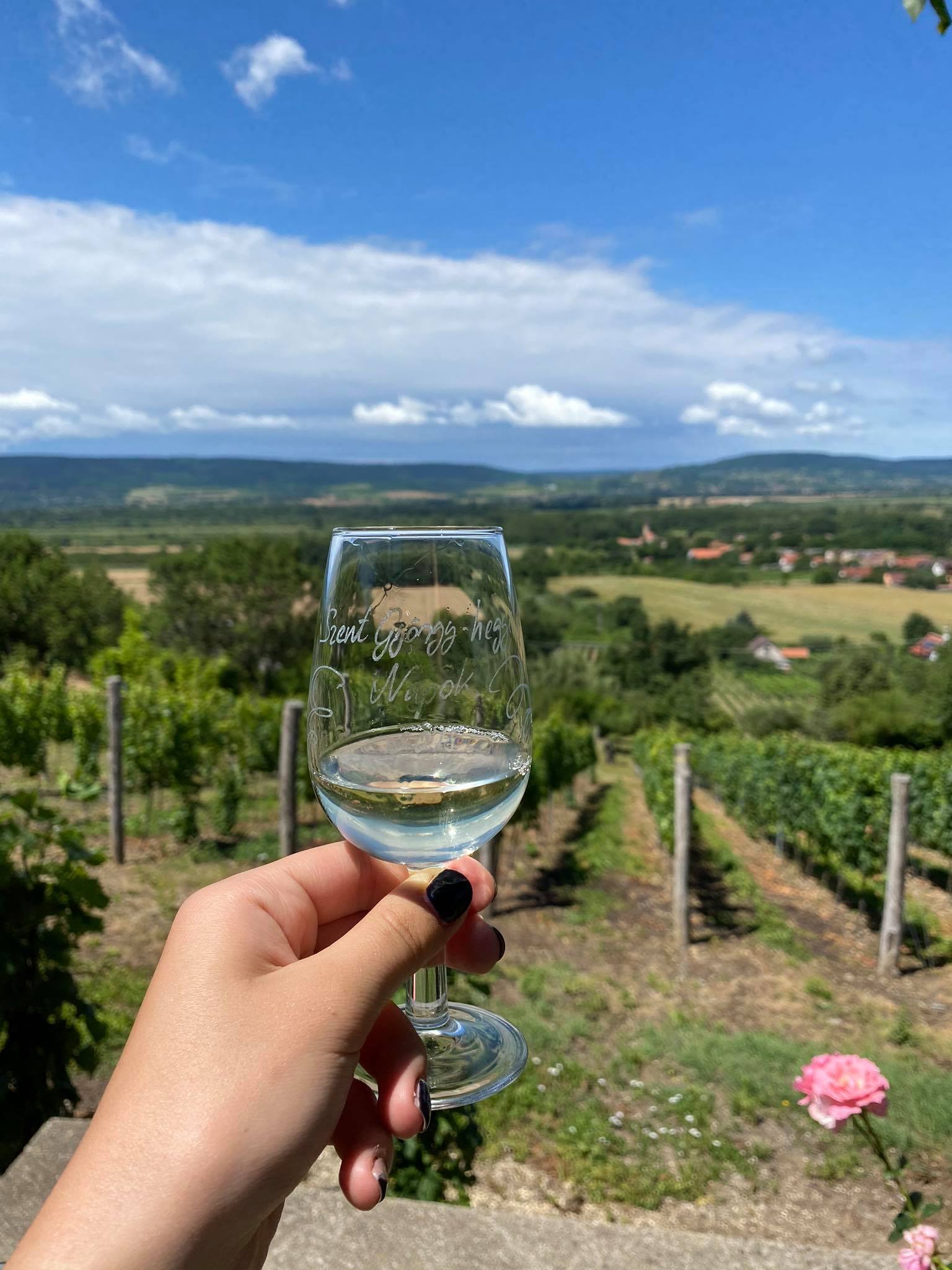
Zefír is a rare variety that is only cultivated on 10 hectares in Hungary. It is generally used in blends, so not often found as a monovarietal. It has relatively restrained aromas, lively acidity and low alcohol. Its citrus and floral notes make it more of a summer wine. It pairs well with salads, vegetable dishes, stewed vegetables, light, young cheeses and creamy meat dishes. While if it has a little residual sugar, it is also delicious with fruit salads and Asian noodle dishes. Choose the latest vintage to enjoy its freshness at its best. Always store in a cool place, away from direct sunlight and heat, to best preserve its aromas. Serve straight from the fridge at about 8-10°C in a tulip-shaped white wine glass.
Ingredients that best match the flavour and texture of wines made from Zefír include lettuce, citrus fruit, white-fleshed fruit, young, light goat and cow’s cheeses, fresh herbs, poultry, white fish and light pork dishes. For example, it pairs well with Vietnamese summer rolls, falafel in warm pita bread or a pizza Hawaii. It is particularly delicious with delicately spiced cream soups or fresh spring vegetable soups.